
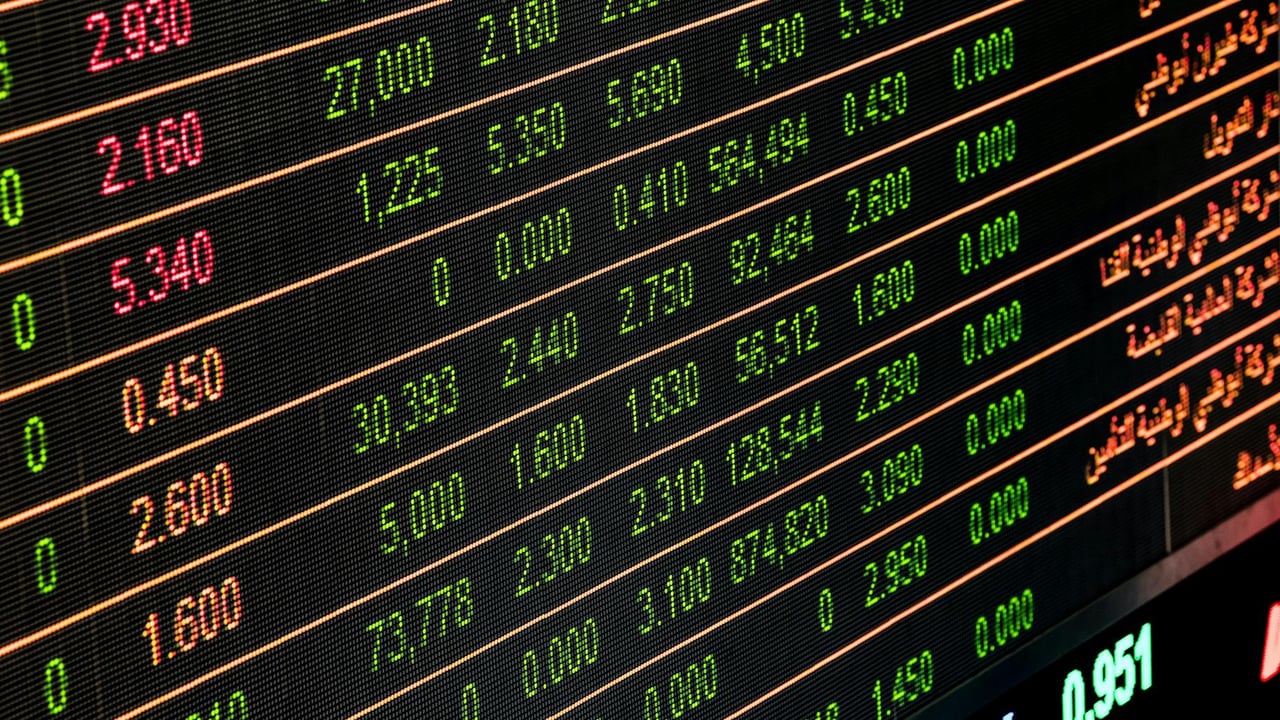

On 5 March 2026 South Korea's stock market operator briefly suspended programmatic, or algorithmic, trading on the KOSPI mainboard as prices moved sharply. The interruption was short-lived but dramatic enough to draw attention across Asian trading floors and on global investor screens.
Programmatic trading uses rules-based algorithms and high-frequency systems to route orders without human intervention. Exchanges sometimes pause such activity when automated flows amplify disorderly price moves, or when surveillance systems detect anomalies; the stated aim is to protect orderly price discovery and limit cascading trades that can drain liquidity.
The halt came amid acute intraday swings in KOSPI-linked instruments and futures, which market participants say can be exacerbated by concentrated algorithmic order flows. A temporary suspension removes a key source of immediate liquidity even as it tampers down the speed of market moves, creating a short-run trade-off between stability and market depth.
For South Korea, a major regional trading hub with substantial foreign participation, the intervention has several implications. In the near term it lowers the risk of runaway flash events but also highlights vulnerabilities in markets that have become increasingly automated. Longer term it is likely to prompt renewed scrutiny of execution rules, quote-traffic limits and coordination between the exchange, regulators and large market-makers.
Similar interventions have become a tool of choice across advanced markets when volatility flares. That common practice reflects a broader regulatory tension: how to preserve the efficiency gains of algorithmic trading without allowing speed and automation to undermine confidence when liquidity dries up.
Investors and asset managers will be watching for a fuller accounting from the exchange and any follow-up measures. If the pause is followed by rule changes — for example tighter pre-trade risk controls, throttles on order message rates, or altered circuit-breaker thresholds — it could reshape intraday behaviour and execution strategies in Korea and ripple into correlated Asian markets.
For now the suspension serves as a reminder that technological progress in trading brings new operational risks. Authorities face the task of balancing innovation with resilient market design, and market participants must reassess how automated systems behave under stress.