

When strikes between Israel, the United States and Iran spilled beyond battlefields into the Gulf at the end of February, thousands of Chinese expatriates — engineers, entrepreneurs and corporate secondees — found themselves testing the robustness of foreign governments and their own contingency plans.
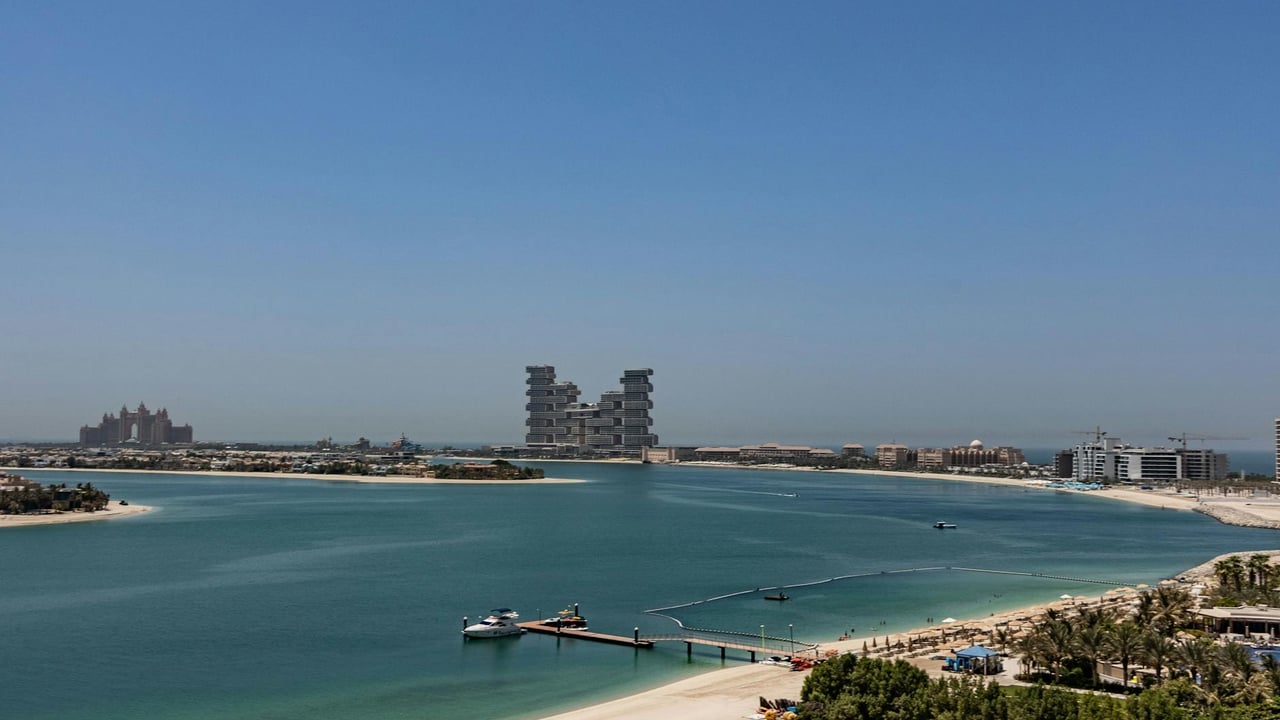
In Dubai and Bahrain the shock was immediate and visceral. An Guo, a former Huawei expatriate now working in Dubai, describes seeing missiles intercepted overhead as debris struck a Palm Jumeirah hotel; in Bahrain a 30-year-old engineer known as Tim watched a missile fall roughly 12 kilometres from the US Fifth Fleet headquarters and sought refuge in a shopping-centre shelter as the sky erupted.
The helplessness of being stranded collided with resourcefulness. Chinese residents formed evacuation and information groups, entrepreneurs such as the broadcaster-turned-founder who goes by "Duanduan" organised WhatsApp-style channels with flight and overland-route intelligence, and some sought seats on still-operating flights out of Oman and Saudi Arabia. China’s embassies in Tehran and other capitals coordinated mass repatriation efforts that have moved thousands over recent months, including several hundred since this flare-up.
The episode matters because the Middle East is no longer a peripheral market for China; it is central. Chinese goods exports to the region rose 10.2% in the first half of 2025, taking the Middle East’s share of China’s exports to 8% — the highest in a decade. Dubai, a hub for Chinese business and leisure visitors, received nearly 19.6 million overnight tourists in 2025, while the UAE has tripled the tourism sector’s share of GDP since 2021.
That economic entanglement turned the conflict into a stress-test for host governments. Emirati authorities ordered hotels to extend stays for stranded visitors — with the state picking up part of the bill — and supermarkets and logistics chains that closed briefly reopened under local direction. For many Chinese residents these measures, alongside visible order on the streets, reduced panic and kept supplies and utilities running.
The human responses were split. Some expatriates hardened their commitment: entrepreneurs who have invested in property or factories said the crisis had not altered their long-term plans, citing lower industrial costs in markets such as Iran and durable local relationships. Others rushed to reroute flights or drive across borders, revealing how fragile short-term mobility can be when airspace closes.
Commercial consequences are already apparent. Regional aviation and shipping paused, delaying cargo and raising operational costs. The event underscores a broader commercial dilemma: higher fiscal and insurance costs, interrupted logistics and rising geopolitical risk will force Chinese firms to build more flexible, multi-hub supply chains and to factor crisis-response into investment decisions.
Strategically the episode is a crucible. If Gulf states continue to demonstrate crisis-management capability — maintaining supplies, paying for stranded tourists, and keeping key services running — they may convert instability into a credibility dividend that attracts businesses seeking reliable regional hubs. If the conflict widens, however, the immediate costs to trade, insurance and foreign investment could be severe, prompting a reassessment of how and where Chinese firms "go abroad."
For now, the dominant lesson among China’s expatriates is practical rather than ideological: there is no ideal safe haven. Firms and individuals will need more complex, resilient operating models, better contingency planning and a sober appraisal of geopolitical risk if they are to make the Middle East a long-term part of China’s overseas portfolio.