
Technology & AI News
Latest technology & ai news and updates
Western AI Startups Turn to Chinese Open-Weight Models for Core Systems
Leading US and UK firms are fine-tuning on bases like Kimi and DeepSeek to power legal, coding, and frontier tools.
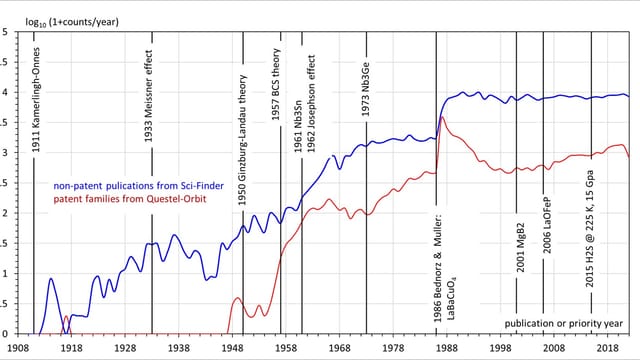
Chinese Researchers Develop Iron-Based Substrate for Superconducting Tapes
A new iron-based structural alloy cuts raw material costs by 75 percent while improving the mechanical strength of second-generation HTS tapes.
China AI Compute Demand Surges as Global Supply Deficit Widens, Report Finds
A joint study by IDC and Inspur Information projects China's compute capacity will exceed 10,000 EFLOPS by 2030 as agentic AI accelerates consumption.

Yang Liwei Praises Shenzhou-23 Crew as China Highlights Space Station Expansion
China's first astronaut highlights living space gains and mission progress during a State Council briefing in Beijing.
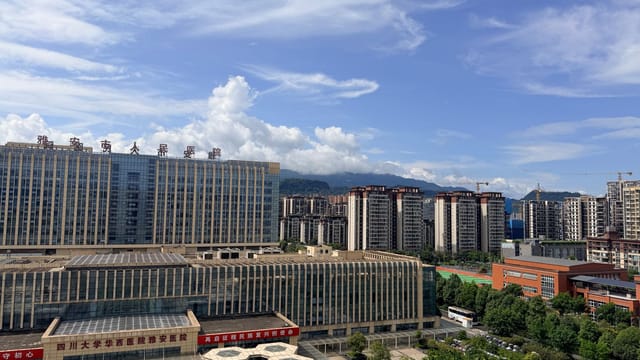
Sichuan Agricultural University and Dekang Launch Swine Industry AI Platform
The joint initiative aims to deploy foundation models and intelligent agents across breeding, feeding, and slaughtering operations.
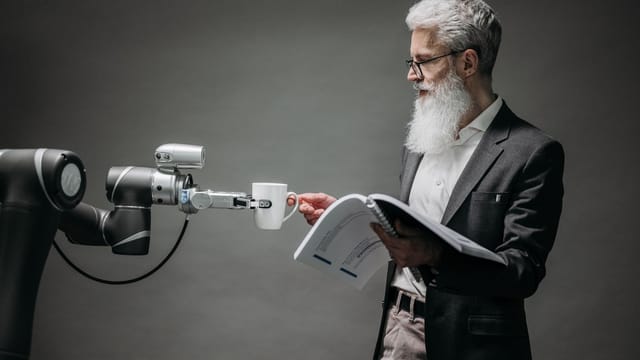
China Media Group Unveils Offline AI Workstation for State Workers
People's Daily Online and Huaqing launch a localized desktop AI device to bypass cloud data leak risks in government drafting.
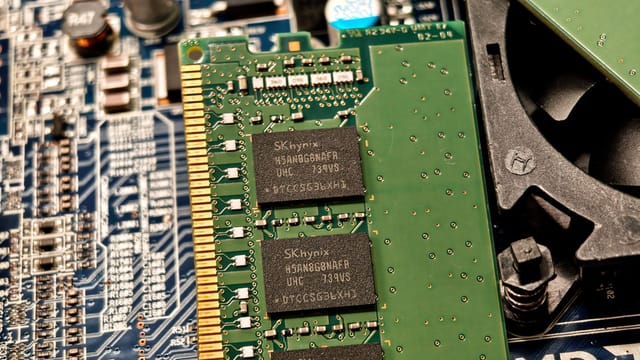
China Upgrades Edge Computing Infrastructure to Bolster AI Deployment
Industrial operators in Shanghai coordinate proprietary hardware and software to support low-latency artificial intelligence workloads.
AI² Robotics Deploys Bartending Robot at Hong Kong Nightlife Hub
Shenzhen-based startup tests its brain-inspired embodied AI model in Lan Kwai Fong's dynamic commercial environment.
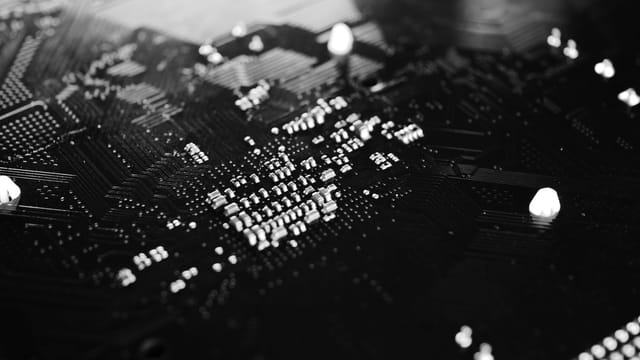
China's UniVista Unveils Agentic EDA Tools and 3D Chip Design Matrix
The Shanghai-based EDA developer launched AI agent suites and a native 3D physical design platform aimed at domestic advanced processes.
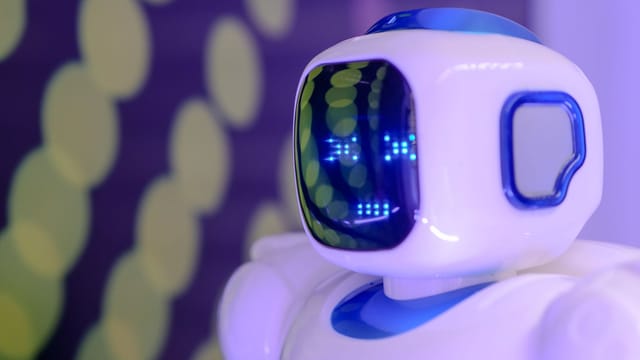
China Unveils World Organization for Science Literacy in Beijing
Backed by China's science association, the 32-member international body aims to address AI governance and public understanding.

Wuhan Startup Ships Gen 6 Inkjet Equipment for Printed OLED Production
Wuhan Guochuangke delivers full-size Gen 6 display printing equipment and targets Gen 8.6 industrial machines by year-end.

China Approves Plant-Derived Recombinant Albumin Produced from Rice
Developed by Wuhan University researchers, the bio-manufactured drug offers an alternative to plasma-derived therapies.