
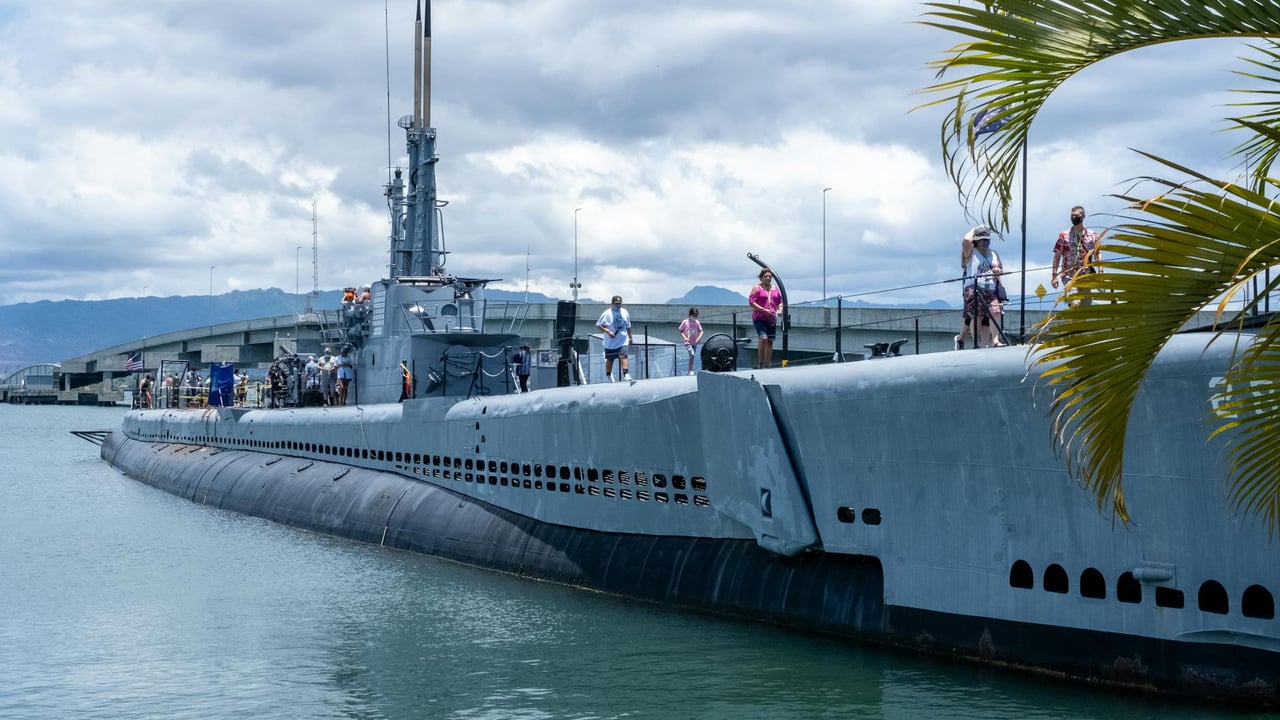

Phoenix Military ran a commentary by veteran observer Bai Mengchen alleging that a US nuclear submarine fired torpedoes on the high seas and sank the Iranian frigate Dena, then did not render assistance to survivors. The piece frames the attack as a breach of long-standing maritime customs and the basic rules of engagement, arguing the United States acted without a declaration of war and in defiance of accepted rescue obligations.
Bai casts the incident as symptomatic of a wider American posture that rejects constraints on the conduct of war. The commentator cites a recent public statement — rendered in the piece as a declaration that the US will no longer observe “stupid rules of engagement” and will fight to win without political correctness — and treats the submarine strike as a practical embodiment of that posture.
The article places the episode in a legal and historical frame, invoking the Paris Declaration of 1856 that abolished privateering and modern obligations to render assistance at sea. It also recalls the 2000 bombing of USS Cole — used here as a cautionary parallel — to argue that violations of maritime norms can rebound unpredictably and generate political shockwaves when roles are reversed.
Beyond law and history, the commentary makes a strategic claim: when a dominant power openly flouts maritime rules, it undermines the protections those rules provide for all navies, including the powerful state itself. Bai warns that if states abandon established rules of engagement and rescue customs, naval warfare risks descending into a cycle of asymmetric reprisals and opportunistic attacks on single-ship deployments.
The piece further criticizes long-standing US practices of using presidentially authorised “conflicts” rather than formal declarations of war, suggesting this executive-led posture facilitates operational choices that evade broader political and legal scrutiny. That critique is linked to the broader charge of American exceptionalism and double standards on the enforcement of international norms.
For international readers, the core dispute is partly factual and partly normative: whether the strike occurred as described and whether, even if it did, the conduct represented a novel transgression or a continuation of a trend. The immediate diplomatic consequences could include intensification of Iranian asymmetric responses, stress on global shipping in contested waterways, and renewed debate among allies and international institutions about how to deter norm erosion at sea.