
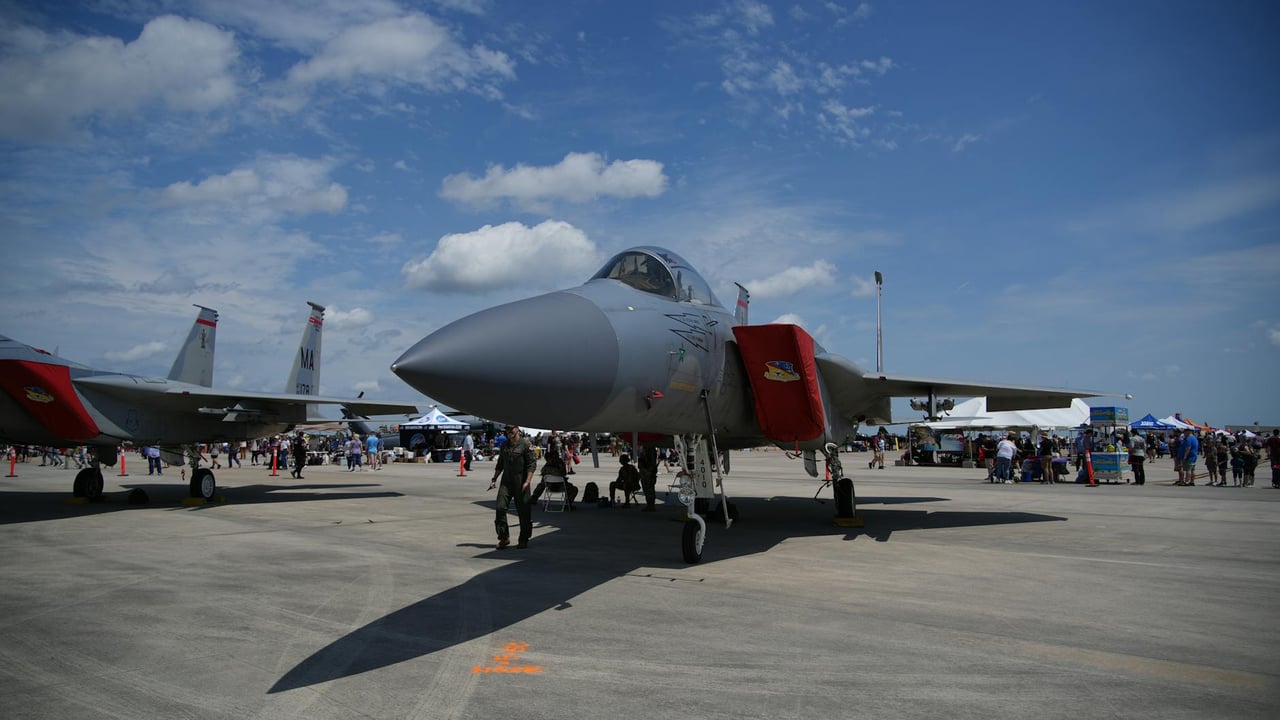

In the hours after a large-scale U.S. airstrike on Iran on February 28, three U.S. Air Force F-15E Strike Eagles crashed over Kuwaiti airspace in an episode that has exposed glaring gaps in coalition air-defence coordination. Washington's Central Command described the losses as the result of a suspected friendly-fire incident by Kuwaiti air-defence systems, while Tehran claimed at least one fighter had been shot down by Iranian air defences. Local videos and images circulating online showed crews ejecting and at least six personnel surviving, underscoring the human luck in an otherwise alarming tactical failure.
The physical cause of the shootdowns remains contested. Open-source analysts and veteran defence commentators argue the strikes are more consistent with infrared-guided short-range interceptors — such as missiles launched by NASAMS or other point-defence batteries — rather than long-range, radar-guided Patriot interceptors. Observers point to damage patterns in the footage, including the loss of a vertical stabiliser, and the F-15E’s lack of certain infrared missile-warning sensors that could have provided early warning to aircrew.
Technical and command-and-control factors appear central to the incident. Modern allied air-defence systems rely on integrated identification‑friend‑or‑foe codes, robust data-links and centralized IFF management to prevent fratricide. Yet experts cited in reportage have stressed that such protections can fail if codes are outdated, networks are not fully synchronized, or if operators are overwhelmed during dense, multi-axis engagements — precisely the conditions present as Kuwaiti and U.S. forces attempted to repel Iranian aircraft, missiles and drones.
Washington has also suggested electronic interference as a possible complicating factor, with Pentagon sources indicating Iranian jamming was active in the theatre. While Iranian jamming systems were reportedly operating considerably south of the shootdown site, jamming can be localized, intermittent and highly disruptive to friend-or-foe identification, particularly when layered against the fog of kinetic exchanges.
The incident fits an uneasy historical pattern. Western air forces have repeatedly lost aircraft to friendly fire when identification systems broke down under stress — from coalition losses in 2003 to recent mishaps at sea and in other Middle Eastern skirmishes. Those precedents show that even with advanced hardware, human and systems integration errors can cascade into catastrophic outcomes when command arrangements, training and technical interoperability are imperfect.
Beyond the immediate tactical questions is the strategic fallout. The U.S. has suffered what it calls its first serious combat losses since the February strike campaign, eroding part of the operational narrative of superior command-and-control and potentially straining military cooperation with Gulf partners. Kuwait’s admission that its air-defences engaged U.S. aircraft will force a sensitive, bilateral reckoning about who fired what, when and why — and whether existing protocols for deconfliction and IFF updates are adequate for high-tempo operations.
Politically, the episode complicates deterrence and escalation management. Tehran will trumpet the claims that it downed U.S. aircraft even as Washington blames friendly fire — each side can use the ambiguity to shape domestic and international messaging. For regional partners, the risk is twofold: involuntary escalation after a misidentification, and a loss of confidence in allied air-defence interoperability that could limit coalition willingness to conduct joint air campaigns in future crises.
Investigations are likely to be protracted, technical and diplomatically sensitive. A full accounting will require munition forensics, radar and communications logs, IFF interrogation transcripts and post‑strike interviews with operators on the ground. The findings will matter not only for assigning responsibility and possible reparations, but for immediate tactical fixes: software updates, revised engagement rules, additional training, and perhaps a re-evaluation of which platforms operate in the same airspace during dense counter‑air operations.
For global audiences and policymakers, the episode is a reminder that modern air warfare is as much about software, secure networks and human systems integration as it is about aircraft and missiles. The spectacle of three Western fighters downed in friendly-defence engagements should prompt a sober reassessment of how coalitions share identification data, manage electronic warfare, and structure command relationships under stress.