
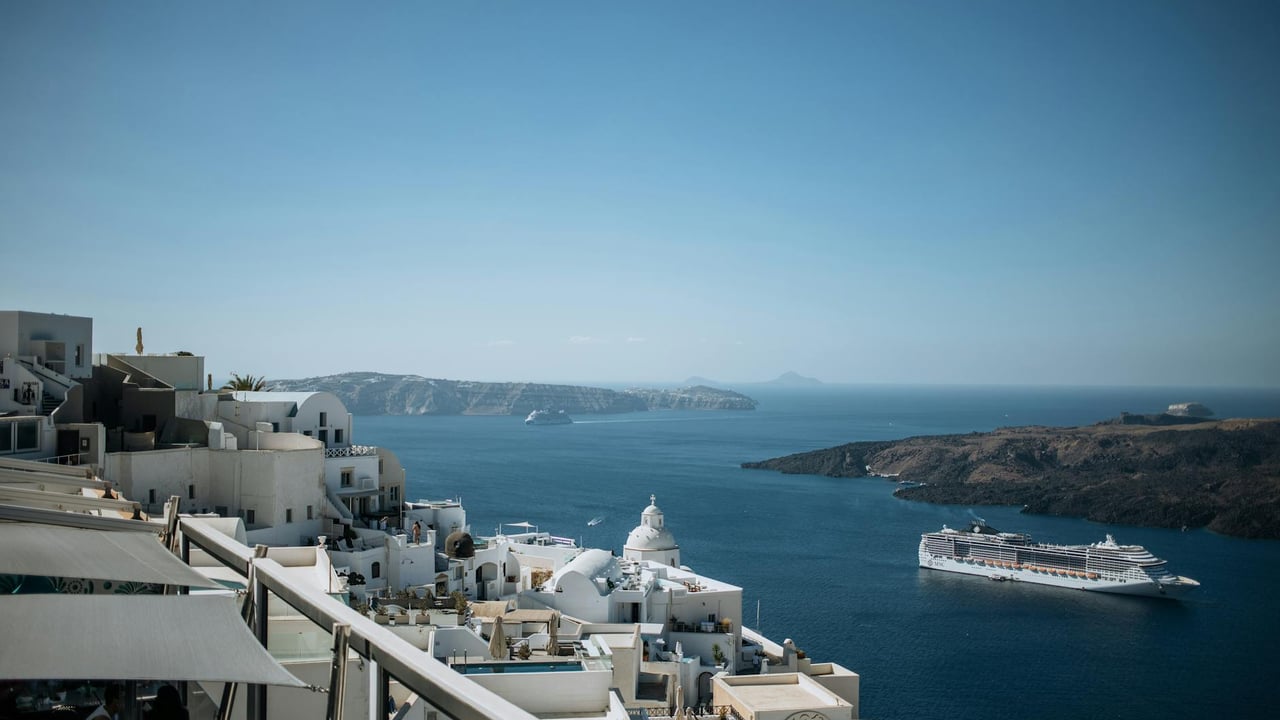

Wang Yan thought she was beginning an eight-day holiday when she boarded an MSC cruise in Dubai on the afternoon of February 28. Within hours she and more than 5,000 other passengers were told the ship would not depart: strikes and counterstrikes across the Gulf had prompted Emirati authorities to close airspace and suspend flights, and the cruise would remain at Ras Al Khor port "until further notice."
The scene aboard the 331-metre, 19-deck vessel was curiously ordinary. Crew continued daily services: cabins were cleaned, buffets stayed open and entertainment went on. Yet the mood among the ship’s mostly older Chinese tourists — many travelling in groups and some travelling solo — flipped from sightseeing to anxiety as push alerts warned of attacks on civilian infrastructure and pilots and air-raid sirens cut through the night.
Passengers described a dissonant sense of normality. From the deck the Dubai skyline looked calm; inside, leaders of Chinese tour groups set up messaging channels so people could share updates and reassure worried relatives. Local radio and shipboard announcements amplified official bulletins, while travel agents and tour-leaders coordinated with the cruise line and consular officials to track flights and plan repatriation.
The disruption was not confined to one cruise. British shipbroker Clarkson estimated about 3,200 vessels were effectively stuck in and around the Gulf, from passenger ships to tankers and container vessels, with several other cruise ships anchored at ports in Dubai, Abu Dhabi and Doha. The Strait of Hormuz — already a strategic chokepoint — is effectively without an easy alternative route; when it is closed or dangerous, ships can only wait.
The operational and human consequences were immediate. MSC Cruises announced refunds for passengers who had purchased full itineraries and pledged to accommodate them aboard until flights were available. Some travellers scrambled for alternate paths home, paying extra to reroute through Oman or Southeast Asia; others waited as airlines resumed limited flights and the first repatriation flights to China departed Dubai on March 4.
Chinese travel agencies and tour leaders on the ground organised ad hoc emergency teams, liaising with ship operators and consulates to prioritise older passengers and those with medical needs. In one case the cruise line temporarily opened paid onboard internet for free so people could contact loved ones. The experience highlighted the logistical challenge of repatriating largely retired Chinese tourists who had booked direct routes home or lacked third-country visas.
At the strategic level, the episode is a reminder that a regional escalation can ripple quickly into global commerce and tourism. Beyond the immediate humanitarian and operational strains, shipping insurance premiums and route choices are changing: several cruise operators have already shelved Middle East itineraries for the coming winter season, and commercial fleets face rerouting costs and delays that will feed into global supply chains.
Official tallies underline the scale of the strikes: the UAE reported detecting scores of ballistic missiles and hundreds of drones during the attacks, with a limited number of casualties and damage to civilian infrastructure. For passengers aboard ship the most consequential fact was practical — flights suspended, airports closed, and no firm timeline for safe departure.
For the thousands involved, the crisis produced small, human dramas — a passenger singing a Chinese song from the deck and breaking into a communal cry of homesickness, groups passing playing cards to ease anxiety, and crews attempting to keep daily routines intact. As flights resumed sporadically and some travellers began to fly home, the episode left an enduring question for the cruise industry and governments alike: how to secure civilians and commerce when geopolitics turns a vital sea lane into a front line.