
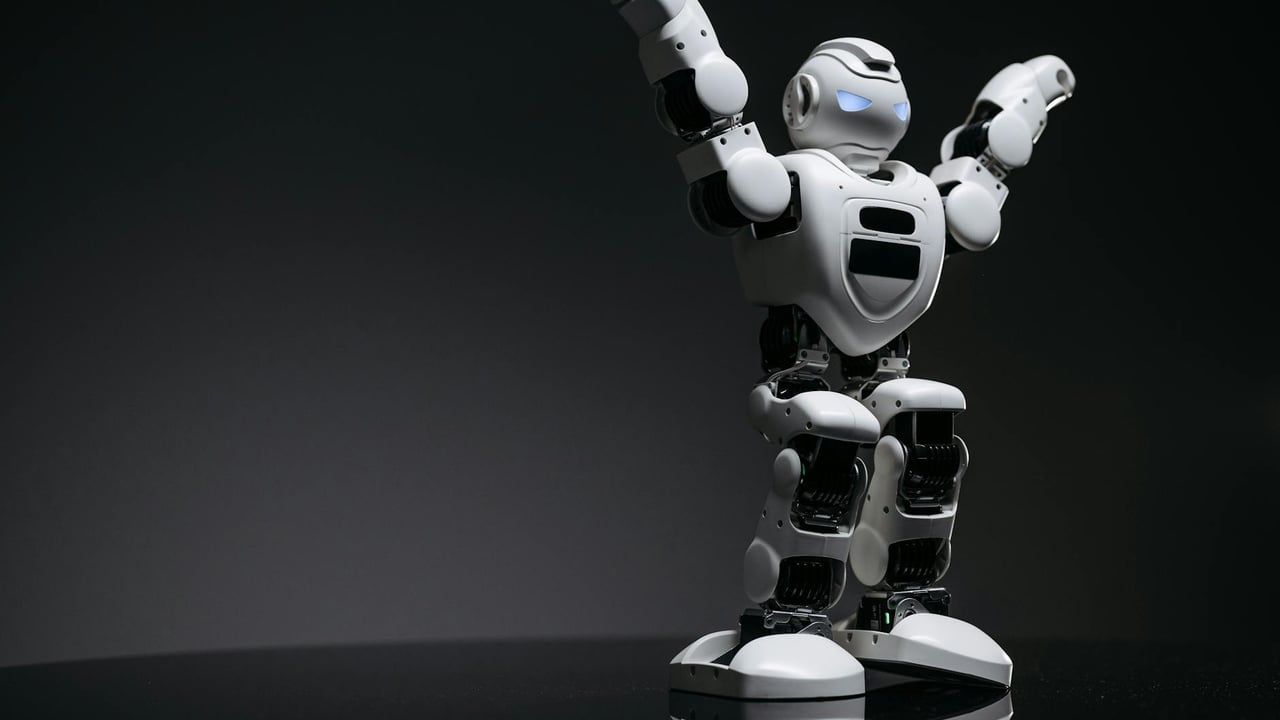

BMW has begun trials of humanoid robots on its Leipzig production line, assigning them to the exacting task of assembling high-voltage battery packs. The humanoids are AEON models supplied by Sweden’s Hexagon, but a critical end‑effector — the AG-series electric gripper that performs the tactile work — comes from Chinese supplier Dahuan. That component, designed with an enveloping adaptive grip, can change its grasping strategy according to part shape and size, a capability central to upgrading robots from simple material handling to genuine assembly work.
The choice of motorised grippers matters because the end‑effector is the interface between a robot’s control system and the messy, unforgiving reality of an assembly line. Battery pack assembly is among the most demanding industrial tasks for precision, cleanliness and variability; success in Leipzig would give BMW confidence to roll the technology out to its global factories. BMW has said it will deploy humanoids more widely if the trial is successful, turning this pilot into a possible inflection point for industrial humanoid adoption.
Dahuan’s presence in a top‑tier German factory is emblematic of a wider shift. Chinese component makers and robot integrators have been building international partnerships and landing European customers: Dahuan has formal ties with Ningbo Huaxiang and supply links to domestic robot makers, while other Chinese robotics firms have begun European projects with suppliers such as Minth. More than 20 major carmakers are now planning industrial deployments of humanoid robots, including Tesla, Hyundai and a host of Chinese OEMs, signalling that 2026 could be the year the technology moves from demonstration into scale‑up.
Technically, the industry’s current bottlenecks remain perception, control precision, reliability and cost. Electric adaptive grippers like Dahuan’s address part of that puzzle by providing reliable, repeatable contact and force control without bespoke tooling for every part. But real factory validation delivers something laboratories cannot: rich operational data and corner‑case experiences that accelerate software, sensor and mechanical refinement. For a component maker, a successful run in a BMW plant also confers a marketing and credibility premium that can unlock further contracts.
Strategically, the deployment highlights two competing dynamics. On one hand it confirms that global automakers will source best‑of‑breed components across borders as they chase faster automation and EV production goals. On the other, it will sharpen scrutiny over supply‑chain resilience and security, especially for mission‑critical manufacturing assets. European suppliers facing this new competition must either move up the value chain or double down on local certification and integration services. For Dahuan and similar firms, the Leipzig test is both a commercial opportunity and a proving ground: pass it, and Chinese components will have stronger claims to be world‑class; fail it, and the industry will reset expectations for how quickly humanoids can be industrialised.