
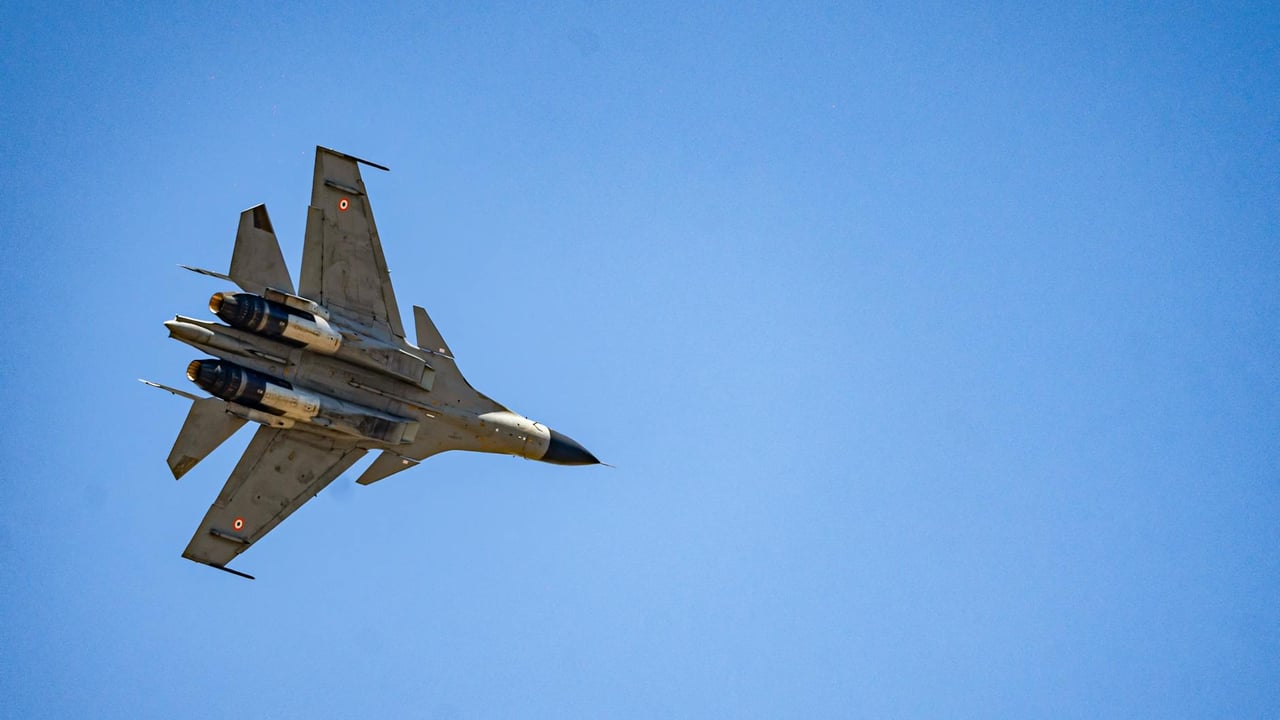

The Indian Air Force late on March 5 confirmed that a Sukhoi Su-30 fighter jet that went missing earlier that day had crashed while conducting a routine training mission in Assam’s Karbi Anglong district. The service said the wreckage was located roughly 60 kilometres from Jorhat, from where the aircraft had departed, after it disappeared from radar shortly after takeoff.
Indian media reported that multiple officers had seen the aircraft vanish from radar screens following its launch from Jorhat air base, and the IAF statement did not immediately disclose the fate of the pilot or any other details of the incident. The Su-30 is a workhorse of India’s combat fleet: New Delhi operates more than 260 of the type, which form the backbone of its air superiority force.
The crash will revive long-standing questions about maintenance, training and fleet sustainability. India’s Su-30s are predominantly Russian-built Su-30MKIs, a sophisticated but ageing platform that requires steady logistic and technical support to remain safe and mission-capable. Over the past decade the IAF has faced periodic accidents and technical groundings affecting complex aircraft, prompting episodic reviews of maintenance practices.
Beyond aviation safety, the loss has operational resonance. The Su-30 fleet underpins India’s long-range strike and air-defence posture across multiple theatres, including the northern and eastern fronts where New Delhi has focused resources amid periodic tensions with China. Any attrition, even a single aircraft, strains sortie generation and training cycles in a fleet already balancing high operational tempo and modernization plans.
New Delhi will likely launch a formal inquiry to establish cause, whether technical malfunction, human error, or environmental factors. That investigation will be watched closely by defence planners and political leaders: findings can trigger fleet-wide inspections, temporary groundings or accelerated contract work for repairs and spares, with knock-on effects for readiness and procurement timetables.
For now the crash is a reminder of the practical challenges of sustaining a large, mixed fleet of advanced combat aircraft. As the IAF awaits investigative results, the incident will add pressure on maintenance regimes and procurement decisions at a moment when New Delhi is juggling operational demands, domestic defence-industrial ambitions, and geopolitical competition in the region.