

Senior U.S. officials and analysts say Washington is racing to neutralize Iran’s missile and drone threat before the region’s supply of interceptors is exhausted. In late February U.S. and Israeli strikes targeted Iranian leadership and launch infrastructure in a push designed to blunt Tehran’s capacity to retaliate, while Iran responded with a heavy barrage of rockets and armed drones that tested allied air defenses across the Gulf.
The precise size of U.S. interceptor inventories — what the Pentagon calls the "depth of the ammunition library" — remains classified, but multiple rounds of kinetic exchanges with Iran and its proxies have been steadily consuming stocks deployed in the region. During last year’s intensified confrontation Iran fired more than 500 missiles and swarms of attack drones in a brief period; the latest exchange was described by U.S. Central Command as "hundreds" of threats that were largely intercepted, though some struck targets, particularly in states closest to Iran.
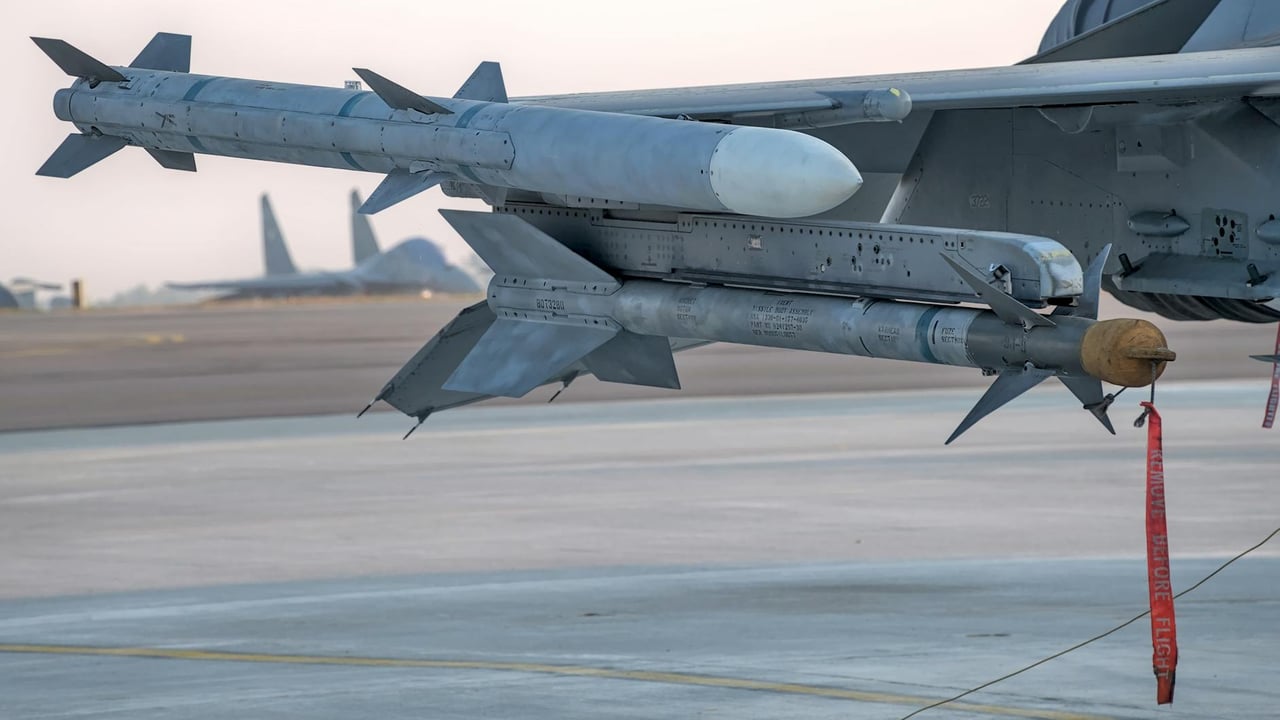
Washington has bolstered regional defenses with systems that include THAAD deployed alongside U.S. Army units to Israel in 2024 and Jordan’s own THAAD battery, yet sustaining those systems is a major concern. The Pentagon is racing to replenish interceptors for THAAD while also redirecting supplies to Patriot batteries and SM-3 interceptors, which together cover short- and exo-atmospheric threats. Analysts warn that current rates of use can outpace production and resupply, creating acute operational dilemmas.
Interceptors are only one part of the arithmetic. The U.S. and partners have also used Tomahawk cruise missiles and air-launched munitions to strike Iranian targets, placing additional stress on offensive stocks. Israel’s participation eases some pressure on American offensive missile inventories, but Jerusalem—already concerned about limited Arrow-3 interceptors and a sparse stock of air-launched ballistic interceptors—cannot fully substitute for U.S. capacity if the campaign lengthens.
The logistics challenge extends beyond the battlefield. Replenishing modern interceptors involves constrained industrial lines, long lead times for manufacturers, and supply-chain chokepoints for key components. If the conflict grows protracted, U.S. planners face stark choices: intensify pre-emptive strikes to suppress Iranian strike capacity, pull interceptors and munitions from other theaters such as the Indo-Pacific, or accept elevated damage and risk to partners in the Gulf.
Those choices carry strategic consequences. Drawing down regional stocks or diverting inventory from the Pacific would complicate U.S. deterrence elsewhere and could invite exploitation by rivals. Conversely, a decision to escalate to deprive Iran of launchers and munitions risks widening the war and raising the political costs at home and among allies who must shoulder some of the defensive burden.
What matters now is how quickly production can be scaled, whether Congress and allied governments green-light emergency transfers, and whether diplomatic channels can reduce the tempo of strikes. The coming weeks will reveal whether the U.S. can sustain an intense air-defense posture without undermining its ability to deter elsewhere, or whether ammunition scarcity forces a recalibration of strategy that reshapes the conflict’s trajectory.