
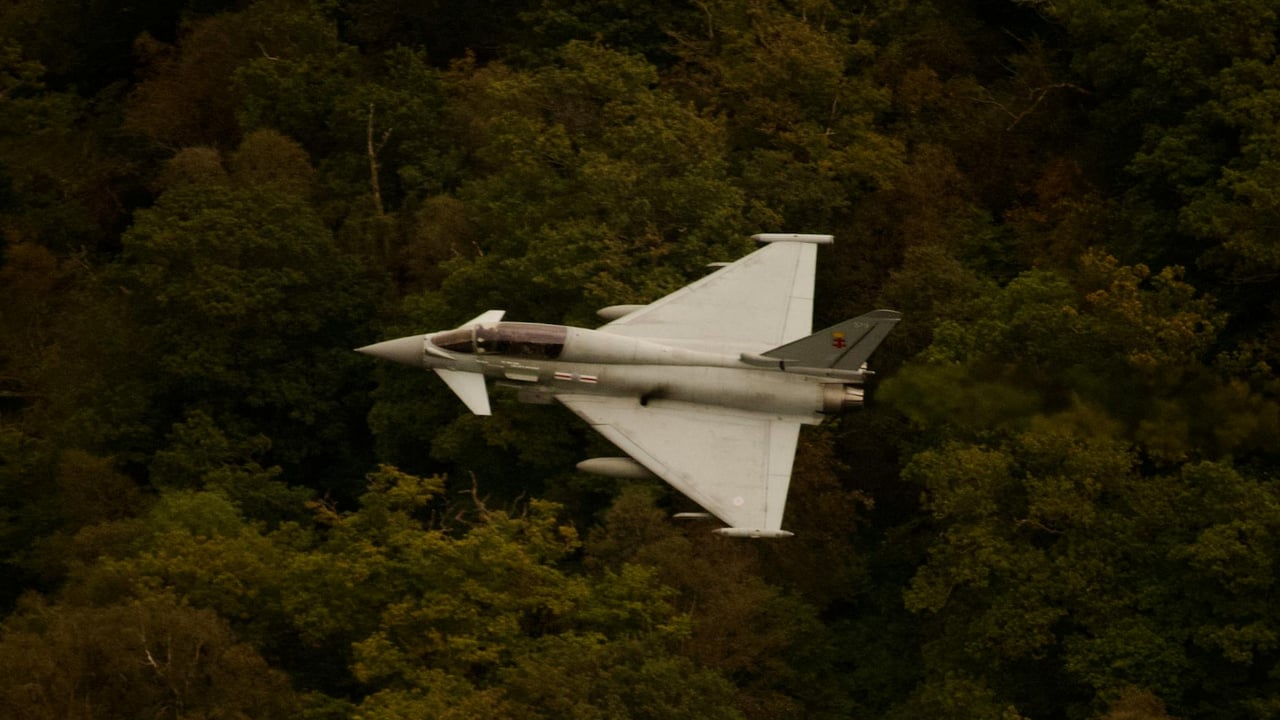

Britain will dispatch four Eurofighter Typhoon jets to Qatar as part of a stepped-up defensive posture in the Gulf, Prime Minister Keir Starmer announced at Downing Street. The move follows a request from Gulf partners for “further assistance” and is intended to strengthen the United Kingdom’s air-defence presence in Qatar and across the region.
Starmer said the reinforcement augments an existing deployment: the Royal Air Force’s 12 Squadron, sent to Qatar in January at the invitation of the Qatari government, is already operating in-theatre. The additional Typhoons are framed as a defensive contribution to regional stability rather than a combat escalation, but they carry an unmistakable signalling function toward actors who threaten Gulf security.
The decision comes against a backdrop of heightened and persistent insecurity in the Middle East and adjacent waterways. Over recent years Gulf states have confronted missile and drone strikes from Iran-backed proxies, attacks on commercial shipping in the Red Sea and Gulf of Oman, and the strategic uncertainty produced by wider regional conflicts. Qatar occupies a particular strategic position: it hosts major allied air facilities and plays a diplomatic role among rival regional capitals.
For London, the deployment serves several purposes at once. It reassures Gulf partners of the UK’s continued commitment to their defence, preserves operational access to forward bases, and keeps British air assets poised to respond to crises or to contribute to collective air policing. At the same time, the modest scale of the reinforcement—four fighters—signals restraint: a visible deterrent without the footprint or escalation implicit in a larger force buildup.
There are diplomatic trade-offs. By visibly bolstering Gulf defences, the UK risks sharpening tensions with Tehran and with non-state groups that view Western military presence as provocative. The move also underscores the increasing demands on Britain’s defence posture as it balances global commitments with limited resources, and it will test Whitehall’s ability to sustain forward deployments over time.
Ultimately, the announcement is as much about political signalling as it is about military capability. For Prime Minister Starmer, who has shifted Britain toward a more activist security stance, the reinforcement offers a relatively low-cost way to demonstrate international leadership, while maintaining close ties with a strategically important Gulf partner.