

Over one week in late February and early March 2026, Tehran’s posture toward the Strait of Hormuz swung between outright menace and calibrated restraint, triggering market panic and a sharp, if uneven, rise in oil prices. Iranian forces opened fire on more than ten tankers and at times declared the strait closed, only to shift to a narrower posture that targeted vessels linked to the United States, Israel and their Western allies. The oscillation between a de facto blockade and selective interdiction has left shipping companies, insurers and energy markets searching for clarity.
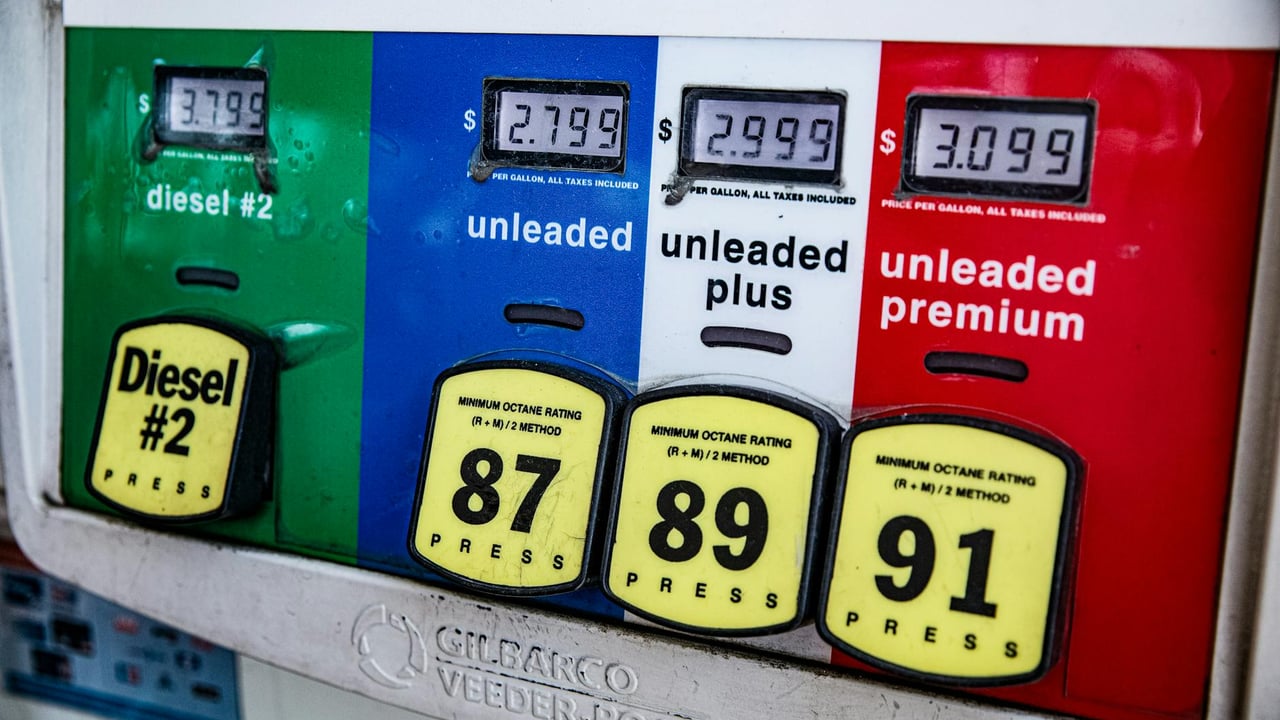
The immediate consequences were stark. A single week saw West Texas Intermediate rise roughly 20% and Brent by about 17% as attacks proliferated: an IRGC missile struck a US tanker in the Gulf, an Iranian drone hit the USS Lincoln carrier group and regional facilities—including a refinery in Bahrain—suffered strikes. Some vessels continued to transit, including a Chinese-owned bulk carrier and a tanker which switched off its AIS transponder to slip through the strait, underscoring the mix of fear, calculation and commercial imperative at sea.
Tehran’s tactical shift from a comprehensive blockade to “precision” denial is not merely rhetorical. Iranian commanders framed the move as targeted pressure on the United States, Israel and Western partners while broadly leaving Asian shipping—much of which carries Gulf crude to China, India, Japan and South Korea—less directly threatened. That posture reflects a grim arithmetic: 90% of Iran’s exports move through Hormuz and oil revenues still account for a majority of government receipts; a full closure would cost Tehran well over $100m a day in lost income, at a time when sanctions have already squeezed state coffers.
Yet the diplomatic fall-out is real. Beijing has been active behind the scenes—calling foreign ministers from seven countries including Russia, Iran, Oman, France, Israel, Saudi Arabia and the UAE—and China’s foreign ministry has urged collective steps to preserve the strait’s security. Asian importers are alarmed: Thailand briefly banned oil exports as reserves dipped toward a 50‑day threshold, and many Asian shippers found themselves at the sharp end of potential secondary impacts even when Iran professed restraint.
Markets, however, are driven by plausible worst cases. Memories of the 1973–74, 1979–80 and the 1990–91 oil shocks remain potent: oil supply interruptions then precipitated large price spikes, global inflation and recessions that reshaped policy for decades. The existence of strategic petroleum reserves and greater global stockpiles has blunted the immediate catastrophic risk, but the current conflagration shows how geopolitical flashpoints can quickly ratchet up insurance premiums, freight costs and energy price expectations.
Operational realities complicate the outlook. Rerouting tankers around Africa’s Cape of Good Hope is costly and slow; naval escorts and higher insurance will raise delivered crude prices; and producers in the Gulf have varying spare capacity to offset any sustained shortfall. Tehran’s choice of selective targeting may keep overall flows from collapsing, but it also sustains a climate of uncertainty that can be as economically damaging as an outright embargo when sustained over months.
For now, the balance between escalation and restraint will be political rather than purely military. Washington signalled readiness for stronger measures, and Tehran’s leaders framed their actions as disproportionate but measured responses to foreign pressure. The risk is that miscalculation—an errant strike, an overreaching retaliation or a third party drawn into strike operations—could collapse the managed ambiguity into a wider regional conflagration with far deeper energy and economic consequences.
The immediate takeaway for markets is cautious volatility. Consumers and governments should expect higher energy costs in the near term and a premium for security on crude transits. Diplomacy, targeted de‑escalation and judicious use of strategic reserves will determine whether this episode becomes a transient spike or the opening act of a broader “fourth” oil crisis.