China’s Spotlight Robot Startup Shuffles Leadership After Spring Gala Fame as Founder’s Exit Rumours Swirl

Magic Atom, the Beijing startup that showcased humanoid and quadruped robots at the 2026 Spring Festival Gala, announced a major management reshuffle while not addressing reports that founder and former CEO Wu Changzheng has left to start a new company. The firm emphasised continuity of technical leadership and bolstered its research bench with senior appointments, but the timing raises questions about governance as Magic Atom eyes rapid commercialisation and a possible 2026 market move.

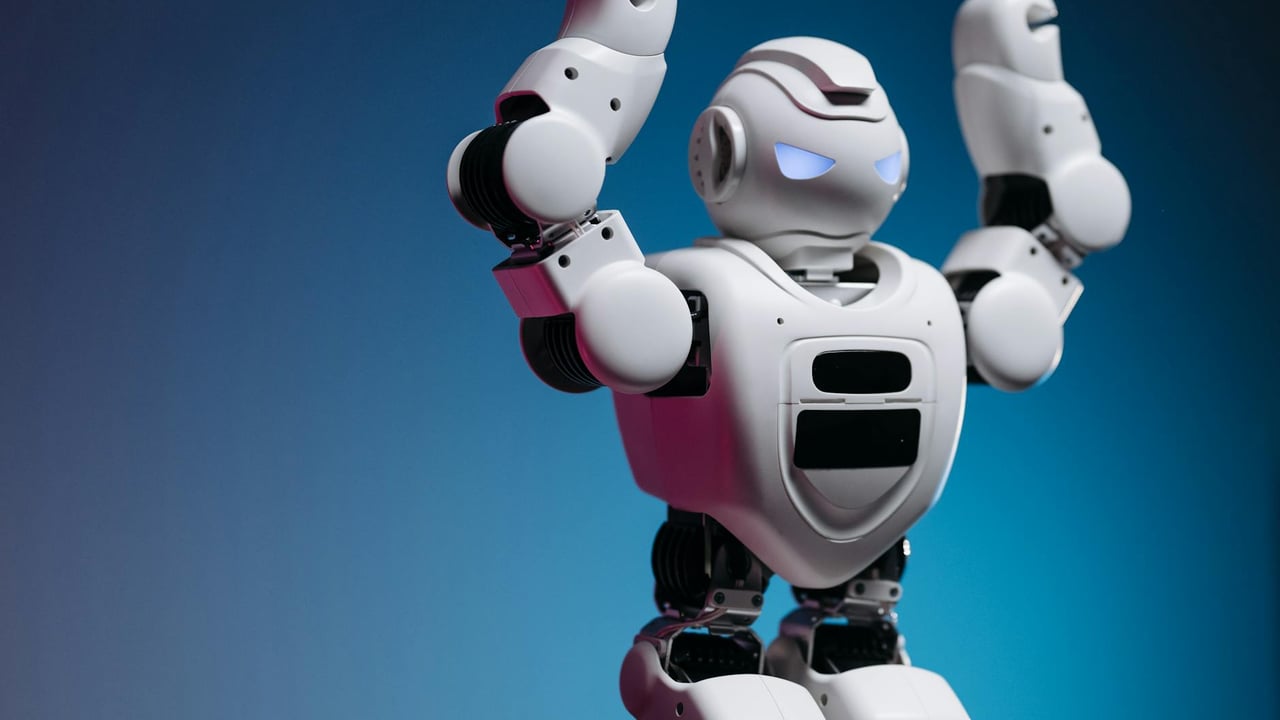
A white humanoid robot in a studio setting showcasing advanced robotics and modern technology.

Key Takeaways

  • 1Magic Atom confirmed a senior management reshuffle on March 6 and reiterated Chen Chunyu as co‑founder and CTO while not publicly addressing reports that founder and ex‑CEO Wu Changzheng has left to start a new venture.
  • 2The company appointed algorithm VP Zhang Tao to lead embodied model development and hired Tsinghua professor Li Xiang as chief scientist to advance dexterous manipulation research.
  • 3Founded in January 2024, Magic Atom says over 70% of its staff are R&D personnel from top universities and that nearly one‑third have more than a decade in robotics; it recently performed on the 2026 CCTV Spring Festival Gala.
  • 4New roles were created for data pipelines, joint‑module engineering, developer ecosystem and domestic and international commercialisation to accelerate product scale‑up and market entry.
  • 5Co‑founder Gu Shitao previously signalled the company could pursue public‑market activity as early as 2026, increasing the need for stable leadership and transparent governance.

Editor's
Desk

Strategic Analysis

The departure — or reported departure — of a founder at the moment a hardware start‑up moves from demo to delivery is a classic inflection point. Public visibility from the Spring Festival Gala raises expectations and investor scrutiny, but converting attention into revenue requires execution across manufacturing, software reliability and after‑sales service. Magic Atom’s appointments point to a deliberate shift toward technical consolidation and commercial infrastructure, signalling that backers may be prioritising operational depth over founder centrality. That approach can reassure markets if the new team demonstrates delivery and transparent governance; if it fails, however, the company risks reputational damage and a stalled IPO roadmap. More broadly, this episode underscores the challenges Chinese robotics firms face in scaling embodied intelligence amid increasing competition from established robotics players and new entrants from automotive and consumer electronics sectors.

China Daily Brief Editorial
Strategic Insight
China Daily Brief

Magic Atom, a Beijing robotics startup that brought a humanoid and a robot dog to China’s 2026 CCTV Spring Festival Gala, announced a broad senior management reshuffle on March 6 while leaving unaddressed rumours that its founder and former CEO, Wu Changzheng, has departed to start a new venture.

The company’s public statement confirmed that Chen Chunyu will remain a co‑founder and serve as chief technology officer, overseeing technical direction and product development. Magic Atom also appointed algorithm lead Zhang Tao as head of embodied models and named Tsinghua University professor Li Xiang as chief scientist to push breakthroughs on dexterous manipulation; several commercial and engineering leads were also unveiled to run data, joint modules, developer ecosystems and domestic and international market expansion.

Founded in January 2024, Magic Atom describes itself as an R&D‑heavy venture: more than 70 percent of staff are engineers from top domestic and international universities, and nearly a third have more than a decade in robotics. The public mobilisation of that talent, together with a high‑profile appearance on the Spring Festival Gala stage, has helped put the start‑up at the centre of China’s fast‑growing humanoid and quadruped robot market.

Yet the timing of the management changes — immediately after the firm’s national exposure — raises questions about internal stability as the company prepares for commercial scale‑up. The March 6 announcement made no substantive comment on Wu’s reported exit; the company did not respond to follow‑up media queries by the time of publication. That silence leaves investors, partners and customers to weigh a mix of reassuring technical continuity against the uncertainty of a missing founder figurehead.

Magic Atom’s leadership moves emphasise engineering depth and commercial rollout: the hires and promotions focus on embodied intelligence models, end‑to‑end data pipelines, self‑developed joint modules for mass production and separate leads for China and overseas markets. Co‑founder Gu Shitao has publicly suggested the firm may seek public‑market activity as early as 2026, a timetable that would heighten the need for clear governance and stable C‑suite leadership.

The episode illustrates a wider pattern in China’s robotics ecosystem: flashy demonstrations generate public attention, but turning prototypes into profitable, scalable products demands manufacturing discipline, supply‑chain resilience, software‑hardware integration and steady management. How Magic Atom reconciles its technical momentum with corporate governance and investor expectations will be a test for the firm and a bellwether for the domestic humanoid‑robot industry.

Share Article

Related Articles

📰
No related articles found