
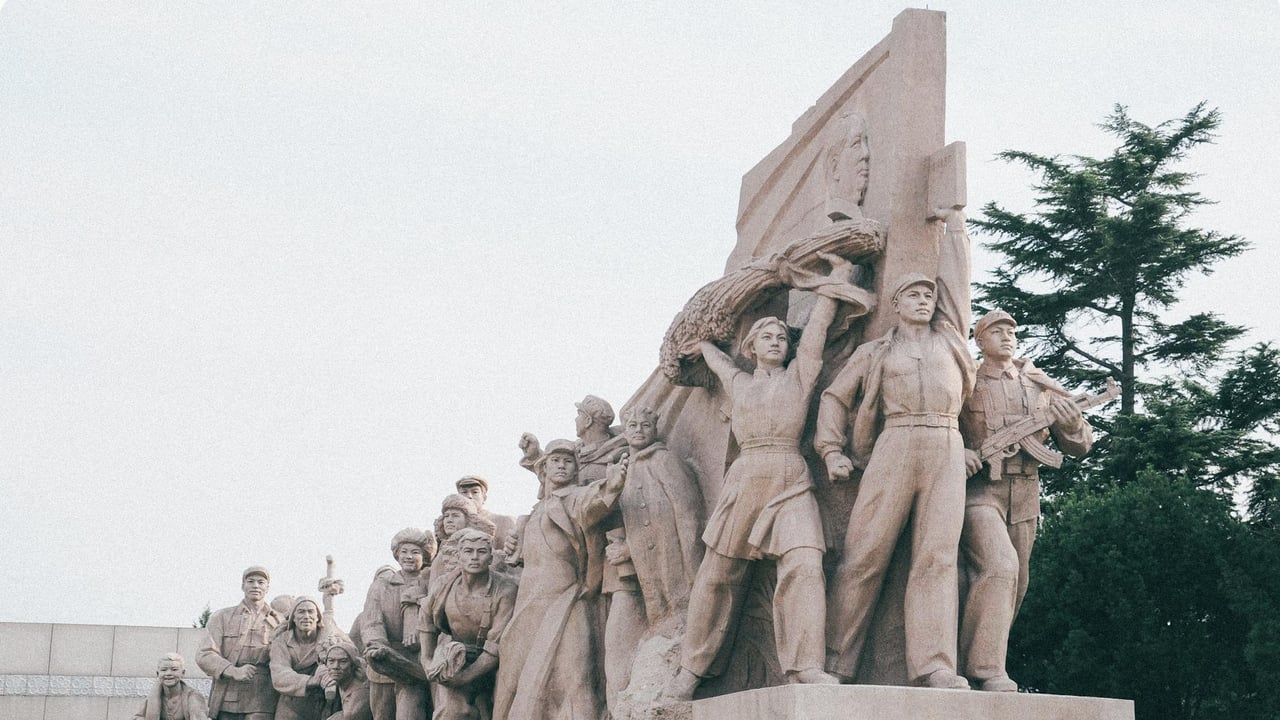

A commentary published on March 8 by China Military Video Network set out a familiar but consequential line: the Communist Party's model of "political building" must be fully leveraged to steer China's national defence and armed forces through a steady, long-term modernization. The piece frames political work — ideological cohesion, Party organs inside military units, and loyalty to the Party leadership — as the distinctive advantage that will bind technical upgrades to strategic purpose.
This emphasis on "political construction" is not new. Since the late 2010s, China’s leader has repeatedly linked military effectiveness to Party control, embedding political commissars, party committees and ideological training into the People’s Liberation Army (PLA)'s institutional fabric. The recent commentary reiterates that link while reframing it as central to turning procurement, personnel reform and new operational concepts into durable capabilities rather than episodic gains.
Practically, the argument advances a dual-track modernization: accelerating technological upgrades — from cyber and space capabilities to joint-force logistics — while intensifying political education and organisational oversight. The stated aim is "steady and far-reaching" progress, a phrase that signals an intent to avoid disruptive reforms that could unsettle command unity or the Party’s authority during a rapid push for new systems and doctrines.
That posture carries two complementary messages. Domestically, it reassures the Party and the military rank-and-file that modernization will not erode the Party’s leading role. Internationally, it communicates discipline and predictability: that improvements in hardware and training are being integrated under a single political command, making the PLA a more cohesive and reliable actor in crisis scenarios.
But prioritising political reliability does create trade-offs. Heavy emphasis on ideological conformity and political vetting can complicate meritocratic promotion, professional autonomy and the recruitment of technical specialists trained outside Party systems. How Beijing balances loyalty with the need for technical expertise will shape the PLA’s ability to operate complex systems, particularly in joint, expeditionary and high-tech domains.
For foreign policymakers and military planners, the commentary is a reminder that China’s force-modernisation trajectory is not a purely technical process. It is being managed as a political project designed to preserve the Party’s primacy while expanding coercive and deterrent capacities. Observers should therefore treat changes in doctrine, force structure and exercises as both military and political signals.
The commentary closes with a call for unity and sustained effort, placing political work at the centre of an incremental, stability-minded approach to building a modern fighting force. The key variables to watch in the months ahead will be personnel policies, the allocation of budgetary resources to dual-use technologies, and the frequency and scope of politically framed training and mobilisation exercises.