
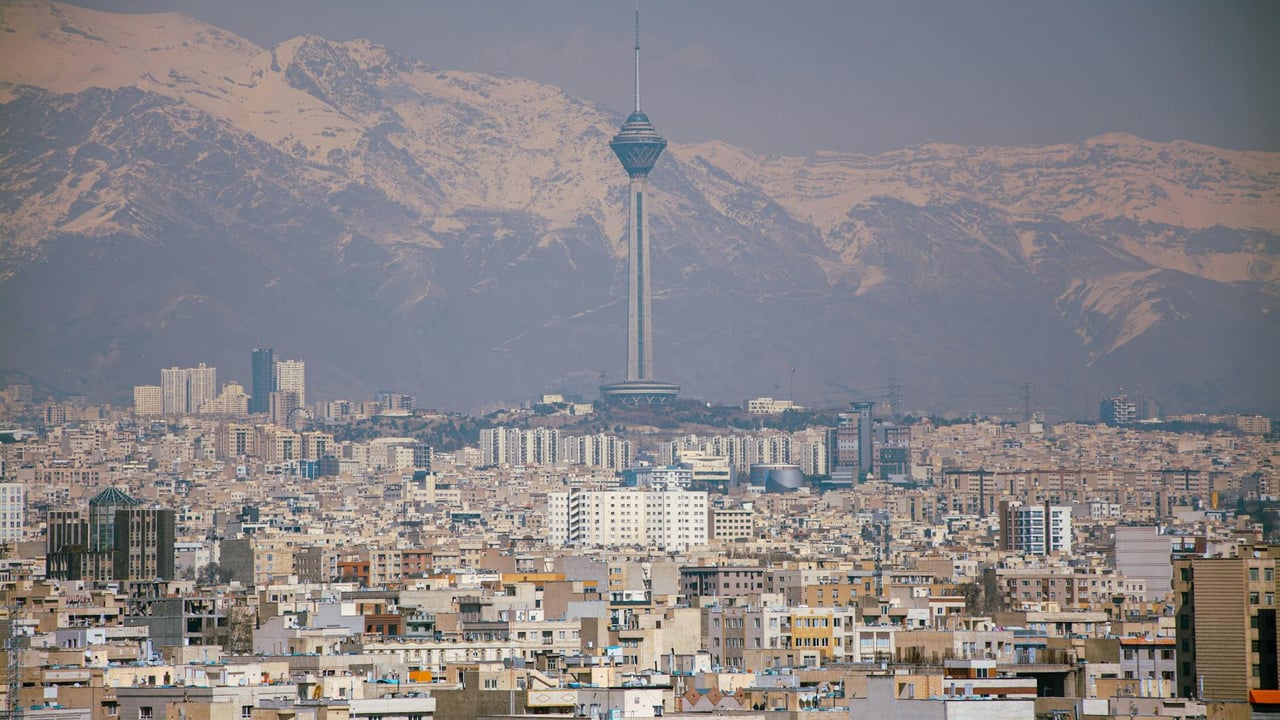

A series of strikes on five oil storage facilities in Tehran and neighbouring Alborz province on March 7–8 sent plumes of smoke across the capital and prompted urgent public-health warnings. Iranian officials reported casualties and said pollution from the explosions had spread into Tehran’s urban area; the Red Crescent warned of the possibility of toxic “acid rain” that could cause chemical burns and severe lung injury, advising residents to avoid unnecessary outdoor activity and to take protective measures.
Iranian authorities, relayed by Chinese state journalists, said the attacks had damaged thousands of civilian sites and caused heavy loss of life. The Red Crescent’s figures released on March 8 put the death toll at 1,332 and listed 9,669 civilian facilities damaged, including nearly 8,000 homes and more than 1,600 commercial properties — a scale of destruction that underscores the civilian cost of the widening campaign.
The strikes coincided with a hardening of Tehran’s military rhetoric. A spokesman for the Islamic Revolutionary Guard Corps on March 8 said Iran retains a large stock of weaponry — from heavy and ballistic missiles to cruise missiles, multiple drone types and attack vessels — and asserted that Iran could sustain high-intensity operations for at least six months. Tehran warned it would adopt new patterns of attack using longer-range, more advanced missiles that would be both heavier and more specifically targeted.
The assaults occurred amid American and Israeli military operations that began against Iran on February 28 and entered a ninth day of hostilities on March 8. Iran’s internal political calendar added to the uncertainty: an experts’ assembly has reportedly finalised a choice for the country’s next supreme leader, but officials have not disclosed a name, leaving succession and decision-making in an unusually opaque state at a moment of acute external pressure.
Beijing’s diplomatic mission in Tehran has been focused on citizen protection. Since February 28, more than 600 Chinese nationals have been evacuated from Iran, the Chinese broadcaster reported. The embassy organised transport, tracked convoys to border crossings, helped obtain travel documents when passports could not be retrieved locally, and coordinated with local diaspora groups to speed evacuees to safety — a pragmatic response that emphasises embassy logistics over political signalling.
Practical consequences are already visible on the ground. Tehran province’s governor said the strikes had disrupted fuel-supply processes and that some problems would take two to three days to resolve, a reminder that damage to petroleum storage and distribution can quickly translate into everyday hardships for civilians, from transport disruptions to heating and power strains.
The attacks and the Iranian response raise immediate regional and global risks. Targeting oil infrastructure heightens the chance of prolonged environmental harm and civilian suffering, complicates relief and reconstruction, and increases the likelihood of spillovers into maritime and energy markets. At the same time, Tehran’s threats to escalate with longer-range weapons create incentives for further strikes and counterstrikes, making the conflict’s trajectory in the coming weeks both volatile and consequential.
For external actors — including China, which has substantial economic ties to Iran but is keen to avoid direct confrontation with the United States or Israel — the crisis presents a classic dilemma: safeguard citizens and commercial interests without becoming entangled in escalating military dynamics. How Beijing balances those priorities in the coming days will be a useful indicator of its operational and diplomatic posture in a region now sliding toward deeper instability.