Iran Condemns US–Israel Strikes on Fuel Sites as ‘Deliberate Chemical Warfare’

Iran’s foreign ministry spokesman accused the United States and Israel of attacking Iranian energy sites and described the strikes as “deliberate chemical warfare,” claiming environmental and civilian harm. The charged rhetoric raises diplomatic and legal stakes, risks domestic rallying, and could prompt asymmetric Iranian retaliation that heightens regional instability.

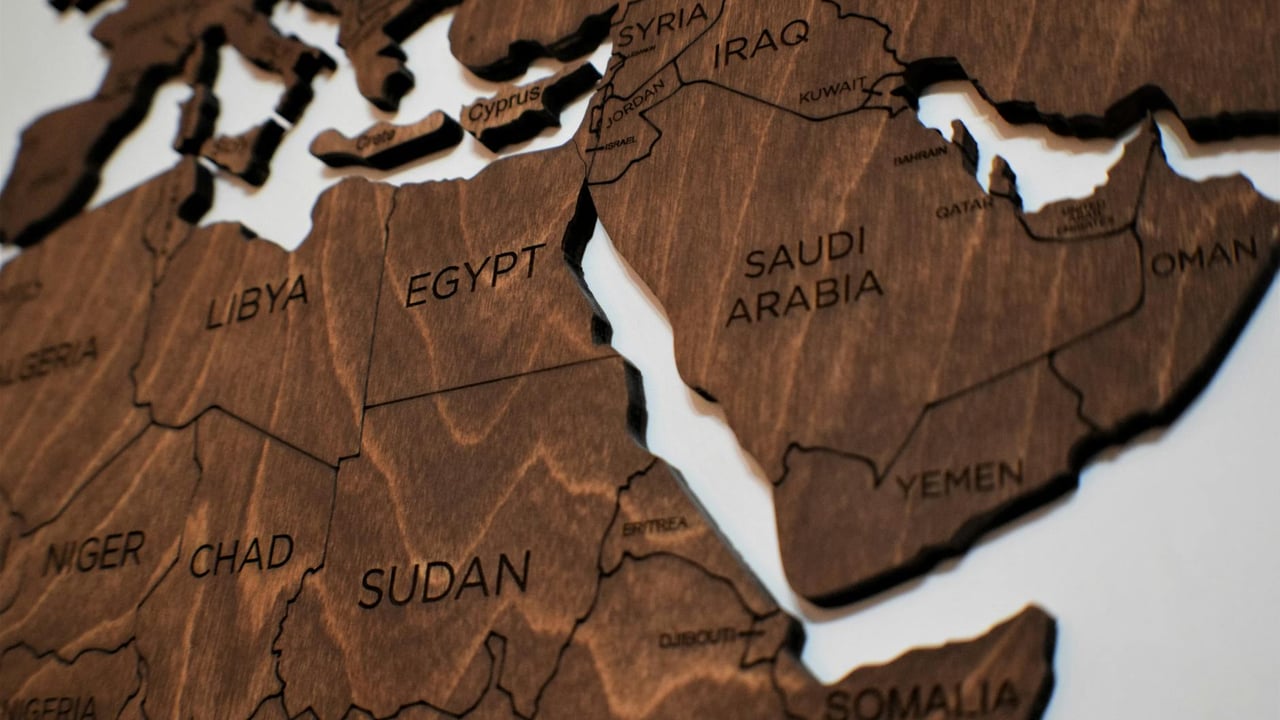
Detailed wooden jigsaw map featuring countries from North Africa and the Middle East.

Key Takeaways

  • 1Iran says US and Israeli strikes on fuel depots amount to “deliberate chemical warfare,” citing environmental and public-health threats.
  • 2Tehran warned that attacks on fuel storage release toxic substances that can poison civilians and damage ecosystems.
  • 3The allegation escalates the diplomatic framing of such incidents and could lead Iran to seek international remedies or pursue asymmetric retaliation.
  • 4Environmental remediation, higher security costs and regional escalation would be likely practical consequences of continued attacks.

Editor's
Desk

Strategic Analysis

Labeling strikes on energy infrastructure as “chemical warfare” is both a rhetorical and strategic manoeuvre by Tehran. Rhetorically, it seeks to reframe isolated kinetic attacks as violations of humanitarian norms, attracting broader international opprobrium and legal scrutiny. Strategically, the claim strengthens domestic cohesion around the regime and provides a justificatory basis for a range of responses short of full-scale war — cyberattacks, maritime interdictions, or proxy operations — that can impose costs on adversaries while avoiding direct high-intensity confrontation. For Washington and Jerusalem, the risk is that a campaign of infrastructure strikes, even if tactically effective in degrading Iranian capabilities, will produce sustained, politically costly fallout: higher insurance and security premiums for shipping and energy industries, growing global concern over environmental harms, and an elevated chance of tit-for-tat escalation that could draw in third parties. International actors who wish to prevent a spiral should press for incident transparency, independent environmental assessments and channels for de‑escalation before accusations harden into sustained reprisals.

China Daily Brief Editorial
Strategic Insight
China Daily Brief

Iran’s foreign ministry spokesman, identified in state media as Bagaei, publicly accused the United States and Israel on March 8 of carrying out strikes on Iranian energy infrastructure that amount to a “deliberate chemical war.” He said attacks on fuel depots and related facilities release hazardous and toxic substances, inflict environmental damage and pose large-scale threats to civilian life and public health.

The spokesperson framed the incidents not merely as military sabotage but as an assault with lasting humanitarian and ecological consequences. He warned that burning or rupturing fuel storage can emit noxious compounds that contaminate air, soil and water, poisoning local populations and ecosystems long after any flames are extinguished.

The allegation arrives against a backdrop of persistent tensions between Tehran and its adversaries, during which energy and transport facilities have periodically been targeted in covert operations, sabotage and limited strikes. Whether carried out overtly or by proxy, such attacks are intended to degrade Iran’s logistical and economic capacity, but Tehran’s rhetorical escalation — invoking “chemical warfare” — raises the diplomatic and legal stakes.

Iran’s choice of language is consequential. Charging the United States and Israel with chemical warfare is a deliberate effort to shift the narrative from tactical strikes to an international humanitarian grievance, inviting condemnation, legal scrutiny and potential diplomatic responses at forums such as the United Nations. It also serves domestic political purposes, bolstering the government’s claim to defend national sovereignty and civilian safety.

Beyond reputational damage, the practical implications are real: environmental contamination can force local evacuations, long-term public health monitoring and costly remediation; repeated attacks on energy infrastructure can raise insurance and security costs, deter foreign investment and complicate whatever constrained energy exports Iran can sustain under sanctions. Equally important is the risk of miscalculation: Tehran may respond asymmetrically — through cyber operations, attacks on maritime traffic, or proxy strikes across the region — producing a cycle of escalation that further endangers civilians and commerce.

Share Article

Related Articles

📰
No related articles found