Cuba Condemns ‘Americas Shield’ Summit as Neo‑Colonial Push by Washington

Cuban President Miguel Díaz‑Canel condemned a US‑hosted “Americas Shield” summit as neo‑colonial, accusing Washington of seeking permission to intervene militarily in regional affairs. The episode highlights tensions over US security engagement in Latin America and risks deepening divisions over sovereignty and regional integration.

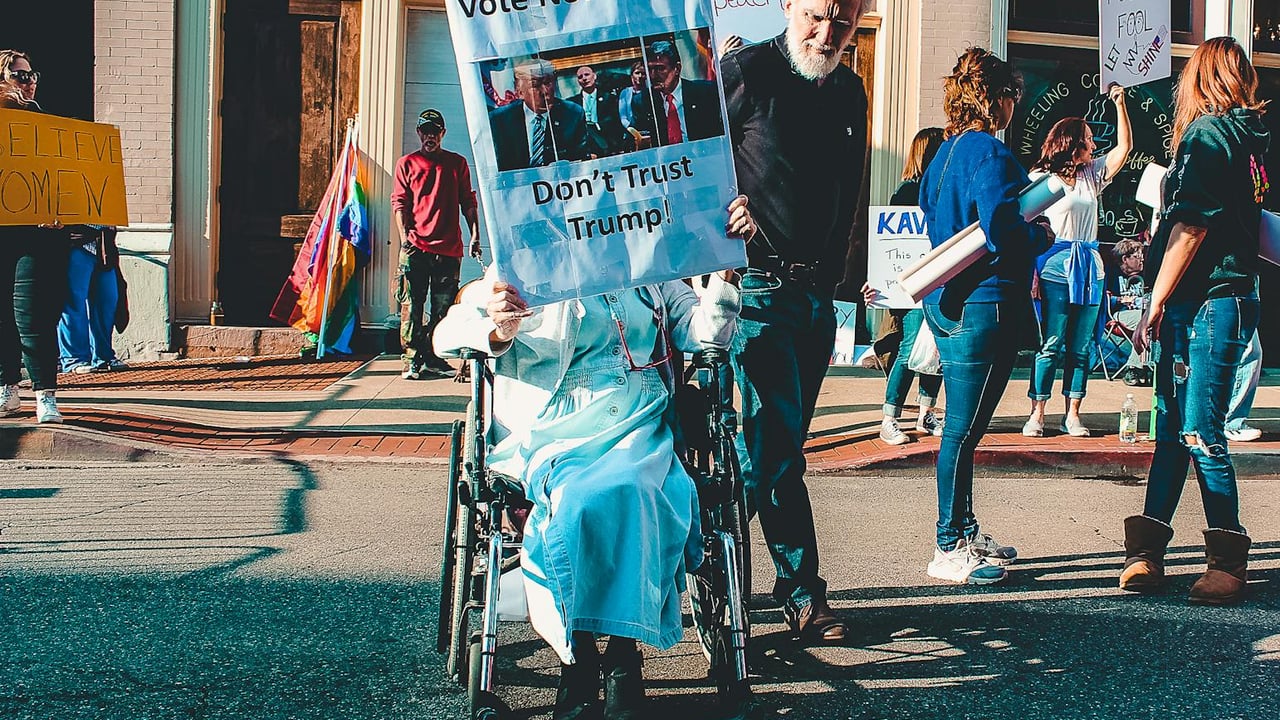
A diverse group of people protesting outdoors with signs and banners in a vibrant street scene.

Key Takeaways

  • 1Miguel Díaz‑Canel called the US‑hosted “Americas Shield” summit neo‑colonial and accused it of seeking to normalise US military interference in regional affairs.
  • 2Díaz‑Canel said the summit undermines the Declaration of Latin America and the Caribbean as a Zone of Peace and the broader project of regional integration.
  • 3At the Florida meeting, President Trump urged tougher action on organised crime and offered US support, while asserting that Cuba was nearing collapse.
  • 4The clash underscores a broader contest over sovereignty, US security influence in the hemisphere, and the future orientation of regional institutions.

Editor's
Desk

Strategic Analysis

The Americas Shield episode is a snapshot of a wider strategic tug‑of‑war in the Western Hemisphere. For Washington, security cooperation is a lever to shore up declining influence as China and Russia expand economic and diplomatic ties across Latin America. For critics from Havana to left‑leaning capitals, American security offers are a replay of a century‑long pattern in which US engagement blurred into intervention. In the short term, Washington can extract tactical gains — intelligence sharing, extraditions, bilateral military ties — but at a cost: increased anti‑American sentiment and strengthened incentives for regional actors to seek alternatives. For Cuba, invoking neo‑colonialism serves a dual domestic and diplomatic purpose: it delegitimises US pressure abroad while consolidating support at home by portraying the regime as a bulwark against foreign interference. Expect more performative denunciations, selective cooperation on crime where interests align, and a more fragmented regional landscape in which multilateral forums become arenas for contestation rather than consensus.

China Daily Brief Editorial
Strategic Insight
China Daily Brief

Cuban President Miguel Díaz‑Canel on March 7 denounced a US‑hosted summit in Florida, branded the “Americas Shield,” as a meeting of “new colonialist character.” Posting on social media, Díaz‑Canel said the event’s real aim was to persuade regional governments to accept US military intervention in their domestic affairs, a step he argued would erode the Declaration that designates Latin America and the Caribbean as a Zone of Peace and undermine efforts at regional integration.

The criticism came after US President Donald Trump used the summit to press Latin American governments to take tougher measures against organised crime, offering American support. Trump also asserted that Cuba was “in its final moments,” remarks that reinforce long‑standing US rhetoric about the island’s political future and that Cuban state media used to rally domestic opposition to what it calls US hegemony.

The dispute matters because it touches on two contested fault lines in hemispheric politics: the scope of US security engagement in the Americas and the principle of national sovereignty that many Latin American governments — and blocs such as CELAC — hold central. For decades Washington has oscillated between bilateral security cooperation, covert operations and diplomatic pressure; proposals for a more overt military role feed historical memories of intervention across the region and complicate relations with governments sensitive to sovereignty and regional multilateralism.

Strategically, the summit illustrates how Washington is attempting to reassert influence in its near abroad by framing regional partnerships through the prism of security, while opponents portray those moves as a cover for political control. The immediate effect is likely to be a sharpening of political rhetoric: governments that welcome US assistance will have to manage domestic criticism about sovereignty; governments opposed to US involvement will use the episode to strengthen anti‑American alliances and domestic cohesion. Longer term, the debate over the Americas Shield could deepen polarisation in regional institutions and drive Latin American states to pursue more diversified security and diplomatic ties.

Share Article

Related Articles

📰
No related articles found