Global Chip Sales Surge in January as AI and Cloud Demand Drive a 46% Yearly Jump

Global semiconductor sales rose to $82.54 billion in January 2026, up 46.1% year‑on‑year and 3.7% month‑on‑month, driven largely by AI‑related demand and broader market restocking. The rise strengthens revenues for chipmakers and equipment suppliers but is tempered by cyclical risk and geopolitical considerations that will influence capacity and supply chains.

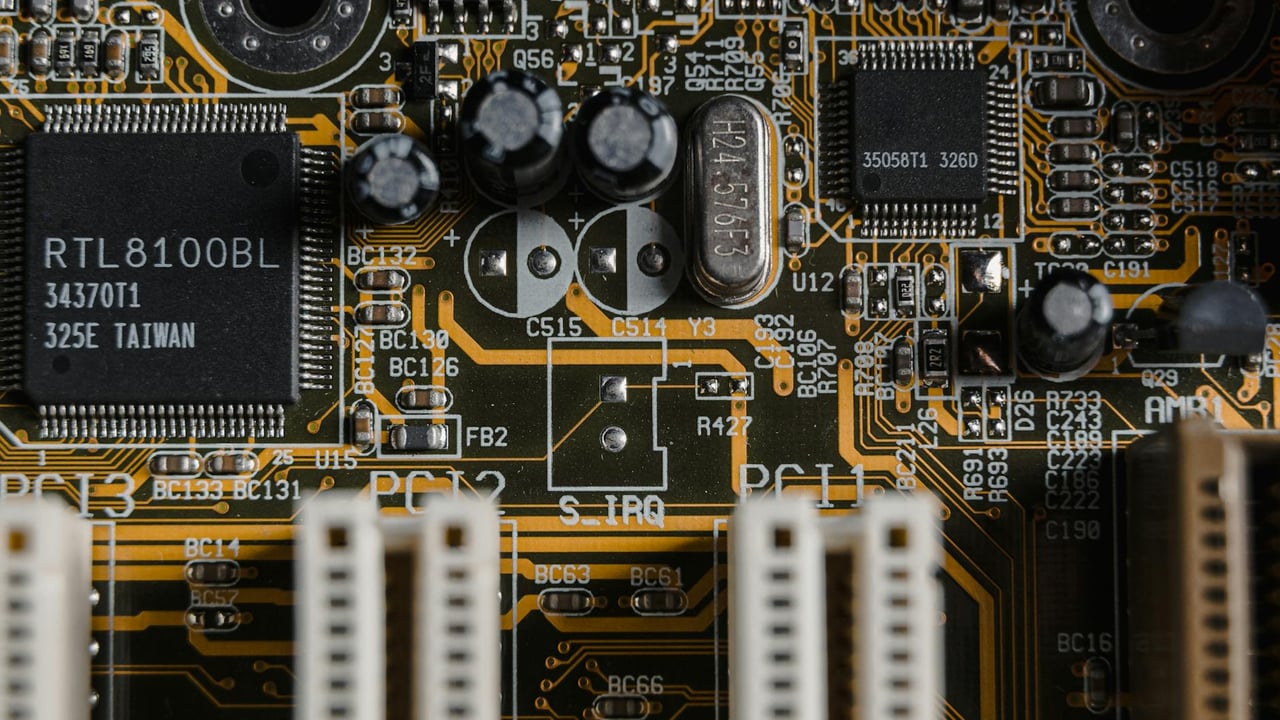
Detailed view of a motherboard with visible microchips and circuits.

Key Takeaways

  • 1January 2026 global semiconductor sales were $82.54 billion, up 46.1% year‑on‑year and 3.7% month‑on‑month.
  • 2Demand for AI accelerators and data‑centre hardware, plus broader restocking, are primary drivers of the surge.
  • 3Stronger sales support higher capex plans for foundries and equipment vendors, bolstering the industry’s recovery.
  • 4Risks include the cyclical nature of chip markets, potential inventory normalization, and geopolitical policies reshaping supply chains.

Editor's
Desk

Strategic Analysis

The surge in chip sales illustrates how quickly technological inflection points—most notably the commercial rollout of large AI models—can transform semiconductor market dynamics. If AI and cloud spending remain structurally higher, the industry faces a multi‑year investment cycle to expand advanced logic and packaging capacity, benefiting foundries and equipment makers while intensifying competition for skilled labour and materials. Yet policymakers’ supply‑chain interventions and export restrictions will complicate investment flows and could slow the geographic reallocation of capacity. For markets, the near‑term outlook is bullish, but investors should price in a high degree of cyclicality and policy risk: a strong January does not guarantee a steady run of double‑digit growth through the year.

China Daily Brief Editorial
Strategic Insight
China Daily Brief

The Semiconductor Industry Association reported that global semiconductor sales reached $82.54 billion in January 2026, a striking 46.1% increase from the same month a year earlier and a 3.7% rise month‑on‑month. The data mark one of the strongest year‑over‑year gains in recent memory and signal a sustained uplift after the industry’s multi‑quarter slump in 2023–2024.

Several structural and cyclical forces appear to be behind the rebound. An accelerating deployment of AI models and the associated demand for high‑performance GPUs has swollen purchases by hyperscalers and cloud providers, while enterprise restocking and stronger end‑market demand for consumer electronics and automotive chips have helped broaden the recovery. These demand pressures have coincided with continued capacity investments by foundries and memory makers, tightening certain segments of the supply chain.

The jump in sales will have immediate commercial consequences. Chipmakers and equipment vendors stand to see improved revenue and margin prospects, supporting higher capital expenditure plans for new fabs and process upgrades. Foundries such as TSMC and Samsung, designers like NVIDIA and AMD that supply AI accelerators, and suppliers of semiconductor manufacturing equipment are likely to be among the beneficiaries if current trends persist.

But the upswing carries caveats that matter for investors and policymakers alike. Semiconductor markets are inherently cyclical: strong sequential gains can reverse if inventory replenishment runs its course or if demand from AI projects proves less durable than anticipated. At the same time, export controls, geographic diversification of production, and public subsidies (for example, CHIPS Act investments and China’s domestic push) will shape where future capacity is built and who captures the gains from the current sales surge.

Share Article

Related Articles

📰
No related articles found