
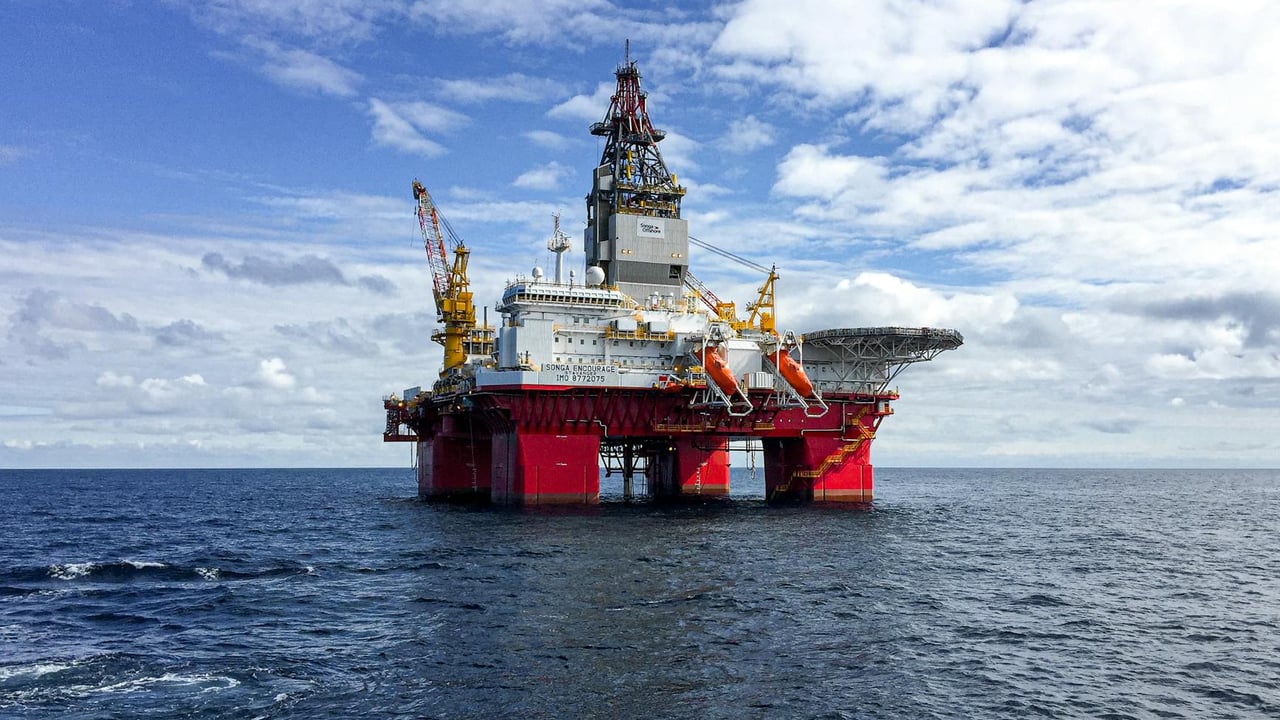

Global commodity markets awoke to a jolt on March 9 as oil futures rocketed: WTI touched roughly $109 per barrel and Brent climbed to about $110, with intraday moves of roughly 20% and 18% respectively. The move capped a week that already delivered outsized gains for crude, the largest weekly jumps on record for some contracts, and sent shockwaves through energy, shipping and financial markets as investors raced to price in a higher-risk supply backdrop.
The immediate catalyst was a fresh deterioration in Middle East security dynamics: Iran’s leadership shuffle and sharp exchanges of threats with the United States and Israel, plus reports of precautionary production cuts from regional producers, have heightened fears of disruption to flows through the Strait of Hormuz. Beijing publicly urged restraint and called for protection of the sea-lanes, underscoring how an intensifying regional crisis now directly intersects with Chinese energy security and global growth prospects.
The oil spike has lifted precious metals alongside it. Several major Chinese jewellery brands — including the likes of Chow Tai Fook and other national chains — adjusted retail prices for 24k gold jewelleries, with some stores announcing staged price rises. That retail response follows broader positioning in China’s reserve strategy; domestic commentators noted the People’s Bank’s sustained gold purchases in recent months, which, together with commodity-driven demand, have supported firmer gold markets.
Chinese financial authorities, meanwhile, moved to shore up market confidence with a fresh regulatory clarification aimed at major shareholders and insiders. The China Securities Regulatory Commission released rules detailing 13 exemption scenarios for short-swing trading restrictions that apply to holders of more than 5% of listed firms and to directors, supervisors and senior executives. The measure seeks to curb insider arbitrage while protecting legitimate, long-term institutional and policy-driven flows — a balancing act intended to steady the equity market through periods of heightened volatility.
On the technology front, a populist open-source project nicknamed OpenClaw — an ‘‘AI agent’’ framework with a lobster logo that has become a phenomenon in the developer community — drew official scrutiny. The platform’s rapid adoption (hundreds of thousands of GitHub stars) and its local-first design have made it attractive for enterprises and hobbyists, but China’s industrial cybersecurity monitors warned that poorly configured deployments pose high security risks, including exposure to network attacks and data leakage.
The market ripple effects were broad: Chinese commodity futures saw energy-related contracts surge and a wave of daily trading limits hit in products from crude to fuel oil and freight. Corporate newsflow was active too, with several domestic M&A and financing moves resuming trading after suspension, a high-profile asset distribution plan unveiled by retail group Pangdonglai, and management shake-ups at major retail chains where absenteeism and governance concerns prompted board action.
Taken together, the package of developments — a geopolitical risk flare-up driving a commodity shock, domestic gold-price pass-through to consumers, and fresh regulatory clarifications — points to a more complicated policy and market landscape for China. For policy makers the challenge is to contain second-round effects: energy-driven inflation, a precautionary shift into hard assets, and the risk that volatile markets deter the long-term capital the authorities are trying to cultivate.
For international investors and governments, the immediate worry is how prolonged higher oil prices and a securitized shipping environment will affect growth trajectories. Higher fuel costs would squeeze margins across manufacturing and transport, lift consumer price pressures globally, and complicate central bank arithmetic as inflationary impulses clash with fragile demand growth.
In short, the episode is a reminder that local political events in the Middle East can produce instantaneous global economic consequences. Beijing’s calls for stability, domestic regulatory nudges to protect market integrity, and the private sector’s scramble to recalibrate prices and risk controls together map out the near-term response: defensive, pragmatic and aimed at limiting contagion rather than reversing the new market direction.