
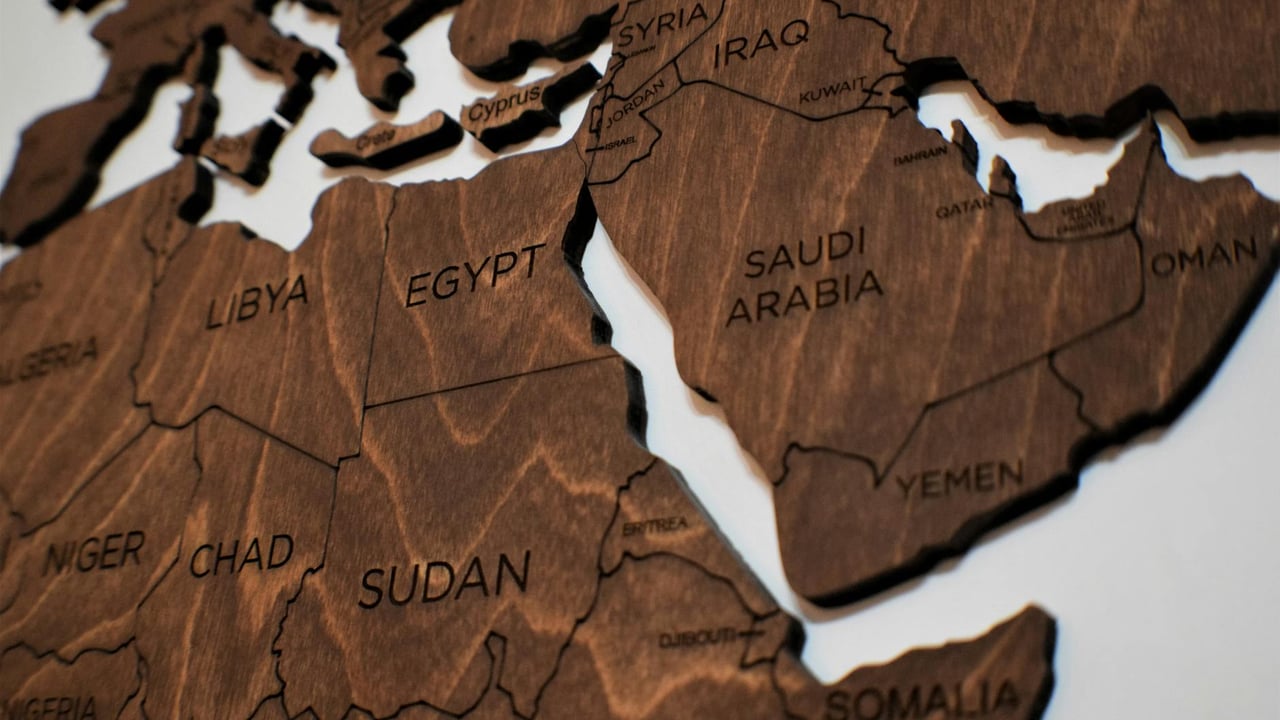

Israeli forces have stepped up air and ground operations across multiple areas of Lebanon, prompting Prime Minister Nawaf Salam to say on March 9 that Beirut is doing everything it can to bring the fighting to a halt. In a televised interview, Salam said the Lebanese government has repeatedly urged restraint and was pushing Arab and European partners to help stop the violence, but that those efforts have so far failed to produce a durable halt.
Salam framed the clashes as part of a wider confrontation involving the United States, Israel and Iran, while also blaming some Arab partners for prioritizing narrow national interests over urgent regional de‑escalation. He said Beirut has received assurances from Hezbollah that it would not intervene in any direct Israel‑Iran confrontation and that mediators secured an Israeli pledge not to take action against Lebanon so long as Hezbollah remained out of the fight. "None of this has lasted more than 48 hours," he said.
The prime minister also said the only concrete guarantee his government has secured to date is that Beirut's international airport and the access roads leading to it would be spared bombing. When asked whether any commitment had been made linking a halt in fighting to Hezbollah disarming, Salam said he had seen no such condition; he argued that disarmament would be a process, while a cessation of hostilities needed to be immediate.
The current flare‑up began after Hezbollah fired rockets into northern Israel on the evening of the 2nd in apparent retaliation for recent U.S. and Israeli strikes on targets linked to Iran. Israel responded with heavy strikes on southern and eastern Lebanon and areas near the capital, Beirut, and has conducted ground operations in the south. Lebanon's social affairs minister, Hanin Saeed, said that as of March 8 roughly 517,000 people had registered as displaced through the government's relief platform since the start of the month.
The fighting is reopening familiar dangers for Lebanon: the risk of a rapid slide from cross‑border exchanges into a wider war, a deepening humanitarian crisis, and the exacerbation of domestic political fragility. Beirut's limited capacity to enforce guarantees with either Hezbollah or Israel, and the transient nature of the commitments the prime minister described, underline how little room remains for miscalculation before the violence widens.
International mediators have so far been unable to produce a lasting de‑escalation. Salam's appeal highlights two intertwined problems: the regional character of the confrontation, which draws in U.S., Israeli and Iranian interests, and the uneven willingness of Arab and European states to exert costly leverage. For ordinary Lebanese, the immediate consequences are displacement, damaged infrastructure and the collapse of security in border communities that already live on the edge.