
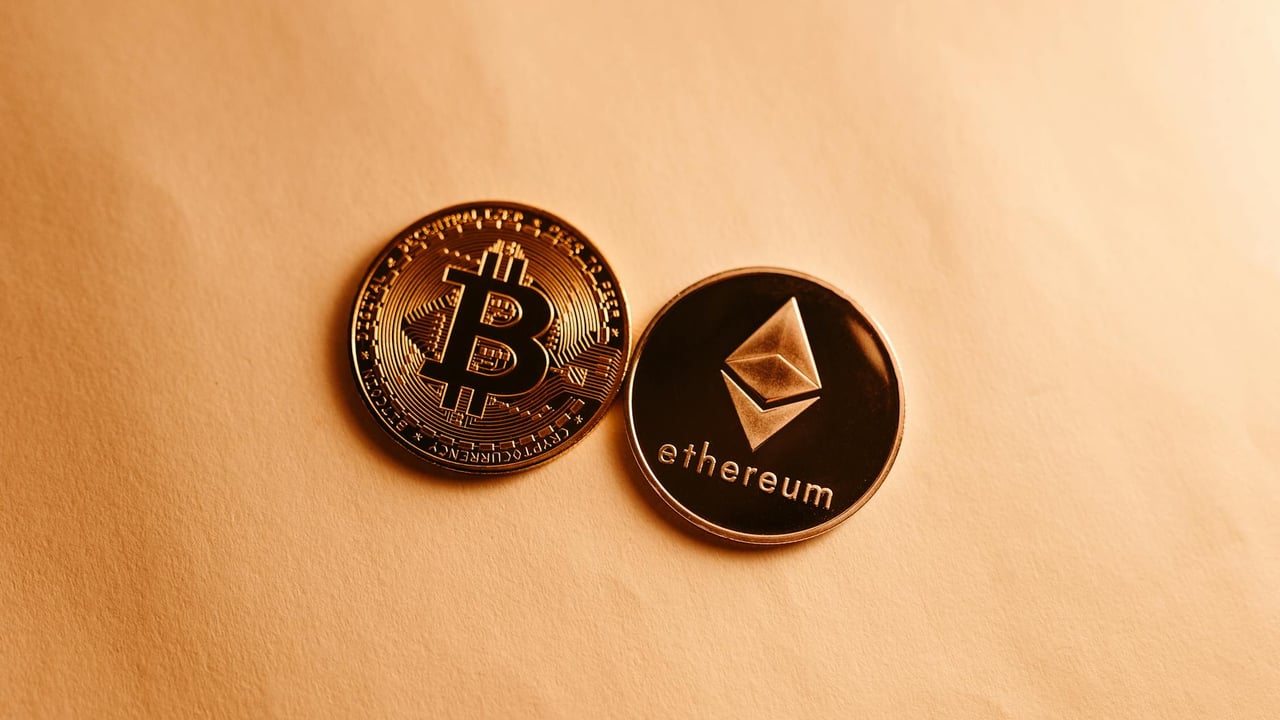

As of March 8 US eastern time, crypto firm BitMine reported a further material accumulation of Ethereum, adding 60,976 ETH in the previous week and bringing its total Ether holdings to 4,534,563 ETH. The company said its crypto, equity and cash reserves tied to its so‑called "Moon Plan" now total about $10.3 billion, a treasury that mixes digital assets with conventional corporate stakes and sizeable liquid cash.
BitMine’s Ether stash represents roughly 3.76% of the protocol’s circulating supply of about 120.7 million ETH. The firm’s broader portfolio includes 195 Bitcoin, $200 million of shares in an entity called Beast Industries, $14 million in ORBS (Eightco Holdings) equity, and $1.2 billion in unencumbered cash on the balance sheet.
A single well‑capitalised corporate holder of this scale matters for markets. Removing more than four and a half million ETH from the liquid pool tightens available supply and can amplify price moves, particularly in periods of low trading volume. Large, concentrated holders can also influence short‑term liquidity and investor expectations about future supply dynamics when they choose to stake, sell or collateralise their holdings.
BitMine’s mix of crypto, equities and cash signals a deliberate treasury strategy: retain substantial exposure to Ether while preserving optionality with liquid cash and equity positions. The $1.2 billion cash buffer gives the firm the flexibility to add more crypto on weakness, cover liabilities, or deploy capital into strategic acquisitions and investments without forced sales of digital assets.
From the perspective of the Ethereum ecosystem, concentration of tokens in corporate treasuries raises governance and systemic considerations. If BitMine elects to stake a significant portion of its ETH, it may enhance network security but simultaneously reduce liquid supply. Conversely, if it leverages or lends assets into decentralised finance, it adds counterparty and composability risk for the broader market.
For international investors and market observers, BitMine’s report is a reminder that crypto treasuries now resemble corporate balance sheets in other sectors: active asset allocation, public disclosures and the potential to move markets. The firm’s continuing accumulation should be watched as a signal of institutional sentiment toward Ether and as a factor in short to medium‑term supply dynamics.
Looking ahead, market participants will monitor whether BitMine accelerates accumulation, begins staking en masse, or uses its cash reserves to diversify further. Each path carries different implications for price liquidity, network security and systemic risk in decentralised finance. Given the scale of its holdings, even marginal changes in BitMine’s behaviour could ripple through Ether markets and the wider crypto ecosystem.