

China’s retail fuel prices rose at midnight on March 10, triggering long queues at filling stations across major cities as motorists raced to top up before the increase took effect. The National Development and Reform Commission announced gasoline and diesel price adjustments of 695 yuan and 670 yuan per tonne respectively, translating to roughly a 0.55–0.58 yuan-per-litre jump for common grades of petrol and about 0.57 yuan for diesel.
The adjustment is the fourth upward retail correction in 2026 and the largest single rise since March 2022, analysts said. For ordinary drivers a 50-litre fill-up now costs roughly 27.5 yuan more, while heavy logistics operators face steeper bills: a heavy truck running 10,000 km a month with a 38 L/100 km consumption profile will see fuel costs climb by about 1,011 yuan a month.
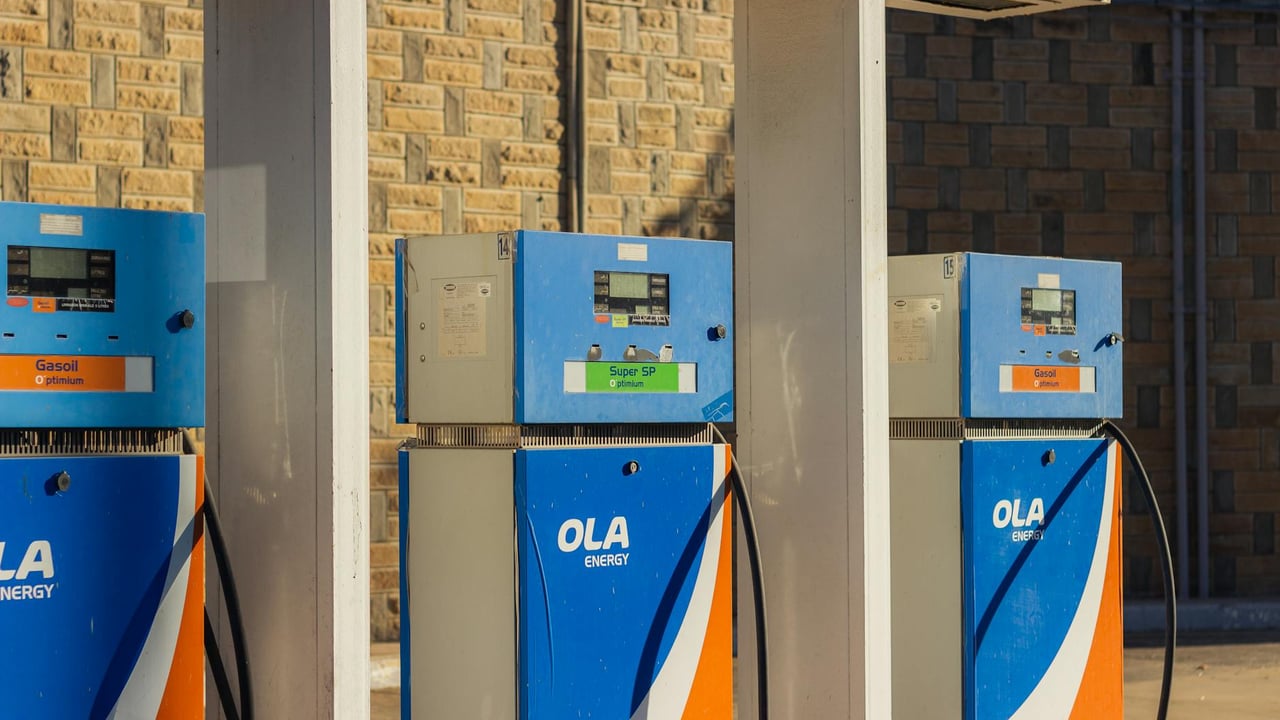
Scenes at stations in Chengdu, Beijing, Shanghai, Hangzhou and Wuhan mirrored one another: staff reported long lines, stations running late into the evening, and customers who had timed the previous windows’ adjustments showing up in larger numbers. Some stations in Chengdu warned drivers in advance, prompting a rush as motorists tried to lock in the lower price; others ran out of fuel during the surge, leaving queued drivers stranded.
The immediate trigger lies beyond China’s borders. New York and Brent crude futures surged past $100 a barrel on March 8 and briefly neared $110 — levels unseen since 2022 — after a US and Israeli strike on Iranian targets and Iran’s Revolutionary Guard said it would control the Strait of Hormuz, barring Western vessels. The strait is a critical artery for global oil shipments, and any disruption there tightens an already fragile supply picture.
Analysts point to a mounting storage and logistics squeeze in the Gulf: constrained exports have forced producers to divert crude into onshore tanks and floating storage, cutting flows from major fields. Iraq’s southern output has reportedly fallen by around 70%, and while Kuwait, the UAE and Saudi Arabia retain some spare storage capacity, it is measured in days rather than weeks — an insufficient cushion if disruptions persist.
Market commentators warn of a ‘snowball’ effect as traders price in a prolonged conflict. Consultancy and banks have sketched scenarios in which a multi-week closure of Hormuz could send crude toward $150 a barrel, a move that would materially amplify domestic retail fuel adjustments in China and widen the cost shock to freight, manufacturing and household budgets.
Domestically, the NDRC’s “ten working days” pricing mechanism means an early March window produced the rise now in effect and leaves the door open for another adjustment when the next window opens on March 23. Chinese authorities face a familiar policy trade-off: let market prices transmit the global shock and protect macro balances, or deploy tools such as strategic reserve releases, tax adjustments or temporary subsidies to blunt the impact on consumers and the logistics sector.
For motorists and businesses the near-term reality is higher operating costs and renewed sensitivity to price windows; for policymakers the episode underscores how quickly geopolitical shocks can filter through tightly managed domestic markets. The oil shock also reiterates a longer-standing strategic vulnerability: reliance on chokepoints and foreign crude makes energy security a central variable in both foreign and economic policy calculations.