
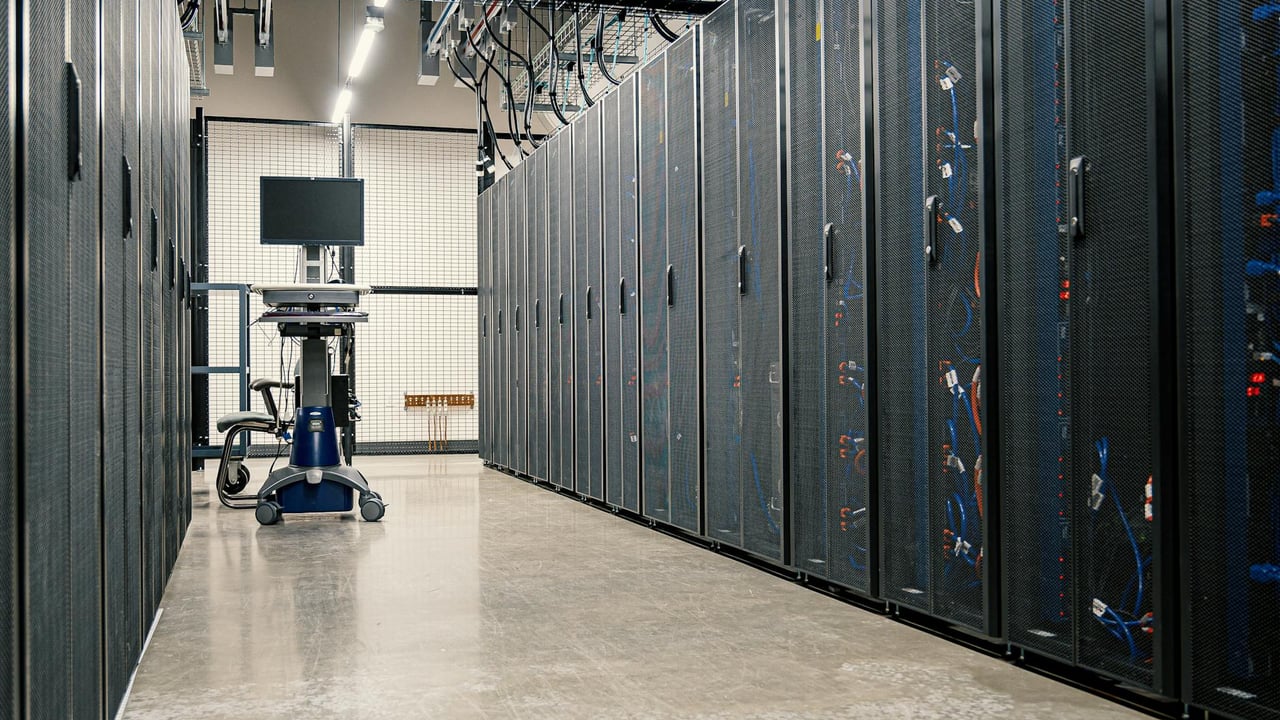

Kehua Data, a Chinese provider of data‑centre infrastructure solutions, has been shortlisted for a framework procurement project to supply air‑conditioning systems for the server rooms of central state agencies. The announcement, posted on the company's public account on March 10, signals that Kehua has passed the pre‑qualification stage for a high‑visibility government procurement intended to standardize cooling equipment across national government machine rooms.
Being named to a central government framework does not automatically translate into immediate orders, but it places the company on a shortlist from which agencies will draw when they place contracts. Framework agreements in China are used to speed up procurement, tighten technical and security standards, and give preferred suppliers a steady pipeline of potential work over the contract period.
The move underscores two intersecting trends in China’s infrastructure policy. First, the state has been consolidating procurement for critical facilities to improve resilience and ensure suppliers meet security and performance benchmarks. Second, demand for efficient, reliable data‑centre cooling is rising as public‑sector IT workloads expand and private cloud and AI infrastructure grow, raising the stakes for energy consumption and thermal management.
For Kehua Data the practical benefits are both reputational and commercial. Inclusion in a central framework enhances its credentials with other institutional buyers and can provide a predictable flow of tenders. It also signals that the company met procurement criteria that typically include technical specifications, cybersecurity considerations, compliance checks and pricing competitiveness.
The wider market implications are notable. Government frameworks tend to favor domestic vendors that can demonstrate supply‑chain traceability and compliance with national security rules, effectively raising barriers for foreign suppliers in sensitive segments. At the same time, standardized procurement can accelerate the adoption of more energy‑efficient cooling technologies, aligning government facilities with China’s broader energy‑use and carbon‑intensity goals.
Shortlisting is a strategic step rather than a final victory. Competitors remain in play, and the size and timing of actual orders will depend on agencies’ upgrade cycles and budgets. Nonetheless, the selection represents a small but clear example of how Beijing is shaping demand in critical infrastructure markets and how Chinese suppliers are positioning themselves to capture it.