

China’s equity market staged a risk‑on mid‑morning session on Tuesday, with the ChiNext index (创业板指) advancing more than 2% as investors rotated back into technology and hardware suppliers. The Shanghai and Shenzhen boards recorded combined turnover of about RMB 1.6 trillion in the first half of trading — roughly RMB 190 billion less than the previous day — even as more than 4,300 stocks gained, signalling very broad participation beneath the headline moves.
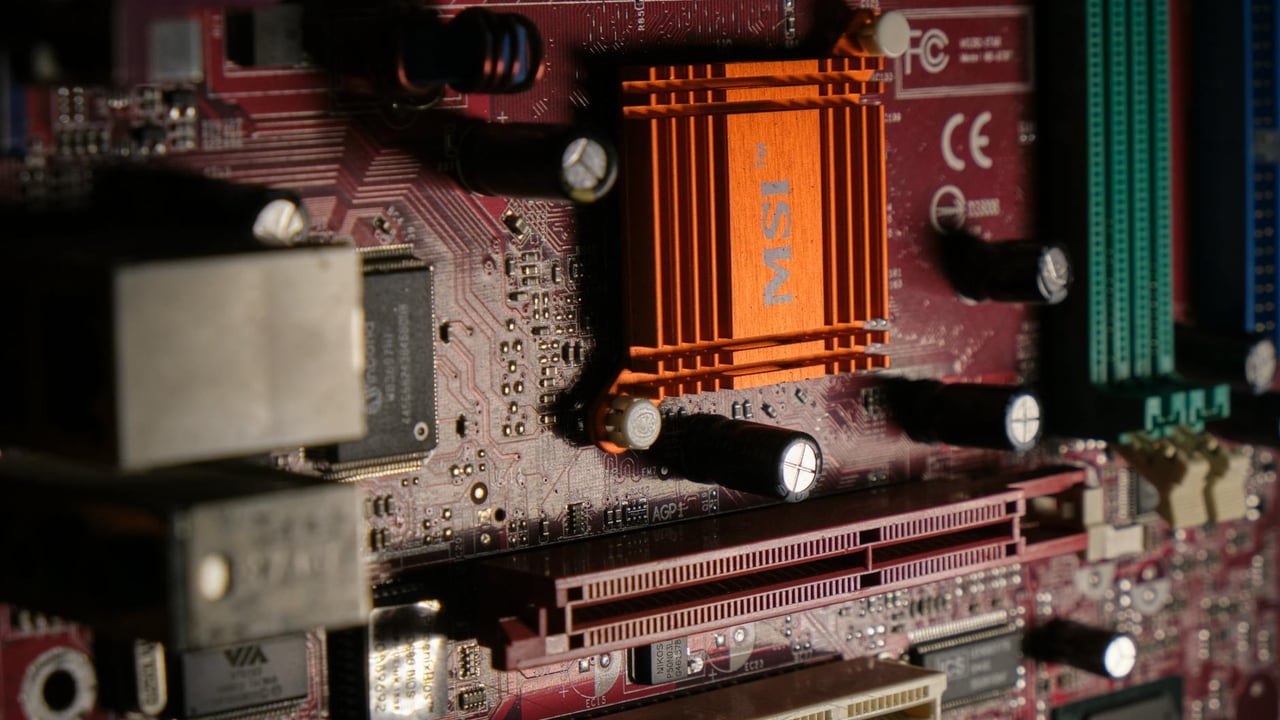
Segments tied to computing hardware drove the outperformance. The market “CPO” theme continued to gather momentum, and individual names such as Huilv Ecology (汇绿生态) and Ruisi Kangda (瑞斯康达) hit daily limit‑up. Printed circuit board‑related stocks (PCB) also staged a rebound, with Jin’an Guoji, Guanghe Technology and Xunjie Xing moving to limit‑up levels during the session. Smaller pockets, including commercial space suppliers and superhard materials, posted strong advances, with several stocks reaching trading limits.
Not all sectors participated. Oil and gas names underperformed sharply, with multiple energy stocks posting heavy losses and Continent Oil & Gas (洲际油气) touching a limit‑down. The contrasting sector performance left the Shanghai Composite up a modest 0.39% at mid‑day, while the Shenzhen Component rose 1.57%, ChiNext climbed 2.47% and the STAR Market composite gained 1.95%.
The rotation into hardware‑linked themes comes against a wider regional backdrop of early‑day gains in Asian markets and a pronounced drop in international oil prices, which together have reshaped risk appetites and pushed money into technology‑related exposures. Domestic flows appear selective: breadth was expansive, yet aggregate turnover contracted compared with the previous session, suggesting cautious participation even amid the rally.
For investors and industry watchers, the rally highlights two linked dynamics. First, demand prospects for compute‑related supply chains — from circuit boards to specialised components used in cloud and AI infrastructure — remain a leading market narrative, drawing short‑term capital into companies viewed as beneficiaries. Second, the weakness in oil and gas stocks underlines how swings in commodity prices and sentiment can swiftly reweight market leadership, particularly in a market where sector classifications and thematic trading often drive sharp intra‑day moves.
Looking ahead, the sustainability of the upturn will depend on whether earnings and macro signals reinforce the hardware narrative. Policymakers’ stance on market stability, any fresh data on export and industrial demand, and global commodity price trends will all be important for whether investors extend gains beyond a rotation and into a more durable cyclical recovery for Chinese tech and manufacturing suppliers.