
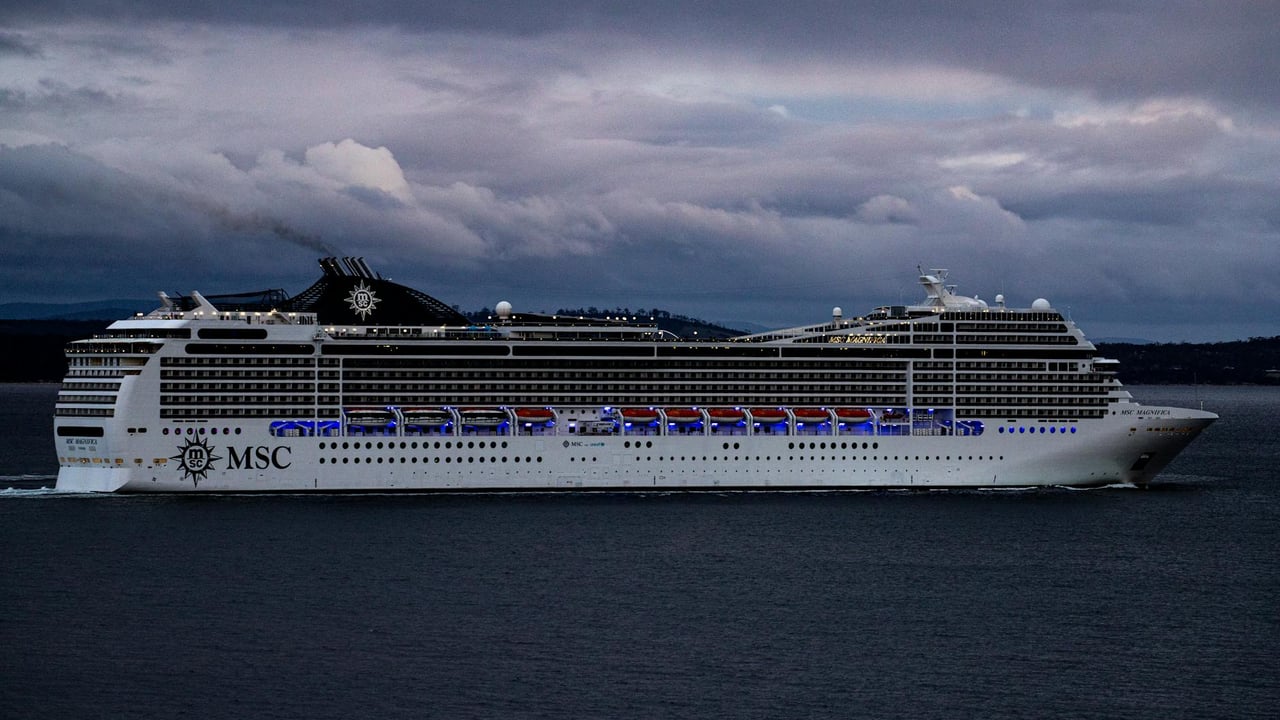

On March 9, 2026, China’s Ministry of Transport summoned senior representatives of Maersk Group and Mediterranean Shipping Company (MSC) to discuss their recent international shipping operations. The meeting, a formal administrative admonition rather than an immediate punitive measure, flagged concerns about how decisions by major carriers to suspend or reroute sailings were affecting Chinese exporters, importers and maritime safety.
The summons follows weeks of rising insecurity in key shipping corridors, notably the Persian Gulf and the Strait of Hormuz, where military escalations and threats to commercial shipping have prompted some lines to alter their schedules, levy surcharges or pause services. Maersk and MSC are the world’s two largest container carriers; their operational choices ripple through global supply chains, influence freight rates and shape port activity across Asia and Europe.
Beijing’s intervention is both practical and political. Practically, it aims to secure steady maritime access for Chinese trade and to press carriers to demonstrate contingency plans and safety measures for routes affecting Chinese cargoes. Politically, the ministry’s public engagement signals that foreign carriers cannot treat Chinese trade flows as peripheral to their risk calculations without Beijing taking an oversight role.
The move also underscores how states are reclaiming influence over commercial logistics in an era of geopolitical friction. With volatility in the Middle East raising insurance premiums and prompting route diversions, Chinese authorities are indicating they expect multinational shipping lines to factor China’s economic stability and national logistics interests into operational decisions.
For global shippers and downstream firms, the ministry’s action increases uncertainty about service continuity and cost trajectories. If carriers maintain route suspensions or impose surcharges, importers will face higher freight costs and longer transit times; if carriers resume normal operations under regulatory pressure, lines could absorb elevated risk or pass costs to customers later.
The immediate practical outcome of the talks was not disclosed beyond confirmation that the ministry held discussions. Still, the episode is significant: Beijing demonstrated a low-cost lever—administrative summons—to influence corporate behavior in a contested maritime environment, while reminding global carriers that access to China’s market and ports entails regulatory accountability as well as commercial negotiation.
Longer term, the incident may accelerate two trends. First, firms might diversify routing, rely more on insurance and hedging, or deepen relationships with regional carriers deemed less exposed to geopolitical risk. Second, China may use a mix of regulatory tools, port policy and diplomatic channels to shape how international carriers operate vis-à-vis Chinese trade, reinforcing the strategic convergence of trade security and state policy.
For an interconnected global economy, the message is clear: maritime commerce no longer exists in a policy-free zone. Shipping decisions made in response to security threats are now likely to draw state scrutiny and become part of broader geopolitical contestation over the rules and costs of global trade.