
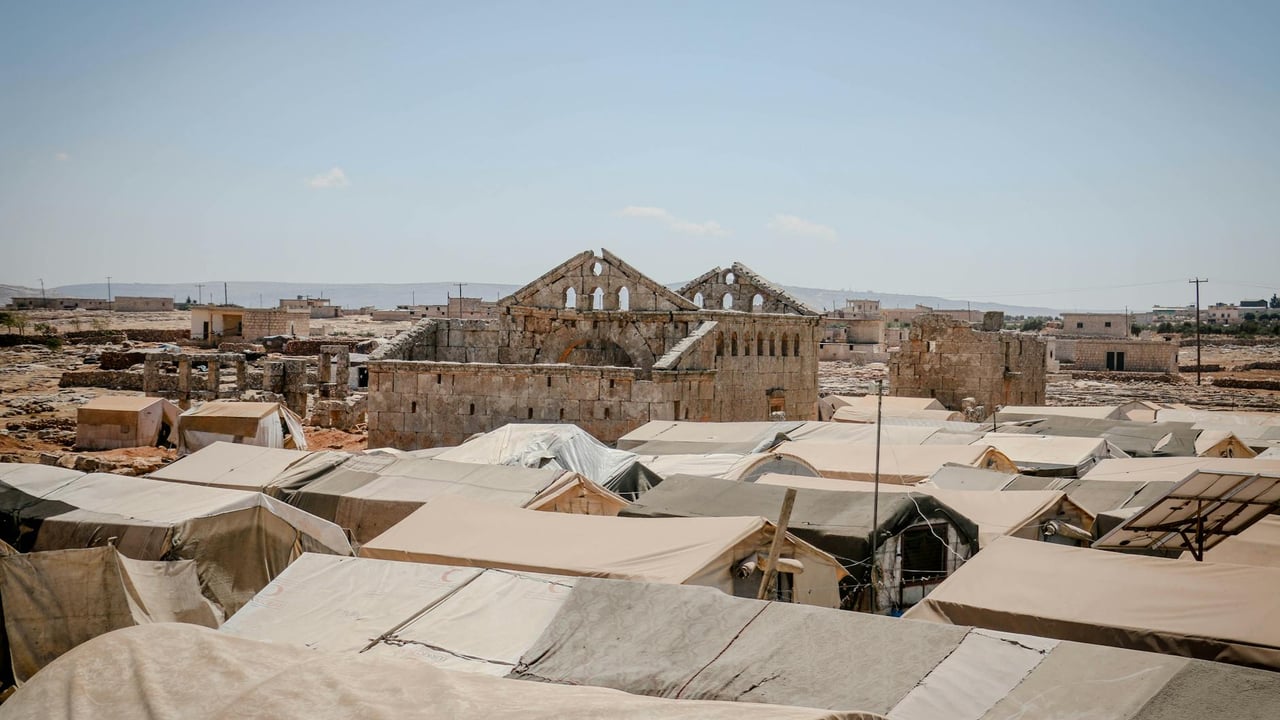

The United Nations refugee agency’s senior representative in Lebanon, Karolina Lindholm Billing, said that the number of internally displaced people inside Lebanon rose by roughly 100,000 within 24 hours, pushing registrations on the government’s online assistance platform past 667,000. The surge reflects a rapid deterioration in security and a sudden wave of population movement that humanitarian agencies are still trying to quantify and respond to.
UNHCR data cited by Billing show that about 120,000 people have been placed in government-designated shelters, while the remainder are seeking ad hoc accommodation with relatives, friends or simply sleeping in cars and on sidewalks. Such living conditions raise immediate protection concerns, particularly for children, people with disabilities and those needing medical care, and complicate delivery of food, water and sanitation services.
The displacement follows an escalation that began when Lebanon’s Hezbollah launched rocket fire into northern Israel on March 2, declaring the strikes were in retaliation for US and Israeli military actions against Iran. Israel has answered with heavy airstrikes across southern and eastern Lebanon and near Beirut, and has carried out ground operations in parts of the south, turning border towns into flashpoints and prompting residents to flee.
The humanitarian impact is sharpened by Lebanon’s pre-existing fragility: the state is already host to a large population of Syrian refugees, public services and infrastructure are strained, and the economy has been in crisis for several years. A fresh, large-scale displacement risks becoming protracted, stretching limited shelter, health and water systems and aggravating social tensions in communities that are already under pressure.
Beyond the immediate human toll, the spike in displacement underscores the broader regional risks of the current confrontation. Rapid population movements increase the urgency for unobstructed humanitarian access, for international funding and for diplomatic channels to prevent further escalation that could draw in regional powers. How quickly donors respond and whether warring parties allow safe passage for aid will be decisive for whether the displacement becomes a short-term shock or a long-term crisis.