
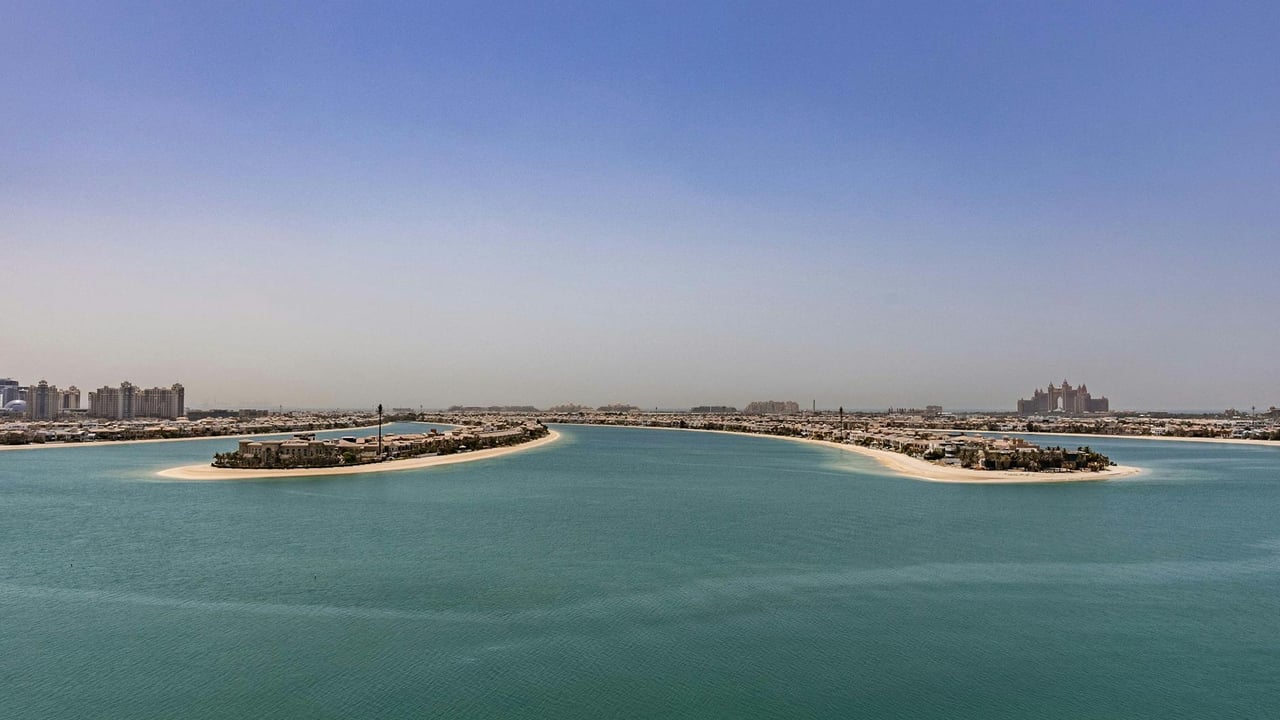

The U.S.-Israel confrontation with Iran has entered a second week and its reverberations are reshaping ordinary travel plans. Skirmishes, missile and drone exchanges, and resulting air-defence responses have forced temporary closures and created intermittent hazards for airports across the Gulf; on March 7 debris from an interception fell onto the grounds of Dubai International Airport and triggered an explosion that disrupted flights and sharpened travellers’ anxiety.
Several Chinese tour groups trapped in the region have already been brought home after extraordinary logistical efforts. Zhongxin Travel reported multiple groups arrived safely in Beijing on March 6, while a private operator, YouNaide Tourism, set up a 24/7 crisis unit and rerouted clients by land into Oman and onward via Addis Ababa to Beijing. Even passengers stranded aboard an MSC cruise were flown home — a demonstration of how industry contingency plans are being stretched into improvised evacuation operations.
A larger cohort of travellers, however, finds itself in a different kind of limbo: not stranded physically but mentally held hostage by uncertainty. Social media is full of questions from would‑be holidaymakers worried about transits through the UAE or Qatar, cancelled hubs, rising ticket prices for alternative routes, and non‑refundable bookings for hotels and tours. The fear here is diffuse and future‑oriented; it is not about an immediate blast but about the impossible calculus of “will it be safe?” and “will I be able to return?”
Airlines and regional carriers have already adjusted services: Turkish carriers extended suspensions on flights to Iran, Iraq, Syria, Lebanon and Jordan through early March, and some have cancelled Iranian routes into mid‑March. China’s foreign ministry continues to warn citizens against travel to areas affected by military activity, underscoring that the geopolitical shock remains fluid and will dominate routing decisions for the near term.
Faced with that fog, consumers are weighing the arithmetic of loss. Some travellers have swallowed small forfeits; others who bought cheap advance fares risk far larger sunk costs if they cancel. Chinese booking platforms and travel agencies have responded by widening refund and protection windows. Qunar moved affected hotel refund guarantees to March 15, and Ctrip expanded its protections and reports having recovered more than 200 million yuan for customers — a signal that platforms will absorb some of the short‑term pain to retain consumer trust.
Yet even the most aggressive corporate response cannot eliminate every exposure. Coverage cutoffs, marginal bookings outside policy windows and opaque channel rules mean a share of customers will be left “on the seam” between protection and loss. Travel firms’ most visible wins so far have been in evacuation and crisis logistics — for instance, YouNaide’s multi‑leg road and air relay that prioritised speed and safety over cost — but those feats are reactive and costly to deliver.
The episode is reframing what matters to outbound travellers and tour operators alike. In the weeks and months ahead, safety and contingency capability will no longer be an optional selling point; they will be central to travellers’ destination choices and to how agencies package, price and insure products. Stable, politically predictable destinations — and operators that can demonstrate robust crisis response — stand to gain market share as risk becomes a non‑negotiable attribute of travel.
For individual travellers the practical advice is mundane but urgent: reassess plans, track airline and consular notices closely, and prefer flexible tickets or travel insurance that covers geopolitical disruptions. For the industry, this shock is an expensive reminder that global tourism remains highly exposed to regional conflicts and that crisis readiness is now integral to commercial resilience.
None of this should obscure a wider truth: the costs of war are dispersed and asymmetric. Tourists carry financial and emotional losses, firms shoulder unplanned operational bills, and governments must manage consular evacuations while diplomatic channels labour to stabilise tensions. In that sense, the immediate winners are few and the long‑term fallout — in consumer confidence, insurance pricing and routing patterns — may be the most consequential legacy of this disruption.