
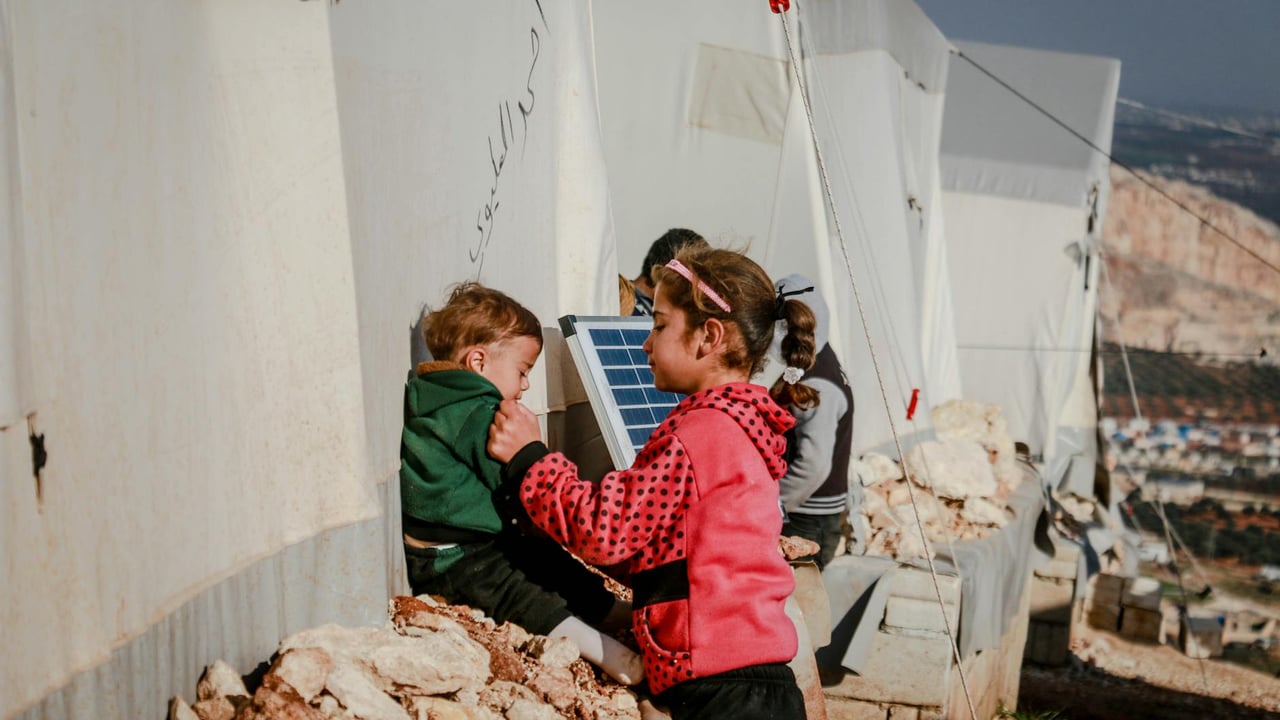

The United Nations refugee agency’s Lebanon representative reported a sudden and severe surge in internal displacement, saying some 100,000 people were newly displaced in Lebanon within 24 hours as fighting intensified. The government’s online registry now lists more than 667,000 people as displaced, and UN staff say roughly 120,000 have been placed in official shelters while many more are scrambling for ad hoc shelter.
Humanitarian teams describe scenes of people sleeping in cars and on sidewalks, and large numbers staying with relatives or friends while searching for somewhere more stable. The rapid influx is compounding an already acute humanitarian problem in a country that has long struggled with the social and fiscal effects of hosting large numbers of refugees from Syria and enduring a protracted economic crisis.
The latest wave of displacement follows a spike in cross-border hostilities. Lebanese Hezbollah fired rockets into northern Israel on March 2 in apparent retaliation for U.S. and Israeli strikes on Iran, prompting Israel to launch intense air attacks across southern and eastern Lebanon and around Beirut, and to undertake ground operations in the south.
The geographic spread of strikes—from the south up to the outskirts of the capital—helps explain why displacement is not confined to one region and why the numbers rose so sharply. Damage to housing and basic services, fear of further escalation, and the presence of unexploded ordnance are pushing civilians from both rural and urban areas into precarious conditions at very short notice.
The humanitarian implications extend beyond immediate shelter needs. Lebanon’s battered public services and cash-strapped municipalities lack the capacity to absorb large internal displacements, placing pressure on hospitals, water and sanitation systems, and food supply chains. International aid agencies face a familiar dilemma: urgent operational needs collide with constrained access and the political complexities of working amid active hostilities.
Politically, the events underscore Lebanon’s fragility. The Lebanese state’s limited capacity to protect civilians and prevent cross-border escalation amplifies the risk that a localized confrontation could widen, drawing in regional patrons and complicating diplomatic efforts to defuse tensions. For foreign donors and neighbouring states, the situation poses a stark choice between stepping up humanitarian support and seeking urgent conflict-deescalation measures.