
Technology & AI News
Latest technology & ai news and updates
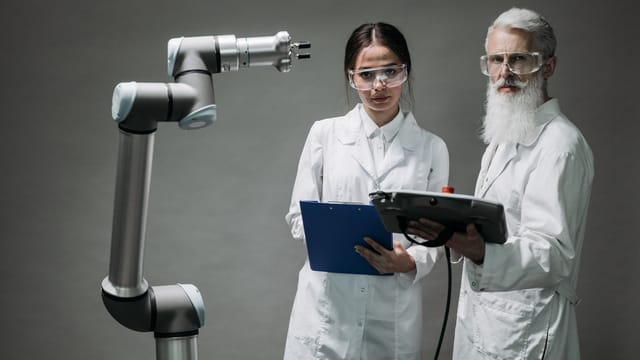
Cross-Strait AI Industry Development Alliance Established in Kunshan
A new platform aims to foster artificial intelligence and digital manufacturing collaboration across the Taiwan Strait.

Shenzhou-23 Astronauts Complete Spacewalk to Repair Solar Wings
The crew conducted China's second extravehicular repair on Tiangong's solar arrays and installed space debris protection hardware.
Tianjin Launches AI Content Competition in Beijing to Revitalize Cultural IP
Municipal authorities and major digital platforms solicit generative AI video and fiction projects backed by computing power and incubation support.
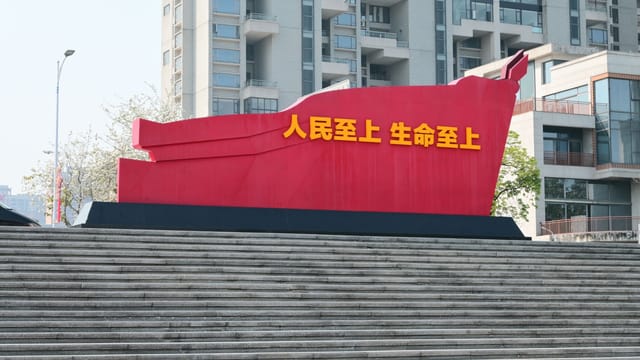
China Launches 24th Group of Low-Earth Orbit Internet Satellites
A Long March-12 rocket deployed the new satellite batch from Hainan's commercial spaceport into designated orbit.
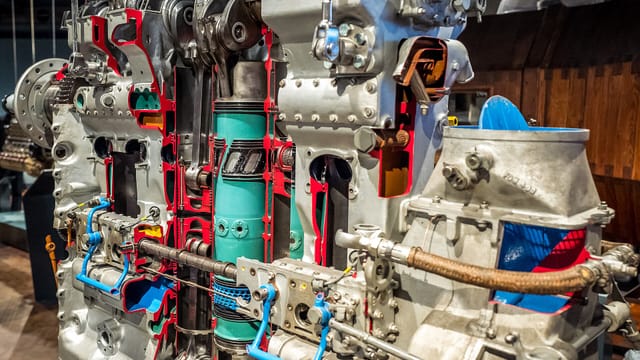
China Expands Academic Publishing Push to Build Top-Tier Scientific Journals
Policy support and research alliances drive domestic journals into top global rankings across STEM disciplines.
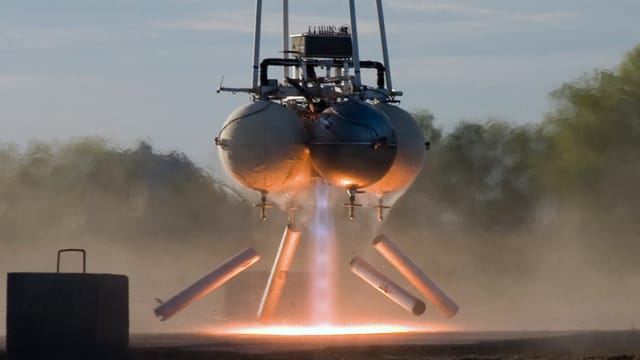
China Launches Long March 6C Carrier Rocket with Seven Satellites
The mission from Taiyuan Satellite Launch Center marks the 665th flight of the Long March rocket family.

Enterprise AI Expands into Core Workflows as China Software Sector Pivots to Native Systems
Enterprise software providers report surging subscription revenues as Chinese companies integrate autonomous AI agents into finance and supply chains.
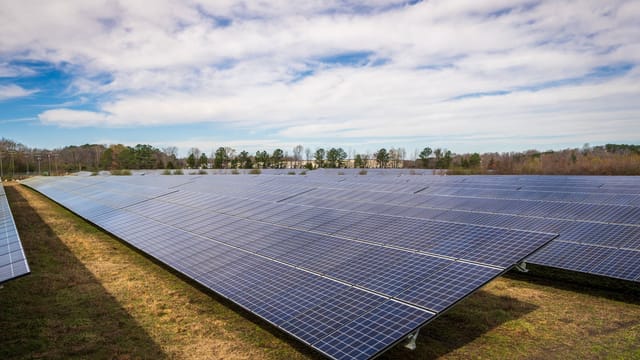
Research Maps Global Solar PV Waste Influx and Recycling Economics
A study led by Shandong University models decommissioned panels through 2060, projecting industry breakeven between 2035 and 2040 as waste shifts toward emerging economies.
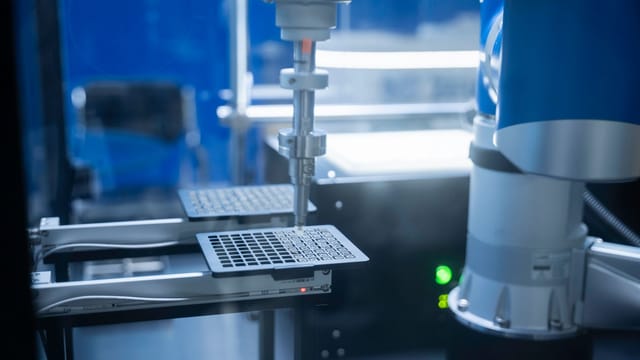
Over 98% of New Chinese Smartphones Support Beidou Positioning, MIIT Says
China's Ministry of Industry and Information Technology reports widespread consumer and industrial adoption of the domestic satellite navigation system.

Chinese Researchers Extend Quantum Memory Entanglement to 420 Kilometers
A research team achieves long-distance entanglement between cold-atom quantum memories, surpassing unrepeatered transmission limits.
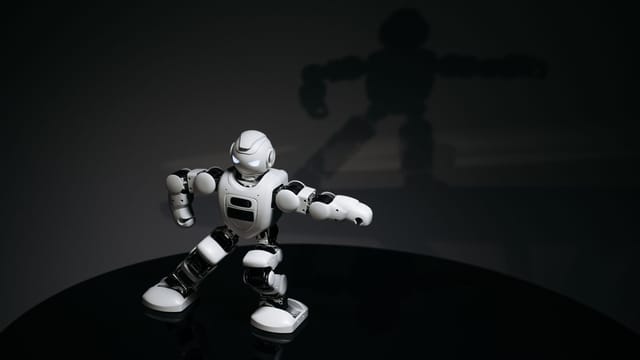
Beijing to Host Second World Humanoid Robot Games as Entries Quadruple
Over 2,000 robots from 16 countries will compete across 51 events designed to stress-test hardware and set industrial benchmarks.

China Accelerates Next-Gen Telecom Push Across 10G, 6G, and Satellites
Beijing pairs 10-gigabit optical pilots and 5G-A upgrades with a 2029 6G roadmap and expanding low-Earth orbit satellite constellations.