
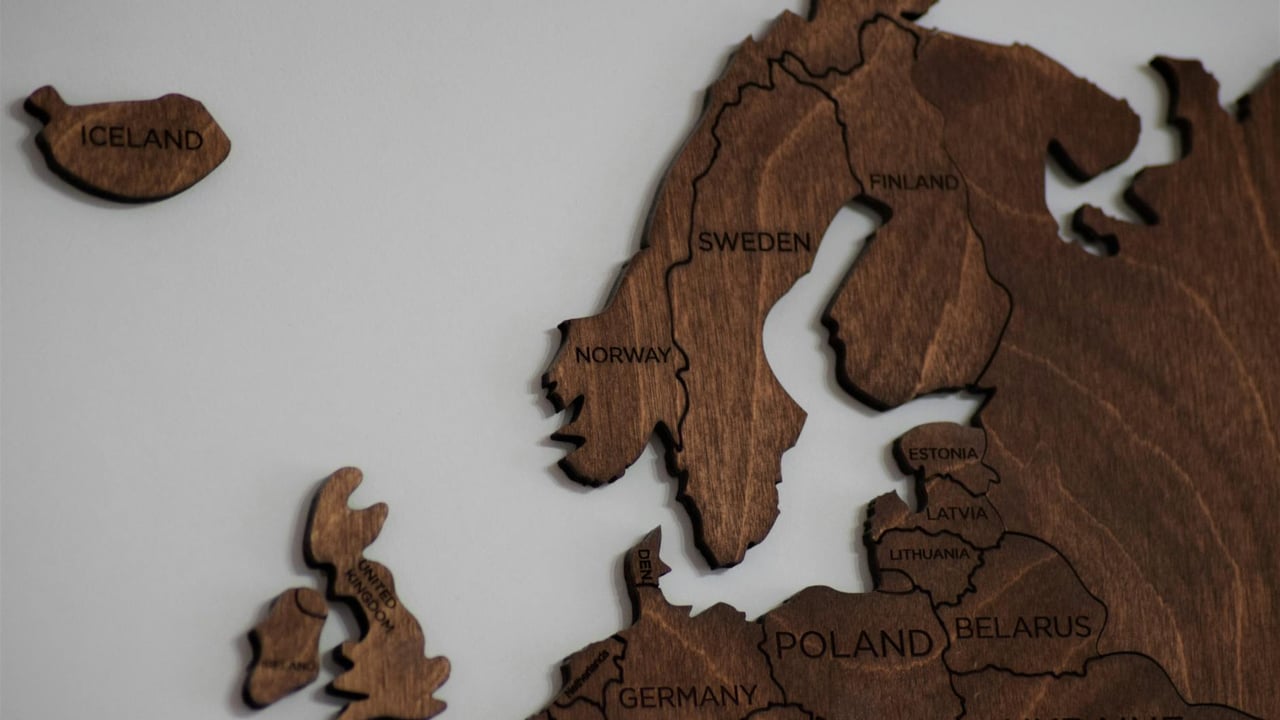

Iceland's foreign minister told an international outlet that Reykjavik could complete renewed accession negotiations with the European Union within roughly a year and a half, reopening a debate that has divided the island nation for more than a decade. The announcement comes ahead of a nationwide referendum set for August 29 that will ask voters whether to restart talks that Reykjavik suspended after a political sea change in 2013 (the minister’s name was given in the Chinese report as 索尔杰尔迪·卡特琳·贡纳尔斯多蒂尔).
Public opinion appears narrowly split: a recent Gallup poll cited in the report shows 52% in favour of resuming negotiations and 48% opposed. The minister said that even if voters back a relaunch in August, a second public vote would be required after negotiations conclude, meaning accession would remain contingent on two separate popular endorsements.
Iceland first applied for EU membership in 2009 in the wake of its banking collapse and formally opened accession talks in 2010. Those negotiations were put on ice after the conservative Progress and Independence parties won the 2013 election; Reykjavik later declared in 2015 that it would not reopen the process. Central to Icelandic resistance has long been the political sensitivity of surrendering control of fisheries, a cornerstone of the national economy, to the EU’s Common Fisheries Policy.
If Reykjavik were to re-enter negotiations and move swiftly to membership, the geopolitical and economic stakes would extend beyond Reykjavik’s coffers. Iceland is already integrated with Europe through the EEA and Schengen; full EU membership would restore the bloc’s presence in the North Atlantic and bring the union back to 28 members in the post‑Brexit era. But the timeline the foreign minister suggested is optimistic: accession requires unanimous approval by member states, complex alignment on fisheries and regulatory standards, and domestic ratification procedures that could include parliamentary votes or referenda in multiple countries.