Attack on Thai Freighter in Strait of Hormuz Raises Fresh Alarms for Global Shipping

A Thai cargo ship was attacked and set aflame in the Strait of Hormuz on 11 March; 20 crew were rescued and taken to Oman. The incident underscores continuing maritime security risks at a key oil transit chokepoint and could drive higher insurance costs, rerouting and calls for enhanced naval protection.

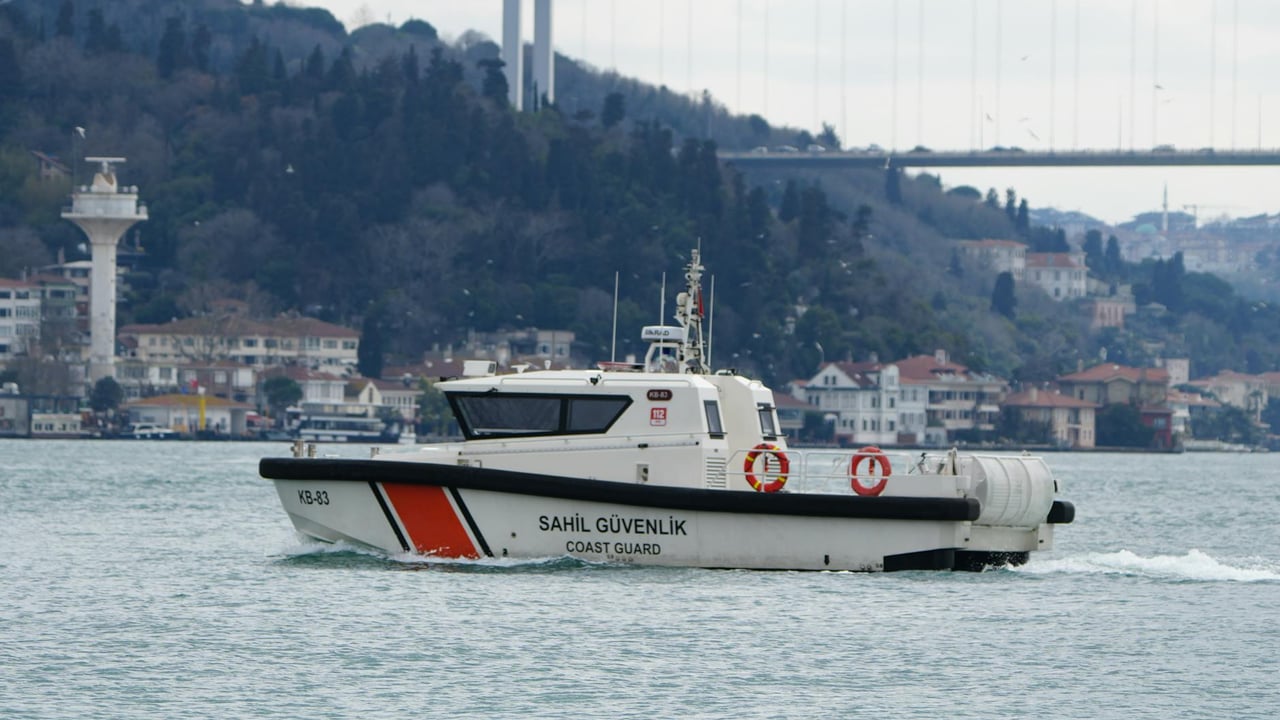
A Coast Guard patrol boat navigates the Bosphorus Strait in Istanbul, Turkey.

Key Takeaways

  • 1A Thai cargo vessel was attacked in the Strait of Hormuz on 11 March; 20 crew were rescued and moved to Oman.
  • 2Thai navy images showing the burning ship were released by Xinhua; no party has claimed responsibility and attribution remains unclear.
  • 3The Strait of Hormuz is a critical global energy and trade chokepoint; attacks there carry outsized commercial and geopolitical consequences.
  • 4Potential knock-on effects include higher insurance premiums, rerouting of ships, and pressure for multinational naval responses.
  • 5Thailand faces immediate humanitarian and diplomatic challenges while the incident adds to wider regional security anxieties.

Editor's
Desk

Strategic Analysis

This attack, while limited in immediate human cost, has disproportionate strategic significance because it strikes at a vital trade artery. Ambiguity over the perpetrator raises the risk of misattribution and escalation, pressuring littoral and distant states to respond with naval patrols, convoying or diplomatic measures that are costly and politically sensitive. For middle powers like Thailand the incident highlights a new dimension of risk projection: protecting nationals and shipping far from home without becoming entangled in Gulf rivalries. Economically, even sporadic incidents can reshape routing decisions and insurance markets, with cumulative impacts on shipping costs and energy prices that affect global consumers. The appropriate international response is likely to be incremental—improved information-sharing, targeted escorts for vulnerable shipments and tighter insurance protocols—rather than immediate military escalation, but the balance will depend on subsequent findings and whether similar attacks recur.

China Daily Brief Editorial
Strategic Insight
China Daily Brief

The Thai navy reported that a Thai-flagged cargo vessel was attacked and set ablaze while transiting the Strait of Hormuz on 11 March. Twenty crew members were rescued and evacuated to Oman, and navy-supplied images of the burning ship were distributed by state news agency Xinhua.

The attack occurred in one of the world’s most sensitive maritime chokepoints for oil and container traffic. Details remain scarce: the Thai navy’s notification did not identify an attacker, no group has publicly claimed responsibility, and there has been no immediate attribution by other governments. The vessel’s cargo, exact damage, and the current status of the ship have not been disclosed.

The incident amplifies longstanding concerns about the security of commercial shipping in and near the Gulf. The Strait of Hormuz sits between Iran and the Arabian Peninsula and handles a large share of global oil exports; past years have seen episodic attacks, mines and seizures involving both state and non-state actors. Each incident forces shippers, insurers and governments to reassess risk along a vital route.

For Thailand, the episode is a reminder that Southeast Asian seafaring interests are exposed to distant geopolitical tensions. Bangkok faces the immediate humanitarian task of accounting for crew welfare and the diplomatic task of coordinating with Oman and other Gulf states, even as it seeks to avoid escalation or entanglement in regional rivalries.

Commercial consequences would be felt beyond the immediate parties. A pattern of attacks or even a perception of rising risk can push up war-risk insurance premiums, encourage shipowners to reroute around the Cape of Good Hope, and reverberate through energy markets sensitive to supply disruptions. Multinational convoys or expanded naval patrols are possible policy responses, but they carry political and operational costs.

Investigations by maritime authorities and insurers will determine cause, method and liability; those findings will shape whether this episode becomes an isolated incident or a catalyst for broader security measures in the Gulf. Until then, the attack serves as a stark reminder that global trade still depends on vulnerable arteries where local confrontation can have outsized economic and diplomatic effects.

Share Article

Related Articles

📰
No related articles found