
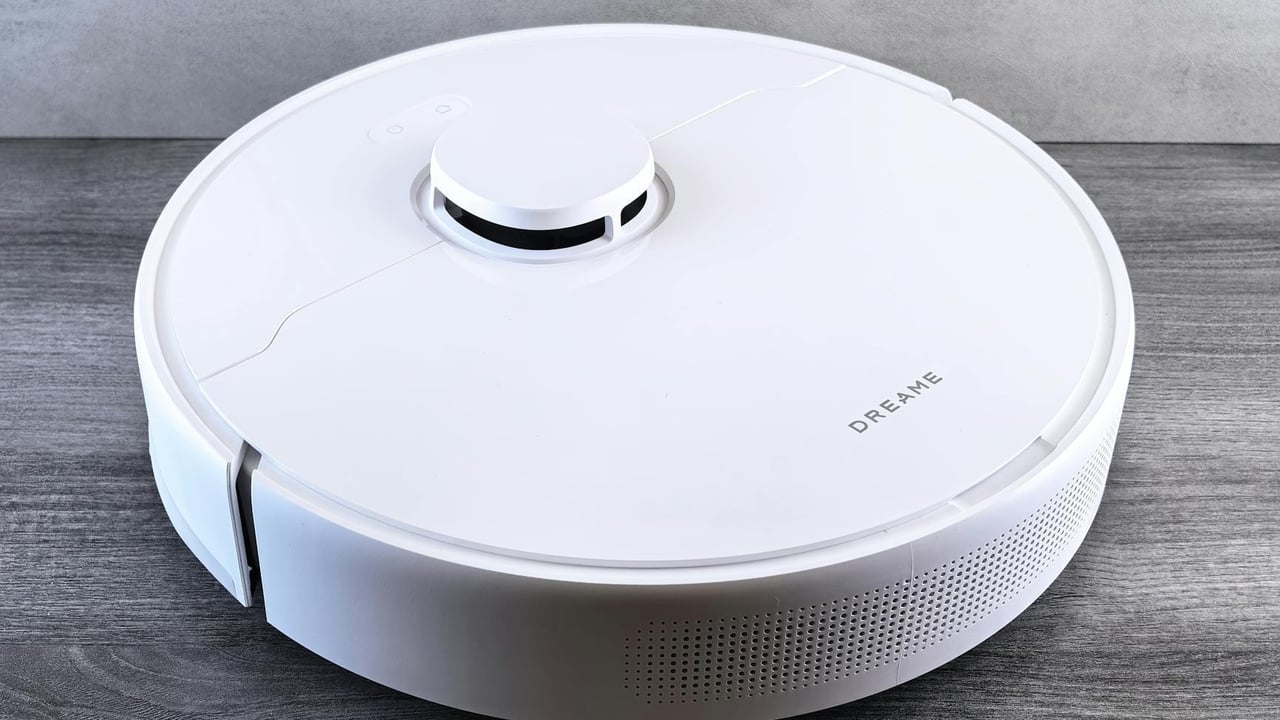

A year after a courtroom ruling on patents, China’s two biggest robot‑vacuum makers have taken their fight out of legal filings and onto the public stage. On March 10 Dreame’s internal supervision unit published an investigation alleging organised “water‑army” attacks that planted fake negative reviews and pro‑Ecovacs messages across e‑commerce and social channels. The charge escalates a feud that began as a technical dispute and has become a full‑scale battle over market share, reputation and the narrative of China’s smart‑home sector.
Dreame said investigators working with local authorities had identified paid online commentators who, without buying or using the products, posted copy‑and‑paste endorsements of Ecovacs models while denigrating Dreame offerings at about 3 RMB per comment. The company’s founder first raised public alarms on social media in late January, claiming coordinated smear campaigns and linking offending IP addresses to dozens of provinces. Ecovacs denied the accusations in a February statement, calling them baseless and warning it would pursue legal remedies; it has not commented on Dreame’s March filing.
The public spat is an extension of a 2025 patent battle in which Dreame won a first‑instance ruling that found Ecovacs liable and ordered roughly 8.87 million RMB in compensation. That judgment, and the counterclaims and recriminations that followed, set the stage for the present escalation from courtroom technicalities to virtual turf wars. The shift highlights how competition among major domestic players has broadened from product engineering to marketing tactics, platform influence and executive‑level branding.
The companies’ contrasting strengths help explain why the contest has become so heated. Ecovacs built its dominance on deep domestic roots: it accounted for roughly 30.4% of China’s online robot‑vacuum market in 2025 and shipped about 4.7 million units globally that year, with roughly 68–72% of its volume sold at home. That scale has delivered strong margins and a projected 2025 net profit of 1.7–1.8 billion RMB, driven in part by a high‑end product mix.
Dreame, by contrast, is an export‑led challenger. It derived close to 80% of revenue from overseas markets in 2025 and ranks first in market share across about 30 countries and regions, with particular strength in Europe. Global shipment figures show Dreame at roughly 3.4 million units in 2025, and IDC data suggest its overseas share outpaces its overall global share—evidence of a strategy built on international expansion rather than domestic penetration.
That international success has turned into an aggressive push to reclaim domestic ground. Dreame’s high‑visibility appearance at China’s 2026 Spring Festival Gala and the founder’s media‑savvy social posts drove a spike in search interest and platform orders, markedly raising brand awareness at home. The company has been rapidly upgrading products, expanding a full‑scene smart‑home ecosystem and building a founder‑centric public image—moves aimed at converting overseas momentum into domestic market share.
Yet important differences remain. Ecovacs’ entrenched domestic distribution, higher online share and more profitable product mix give it a substantial structural advantage in China. Dreame lags on domestic retail penetration, offline channels and brand premiuming—weaknesses it is trying to remedy with marketing and public outreach. Meanwhile Ecovacs faces the opposite challenge: strong home performance coupled with a relative inability to translate that into overseas market share.
The public dispute over paid online commentary matters for reasons beyond corporate pride. It signals a new phase in the maturation of China’s consumer‑robot industry, one where legal, marketing and reputational arsenals are deployed alongside product roadmaps. For consumers and regulators, the episode raises questions about platform governance, the integrity of user reviews and where responsibility lies when corporate conflict spills into the public square.
Investors and competitors are watching closely. If the feud deepens, expect more legal action, intensified marketing spends and a sharper battle over distribution channels and platform influence. Smaller rivals may find openings amid the noise, while global buyers will watch how the contest affects product availability, after‑sales service and ecosystem interoperability. Ultimately, the outcome will shape not just which brand leads in China, but which playbook governs the global smart‑cleaning market as it scales.