Tehran Mourns Senior Commanders After U.S.-Israeli Strikes, Raising Stakes in a Volatile Region

Tehran held a high-profile funeral on March 11 for senior Iranian commanders killed in U.S.-Israeli strikes on February 28, an event that blended public mourning with political signalling. The ceremony underscores heightened risks of regional escalation, potential shifts in Iran’s command and proxy tactics, and the broader diplomatic and security repercussions for the Middle East.

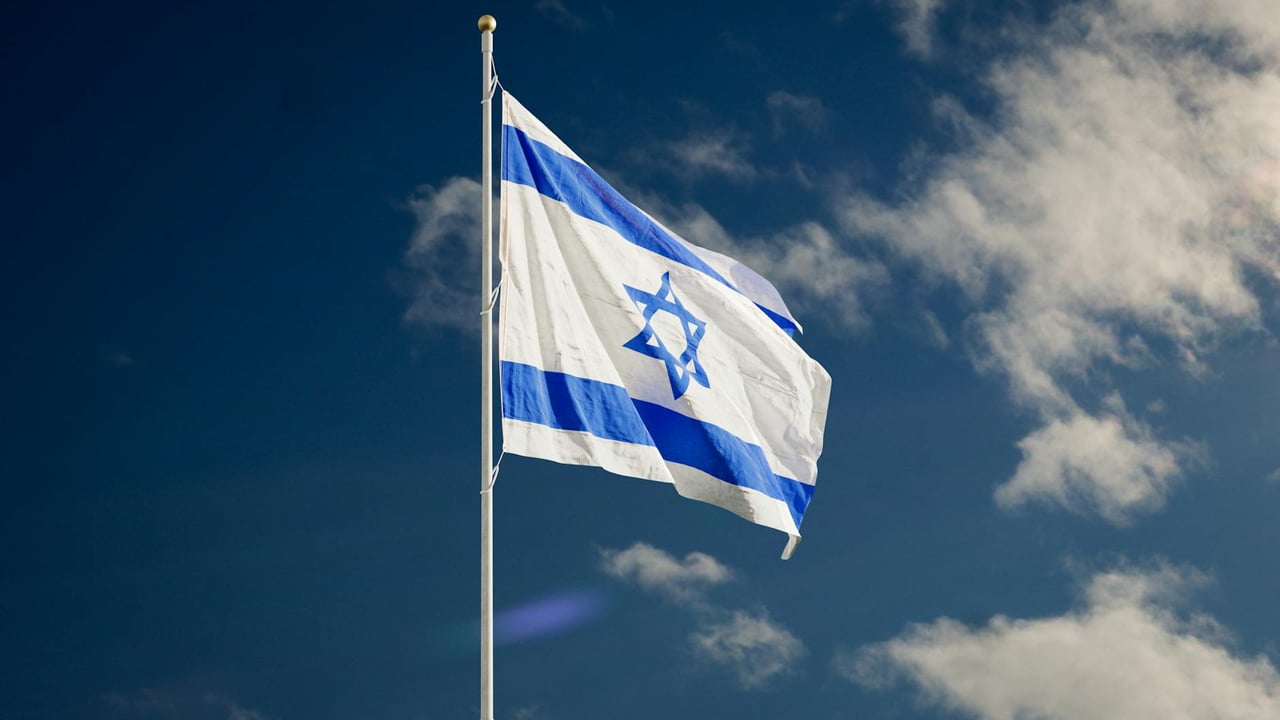
The Israeli national flag waving against a clear blue sky with clouds.

Key Takeaways

  • 1Iran held a public funeral in Tehran on March 11 for senior military commanders killed in U.S.-Israeli strikes on February 28.
  • 2The ceremony serves both as mourning and a political signal, bolstering domestic narratives of resistance and sacrifice.
  • 3The deaths could disrupt Iranian command networks while increasing the likelihood of calibrated retaliation through state or proxy channels.
  • 4Regional security, shipping lanes and diplomatic relations face heightened risk as actors reassess deterrence and signalling.
  • 5International attention will focus on Iran’s next moves and whether external powers can prevent a broader cycle of escalation.

Editor's
Desk

Strategic Analysis

The funeral is more than a ceremonial act: it is a strategic communication that compresses domestic politics, military consequences and international signalling into a single, visible moment. For Tehran, public commemoration consolidates internal legitimacy after a military blow and creates political space for measured retaliation without appearing weak. For Washington and Jerusalem, the event complicates deterrence calculus — any disproportionate response risks widening the conflict, while too little reaction may encourage further aggression. The most dangerous outcome is a slow-motion tit‑for‑tat: strikes, funerals, retaliatory attacks by proxies and further reprisals that incrementally drag regional actors toward a larger conflagration. Diplomats in Europe, the Gulf and beyond should prioritise back‑channel communication and crisis management mechanisms now, while energy markets and commercial shipping should prepare for periodic instability until clearer signalling limits are re-established.

China Daily Brief Editorial
Strategic Insight
China Daily Brief

On March 11, Tehran staged a public funeral for several senior Iranian military commanders killed in strikes launched by the United States and Israel on February 28. State media and photographers captured images of a sombre procession in the capital, a ceremony that mixed official ritual with displays of popular grief.

The procession served both as an occasion for mourning and a political signal. Funerals for high-ranking officers have long been used by the Islamic Republic to mobilize domestic support, reinforce narratives of resistance and sacrifice, and demonstrate regime resilience after battlefield losses.

The strikes at the end of February marked a significant escalation in a confrontation that has simmered for years between Tehran and its regional adversaries. Washington and Jerusalem framed the operation as a targeted response to perceived threats, while Iran’s leadership portrayed the dead as martyrs and vowed a measured but firm reaction. The public ceremony in Tehran is the first major visible act of state-level commemoration since the strikes.

The implications extend beyond ceremony. The deaths of senior officers have practical effects on the command structure, intelligence networks and the coordination of Iran’s regional proxies, potentially degrading capabilities in the short term while hardening attitudes. More immediately, funerals of this sort can crystallize public sentiment and provide authorities with momentum to justify retaliatory measures — whether direct, clandestine or channelled through allied militias across Iraq, Lebanon, Syria and Yemen.

For external actors, the event is a reminder that the risk of wider escalation remains tangible. Shipping in the Persian Gulf, diplomatic channels between Tehran and Western capitals, and the calculations of regional governments are all sensitive to shifts in deterrence and signalling. International actors will now be watching for changes in Iranian force posture, new proxy operations and diplomatic manoeuvres aimed at de-escalation or revenge.

In the weeks ahead, the funeral in Tehran will be read as both a moment of mourning and a strategic cue. How Iran translates domestic symbolism into policy — whether through restraint, calibrated retaliation or a combination of covert and overt actions — will shape the region’s trajectory and test the ability of external powers to contain an expanded confrontation.

Share Article

Related Articles

📰
No related articles found