

The 2026 World Economic Forum in Davos turned into an unscripted geopolitical theatre when President Donald Trump and a high-profile US delegation used the forum’s global audience to press a combative, transactional foreign policy. Mr. Trump’s marathon appearance focused less on technocratic economic prescriptions than on territorial claims, a US-led alternative to the United Nations and a blistering denunciation of European green energy policies. His performance — amplified by senior cabinet members who took to Davos stages in supporting roles — produced sharp ripostes from allied capitals and made what is usually a forum for consensus-building into a forum for open confrontation.
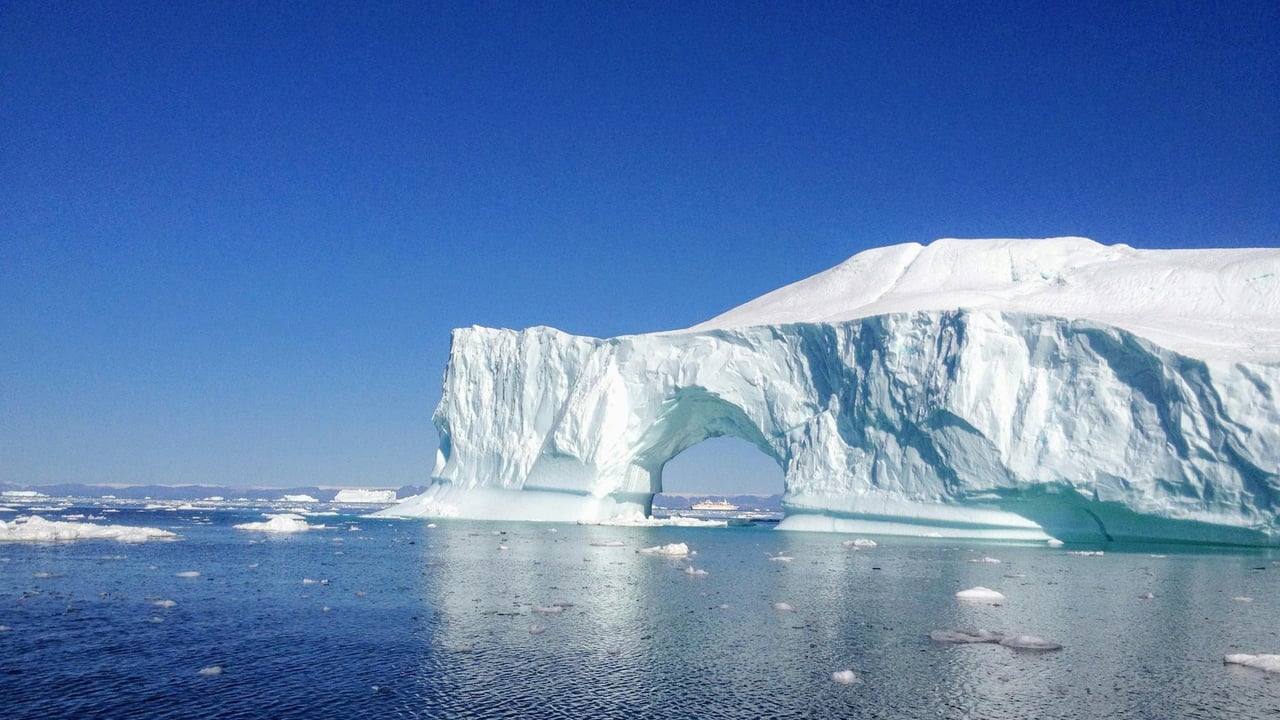
Trump’s demand that the United States be allowed to negotiate for Greenland — cast by him as a strategically vital piece of geography rather than a resource prize — was the most eyebrow‑raising moment. The president framed the island as essential to continental defence, invoking NATO burdens and historical grievances to justify a bilateral purchase negotiation with Denmark. He also unveiled a US-led "Board of Peace", a pay-to-play body chaired by him and pitched as an efficiency-driven alternative to multilaterial institutions — a structure that substitutes transactional membership fees and invitations for established norms of collective security.
Senior US officials at Davos carried the same themes in different tones. Treasury and commerce officials defended tariffs as an enduring "strategic" instrument and touted American energy and manufacturing as superior models to Europe’s green transition, while the secretary of state described new security talks with Arctic partners as technical groundwork to assuage allies' concerns. Commerce messaging was particularly confrontational, arguing that globalization had hollowed out Western middle classes and that sovereign control over critical industries must be restored — a line that channels domestic political pressures into foreign policy prescriptions.
The American show met unexpected and forceful resistance. In a pre-emptive speech the day before Mr. Trump’s address, Canada’s prime minister delivered what many in Davos saw as a direct rebuke, arguing that middle powers must avoid becoming instruments of coercive great-power politics and calling for a “third way” of value-based realism and strategic autonomy. European leaders and institutions — alarmed by Mr. Trump’s blow-by-blow critique of European energy policy and his claim to have wrested much bigger defence contributions from allies — signalled their displeasure through emergency meetings and public statements promising accelerated defence cooperation and industrial autonomy.
Davos exposed an unmistakable gap between Washington’s blunt, sovereigntist approach and an emerging European instinct to diversify and secure its strategic autonomy. Yet the fissures should not be mistaken for imminent collapse of the transatlantic order: Europe remains economically intertwined with the United States, militarily dependent in crucial ways, and institutionally constrained by decision‑making rules that limit rapid strategic realignment. Reports of ruptures therefore reflect an intensifying contest over how the Western alliance will adapt, not an immediate disappearance of the alliance itself.
For Beijing, the Davos skirmish offers both opportunity and restraint. Frictions within the Western camp create space for pragmatic bilateral cooperation between China and certain European capitals, as evidenced by recent high-level visits and trade agreements. But structural limits — Europe’s technological gaps in key sectors, its own governance hurdles and persistent security dependencies — mean that any reordering of global alignments will be gradual and contested rather than sudden.
The Davos episode matters because it signals a deeper shift in how great powers are willing to pursue influence: transactional clubs, tactical coercion through trade and energy leverage, and personalised diplomacy led by dominant political figures. These trends portend a more fragmented global governance landscape in which multilateral institutions find themselves side‑lined by ad hoc, high‑stakes initiatives. Policymakers should watch whether these patterns entrench themselves into durable strategy or remain episodic performances tied to a particular US administration’s personality and electoral imperative.