

The International Energy Agency on March 11 authorised the release of 400 million barrels of emergency oil stocks — the largest coordinated drawdown in its history — but international crude prices still jumped sharply as markets weighed the prospect of supply disruptions through the Strait of Hormuz.
By the Asia trading session on March 12 Brent rose almost 8% to about $99.18 a barrel and US crude climbed over 7% to roughly $92.43. Those moves followed near‑3% gains the previous day, underscoring that traders are pricing a substantial risk premium despite the emergency release.
IEA members — 32 countries in total — voted unanimously to tap emergency reserves, drawing from a pool of more than 1.2 billion barrels of emergency stockpiles and some 600 million barrels of government‑obligation industrial inventories. The decision is intended to steady supply and signal cohesion among consuming states as regional tensions flare in the Middle East.
Political coordination extended beyond the IEA. G7 energy ministers issued a joint statement backing active steps to stabilise markets and pledged close coordination with the IEA and its members. Japan’s prime minister, Sanae Takaichi, said Tokyo would move its national reserves as early as March 16 and announced a domestic objective of keeping average retail gasoline prices near ¥170 per litre if crude continues to climb.
Rising oil has already fed through to consumer fuels and business costs, particularly in the United States. The US Department of Energy warned that gasoline and diesel prices may not return to pre‑conflict levels until mid‑2027, and official data showed US gasoline rose 19% over the past two weeks to $3.50 per gallon while diesel surged 28% to $4.86 per gallon. Higher fuel costs threaten to lift expenses across trucking, agriculture, aviation and retail.
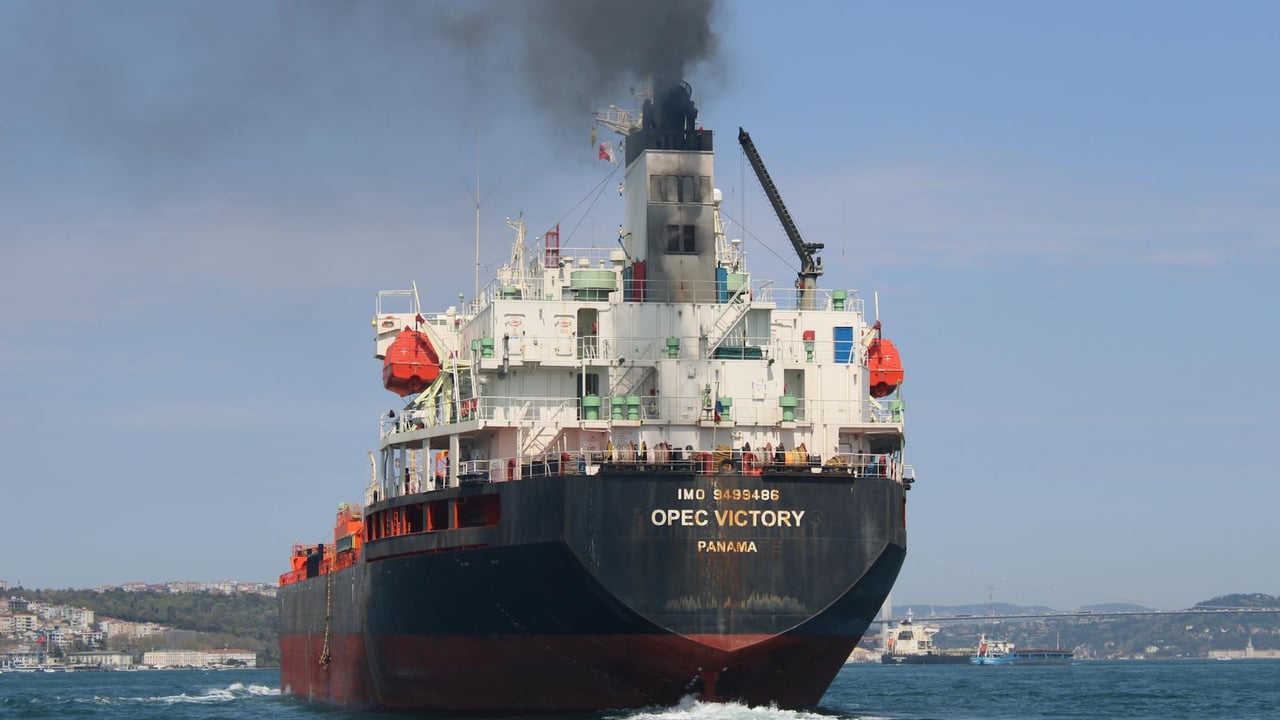
The market’s muted reaction to the IEA release reflects a deeper headache: the security of shipping through the Strait of Hormuz. A recent UN Conference on Trade and Development analysis warned that a closure of the strait would pose a major risk to global trade and development, and shipping transits through Hormuz have already slowed markedly. Iran’s Revolutionary Guard has reiterated its claim to absolute control of the strait, and the US Central Command has issued warnings to Iranian civilians to steer clear of naval facilities amid reports of attacks on ships.
A 400‑million‑barrel release, while politically significant, amounts to only a few days of global oil consumption — a scale that markets see as insufficient to offset a prolonged or acute closure of a chokepoint that handles a sizeable share of seaborne crude exports. Deliverability, timing and market perception matter: pledged barrels must be physically freed, loaded and delivered, while insurers, traders and refiners price in the possibility of further escalations.
For now the release is as much a political signal as a technical fix. It demonstrates collective resolve to avoid panic and shore up supplies, but it cannot erase the underlying geopolitical risk that has reintroduced a persistent premium into oil markets. Traders and policymakers will be watching subsequent diplomatic moves, naval postures and any further coordinated releases — all of which will determine whether this episode becomes a short shock or the start of a longer period of higher energy prices.