

A burst of diplomatic hedging by Washington and Tel Aviv has done little to stem the economic shockwaves from a widening confrontation with Iran. President Trump’s public pledge to “end” military action at an unspecified moment, and Israel’s foreign minister saying it does not seek an open-ended war, briefly calmed a panic in energy markets. Oil, which had spiked to about $119 a barrel, reversed sharply on the news, with U.S. crude falling as much as 19 percent intraday on March 10.
The reprieve was short-lived. Iran’s Revolutionary Guard declared that any cessation of hostilities would be up to Tehran, and Iran resumed mine-laying in the Strait of Hormuz — one of the world’s most important oil choke points. The resumption of direct threats to tanker traffic quickly pushed Asian fuel prices back up and underlined how fragile any de-escalation has been.
Markets have already suffered dramatic moves in March. The Baltic Dry Index, a gauge of global shipping costs, surged by more than 50 percent, while WTI and Brent climbed roughly 29 percent and 25 percent respectively before the intra-day rout. Stock markets suffered broadly: the biggest visible casualty was South Korea, where a two-day rout erased what the article describes as 630万亿 Korean won (reported as roughly 3 trillion renminbi) from market capitalisation and drove the KOSPI down more than 11 percent by March 10.
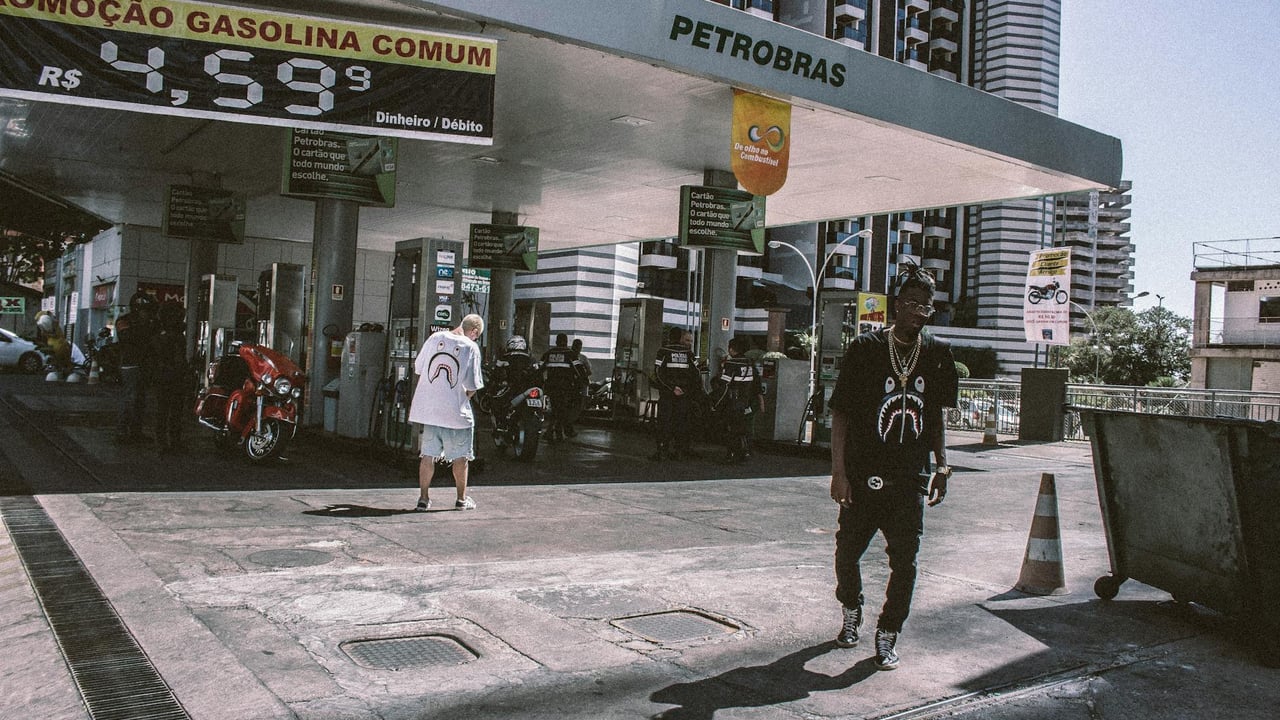
South Korea’s pain illustrates the real economy consequences. Retail pump prices have jumped sharply; average gasoline in March reached about 1,907 won per litre, and some Seoul stations were charging 2,598 won. Seoul has moved to intervene directly in domestic fuel markets for the first time since the 1997 liberalization, setting two-week price ceilings for refinery wholesale prices and offering state compensation to refineries that lose money under the caps. The government has also secured 6 million barrels from the UAE, but with only a roughly 208-day reserve, continued Strait of Hormuz disruption would strain supplies.
The shifts are reverberating through geopolitics as well as markets. Four years into the war in Ukraine, Washington’s focus on Iran reduces the intensity of U.S. support for Kyiv, a dynamic Moscow welcomed. Russia has seen a windfall from higher crude prices even as western export controls remain in place; New Delhi has been a key buyer, with U.S. allowances enabling India to lift stranded cargoes of Russian oil. That combination has flipped Russian crude from a discount to a small premium against Brent in early March, turning sanctions into a mixed blessing.
President Vladimir Putin has signalled openness to longer-term gas and oil ties with Europe if Brussels is prepared to decouple energy procurement from politics, while also courting Asian buyers. The practical upshot: elevated oil and gas prices strengthen Moscow’s leverage and complicate western sanctions, even as European import diversification remains incomplete.
For Washington and its partners, the central dilemma is twofold. First, the original objective—regime change in Tehran—has become harder to justify politically if the declared goals shift and the economic penalties bite markets and allies. Second, until a credible, verifiable halt to hostile actions in the Gulf is achieved, energy markets will remain vulnerable to spikes that feed through to consumer prices, fiscal stress and financial-market corrections. That dynamic hands leverage to oil and gas suppliers, whether in Russia, the Gulf or opportunistic buyers such as India and South Korea, and makes a quick return to stability unlikely.