
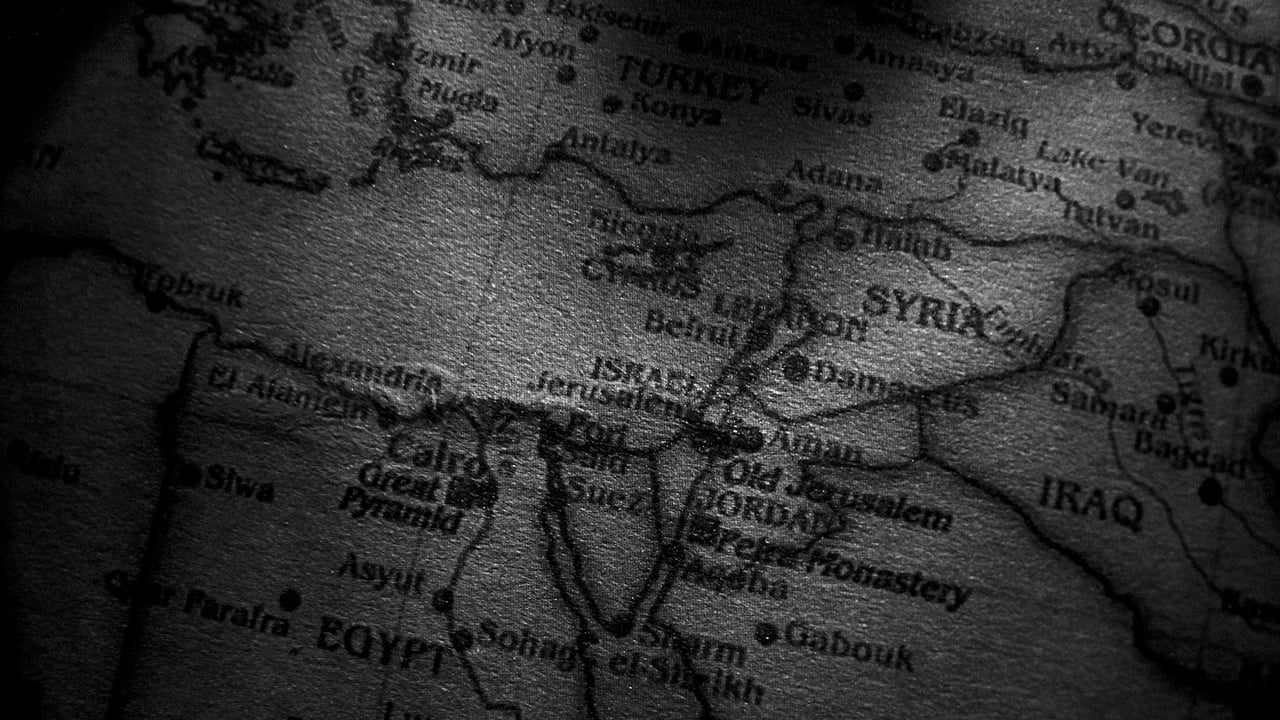

French president Emmanuel Macron on the evening of March 11 pressed both sides of the Lebanon–Israel flare-up to step back from a wider war. After a phone call with Lebanese president Joseph Aoun, Macron publicly called on Israel to "clearly renounce" any ground invasion of Lebanon and demanded that Hezbollah "immediately stop its attacks," posting the appeal on the social platform X.
The appeal came as Israeli strikes continued against Hezbollah positions and as Lebanon’s southern suburbs around Beirut reported a fresh round of air raids that same night. The violence traces back to March 2, when Hezbollah launched attacks on Israeli territory; since then Lebanon has been pulled into a broader confrontation that risks drawing in regional proxies and neighbouring states.
Macron also told reporters he had spoken with Ahmad Shala, president of Syria’s transitional government, who he said voiced support for Beirut’s efforts to restore full state control over its territory. Paris described Shala’s stance as markedly different from the past and as a potential guarantee of a healthier, more constructive relationship between Damascus and Beirut.
The new diplomatic activity coincided with tensions between Damascus and Hezbollah: Syrian authorities denounced Hezbollah for firing into Syrian-controlled areas the previous night, and Beirut and the Syrian transitional government agreed on March 10 to strengthen control along their shared border. Those developments underscore how the fighting along the Israel–Lebanon line is rippling across adjacent frontiers and realigning local interactions.
France’s intervention is significant for several reasons. Paris has long-standing political and military ties with Lebanon and views itself as a mediator and security-broker in the Levant; Macron’s public intervention aims to deter an Israeli ground incursion that would risk substantial civilian casualties and a wider regional conflagration. At the same time, pressing Hezbollah to halt strikes shifts some diplomatic responsibility onto the Iran-backed militia, which remains the most significant non-state military actor inside Lebanon.
The situation remains volatile. A formal Israeli decision to invade Israeli-border areas of Lebanon would instantly enlarge the theater of war, complicate humanitarian access in a country already strained by economic collapse, and raise the prospect of deeper Iranian involvement. Conversely, Hezbollah’s continued strikes keep pressure on Israel to respond, locking both sides into a tit-for-tat dynamic in which accidents or miscalculations could escalate rapidly.
Western capitals — especially Paris and Washington — will now weigh how far to push diplomacy versus deterrence. Macron’s calls are calibrated to buy time and reduce immediate cross-border escalation, but they offer no guarantee that either Israel or Hezbollah will change operational plans. The involvement of Damascus, however tentative, could complicate international efforts to isolate or punish Hezbollah if Syrian cooperation becomes a bargaining chip in diplomatic negotiations.
For Lebanon, the stakes are existential: renewed ground combat would further erode state institutions, displace civilians, and deepen a humanitarian emergency in a country already reeling from economic collapse and political paralysis. International appeals like Macron’s may help avert the worst outcomes in the short term, but absent a diplomatic framework that addresses the underlying drivers — Hezbollah’s armed autonomy, Israeli security concerns, and Iranian regional influence — the risk of recurrence will remain high.