
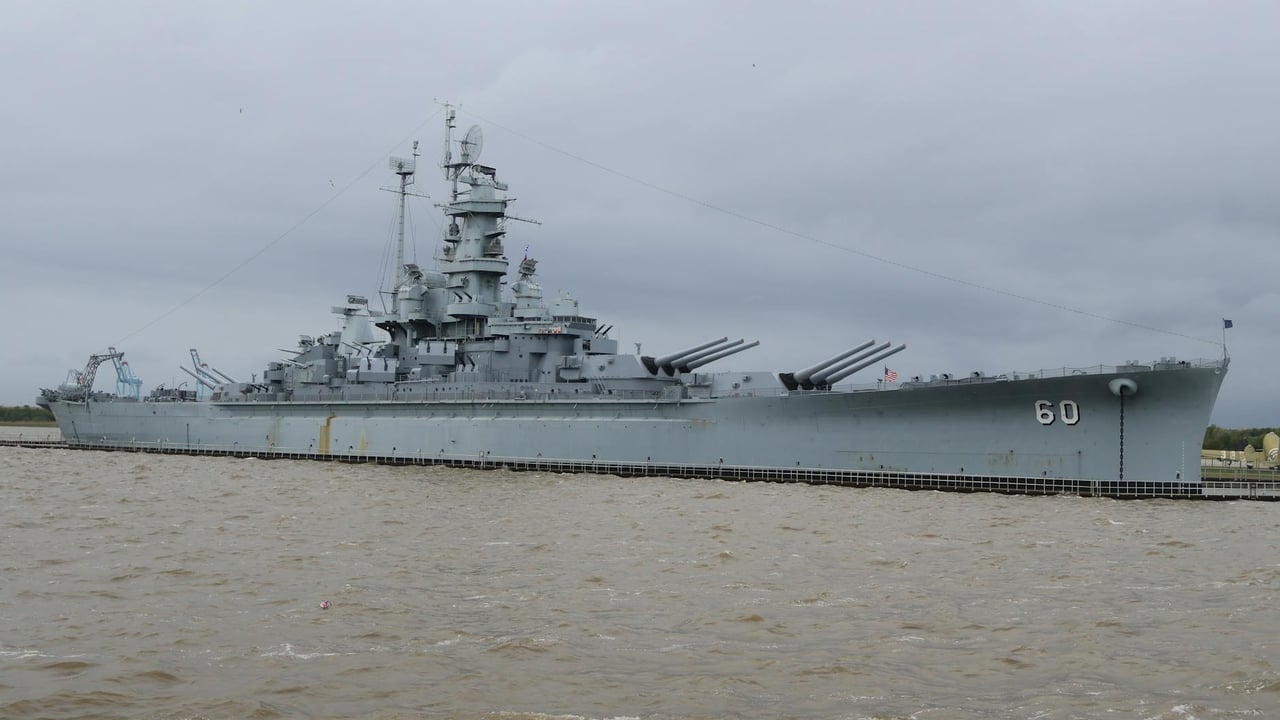

A small fire broke out aboard the US Navy’s newest aircraft carrier, USS Gerald R. Ford, on 12 March while the ship was operating in the Red Sea, the Navy’s regional command said. The blaze originated in a shipboard laundry and was brought under control, while two sailors were injured and are receiving medical treatment.
U.S. Naval Forces Central Command said the carrier’s propulsion system was not damaged and the vessel remains fully operational. Officials have so far described the incident as contained and localized to the laundry space, but provided few additional details about the causes or the severity of the sailors’ injuries.
The timing and location of the incident are notable. The Gerald R. Ford is currently deployed to the Red Sea in support of operations directed at Iran, part of a broader US maritime posture that has increased in the region amid heightened tensions. The carrier, a nuclear-powered capital ship and the namesake of the Ford class, is a conspicuous symbol of US power projection far from home waters.
Even small onboard fires on large warships attract outsized attention because of the potential for escalation into more serious damage and because they raise questions about readiness. The Ford has a high-profile recent history: years of technical teething problems, expensive retrofits and intense public scrutiny over cost and reliability. That pedigree magnifies any incident, however minor, in the eyes of policymakers and adversaries alike.
For now the operational impact appears limited: the carrier remains capable of fulfilling its mission and there is no indication of a broader safety or engineering failure. Nevertheless, the episode underscores persistent vulnerabilities in complex naval platforms and highlights how even routine mishaps can have strategic resonance when they occur amid active operations and delicate regional dynamics.
The Navy will likely investigate the cause and use the findings to refine damage-control procedures and maintenance priorities. In the shorter term the incident is unlikely to alter the US presence in the Red Sea, but it will feed domestic and international debate over the cost, complexity and dependability of the latest generation of American carriers.