
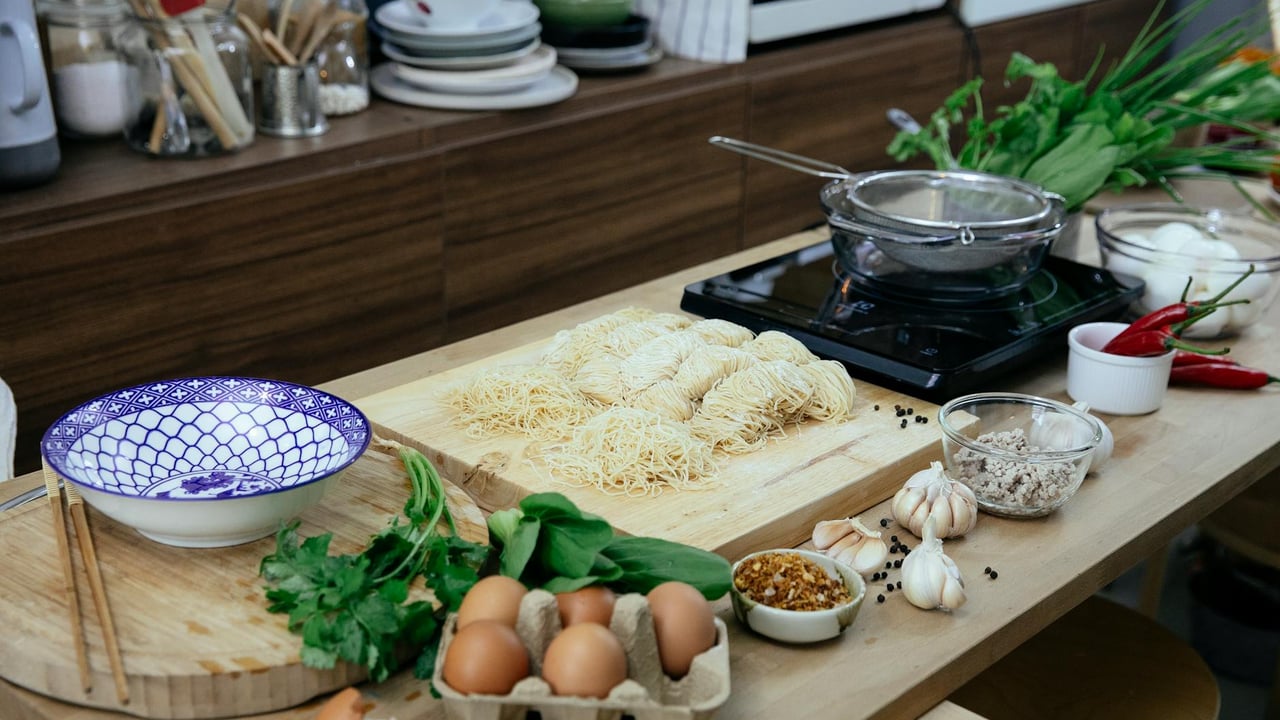

A wave of consumer buying is sweeping India as households rush to purchase electric cookers amid fears that conflict in the Middle East could choke liquefied petroleum gas (LPG) supplies. Online marketplaces from Amazon India to Flipkart, Blinkit and Zepto report rapid sell-outs of induction hobs, rice cookers and electric pressure cookers, while bricks-and-mortar chains say new stock will take days to arrive.
India, the world’s second-largest importer of LPG, has moved to shore up household gas supplies and activated emergency measures to protect domestic consumption. The measures have done little to calm commercial users: canteens, hotels and restaurants are reporting tighter access to cylinders and bulk deliveries, heightening worries about service disruptions in the food sector.
Retail data show the scale of the consumer shift. Amazon India’s sales of induction cookers spiked by more than thirtyfold, while rice cookers and electric pressure cookers rose roughly four times, prompting stockouts across multiple e-commerce listings. The surge looks less like a gradual change in consumer preference and more like precautionary hoarding driven by price and availability anxiety.
The immediate cause is geopolitical. Fighting in the Middle East and heightened risk to shipping through chokepoints such as the Strait of Hormuz have fed concerns about fuel shipments and insurance costs, with India particularly exposed because of its heavy LPG import dependence. Short-term disruption or price spikes could push households and businesses to seek electric alternatives, even where infrastructure and affordability remain constraints.
The domestic implications are layered. A sudden, large-scale switch from gas to electric cooking would increase peak electricity demand and stress urban grids, while also creating a market shock for small appliance makers and retailers struggling to keep pace. For poorer households the switch may be out of reach: induction hobs and reliable electricity are costlier than subsidised cylinder gas in many parts of the country, creating a patchwork of vulnerability.
Beyond immediate shortages, the episode highlights a longer-term policy question for New Delhi: how to reduce energy import vulnerability while managing affordability and infrastructure limits. Accelerating electrification of cooking could reduce reliance on imported LPG over time, but it will require coordinated investment in distribution, subsidies, and appliance affordability, or else risk exacerbating social inequality and inflationary pressure in the food service sector.