
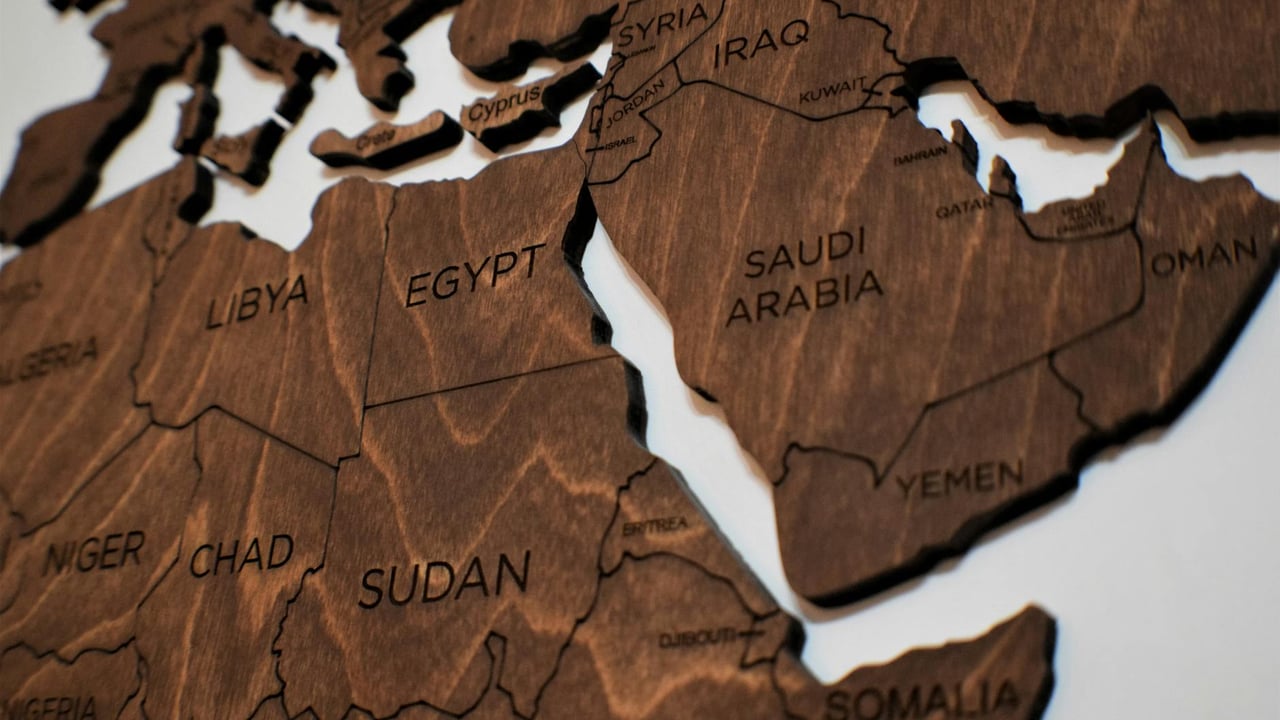

Israel’s armed forces are engaged on multiple fronts as a wider regional confrontation intensifies. The Israeli military is conducting operations against adversaries to the south and north simultaneously, testing its logistics and command-and-control while attempting to blunt coordinated attacks that originate beyond Gaza and Lebanon.
Iran has continued a campaign of strikes that extends beyond immediate battlefields and into the Gulf, projecting power with missiles, drones and proxy forces. Tehran’s pattern of action appears designed to punish and deter Israeli operations while signalling to Gulf capitals and Washington that escalation carries regional costs.
Several states in the Gulf have been struck in recent operations, forcing governments to rely more heavily on air-defence networks, heightening civil-protection measures and reconsidering maritime security arrangements. These attacks are aggravating an already fragile security environment in the Strait of Hormuz and the wider Arabian Sea, with implications for shipping lanes and global energy markets.
The tactical picture on the ground is complicated: Israel is balancing offensive initiatives with defensive needs at home, while Iran and its allied militias calibrate strikes to widen the conflict without triggering a full-scale interstate war. That balance is fragile; miscalculations or a significant strike on critical infrastructure could produce rapid escalation beyond current thresholds.
For external actors, the situation presents dilemmas. The United States and European partners face pressure to support Israel’s defence while avoiding direct confrontation with Iran, and Gulf monarchies must weigh public security needs against economic ties with Tehran. Arab capitals are increasingly forced into hedging strategies that mix security cooperation with diplomatic restraint.
The short-term outlook is for continued, episodic exchanges and an elevated risk of spillover incidents. Unless diplomatic channels are reopened and credible de-escalatory measures are agreed, the region looks set to endure a period of sustained instability with material effects on markets, military postures and civilian life across the Gulf and Levant.