
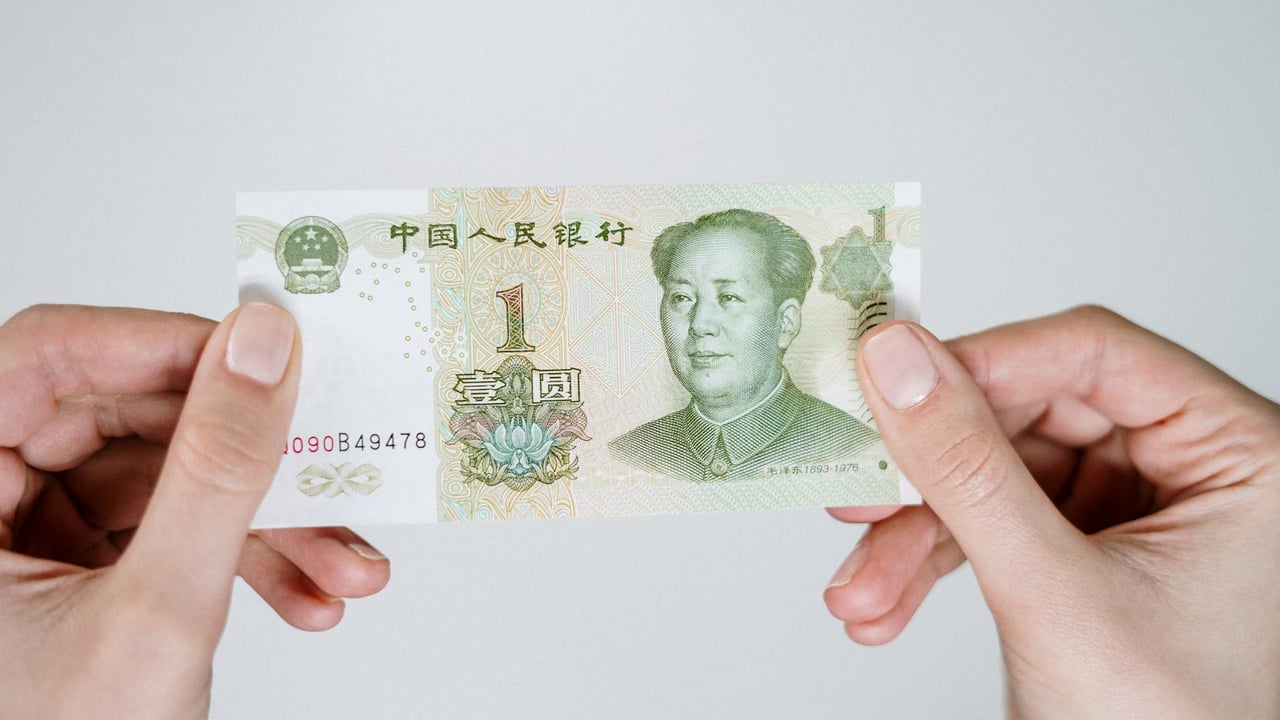

China's central bank reported a notable expansion of liquidity at the end of February: M2, the broad measure of money supply, stood at Rmb349.22 trillion, up 9% year‑on‑year. In the first two months of 2026 households and institutions added Rmb9.26 trillion of yuan deposits, while outstanding social financing—the broad stock of funding to the real economy—reached Rmb451.4 trillion, an 8.2% increase from a year earlier.
The composition of that financing reveals a mixed picture. Outstanding RMB loans to the real economy amounted to Rmb274.15 trillion, up 6.1% year‑on‑year, and two‑month net new RMB lending came in at Rmb5.61 trillion. At the same time, government bonds now account for a larger share of the financing stock (21.6%) while the share of bank loans slipped slightly. Household deposits rose sharply by Rmb5.24 trillion in the period, whereas non‑financial corporate deposits fell modestly.
Market plumbing shows ample liquidity and low short‑term rates. Interbank RMB lending averaged a weighted rate of 1.40% in February, while pledged‑repo trades yielded 1.44%; both rates remain below year‑ago levels. Turnover in interbank transactions jumped, with daily trading up about 40% year‑on‑year, underscoring how plentiful cash is finding its way into money markets.
The data also illuminate cross‑border and foreign currency dynamics. February saw Rmb1.22 trillion of cross‑border RMB settlement under current‑account items and Rmb0.5 trillion in direct investment settlement. Foreign‑currency deposits rose to $1.12 trillion, a 20.5% annual gain, pointing to active FX balances alongside growing use of the renminbi in trade and investment settlement.
Why this matters: the combination of faster money growth and big deposit inflows signals that Beijing has ensured ample liquidity to support an economy that continues to need stimulus. Yet the modest pace of credit expansion relative to money growth suggests weak credit demand in parts of the private sector, or a partial preference for safer asset holdings and government paper. The increasing share of government bonds in the funding stock reflects fiscal support and debt issuance that is soaking up some of the market's savings.
Looking ahead, the People's Bank of China appears willing to maintain a broadly accommodative stance to underpin growth and stabilise markets. That stance should help short‑term funding conditions and keep borrowing costs low, but policymakers face trade‑offs: too much liquidity for too long risks misallocation of capital and asset inflation, while too rapid withdrawal could stall a still‑fragile recovery. External pressures—global rate movements and capital flows—will also shape how Beijing calibrates policy over the rest of the year.