
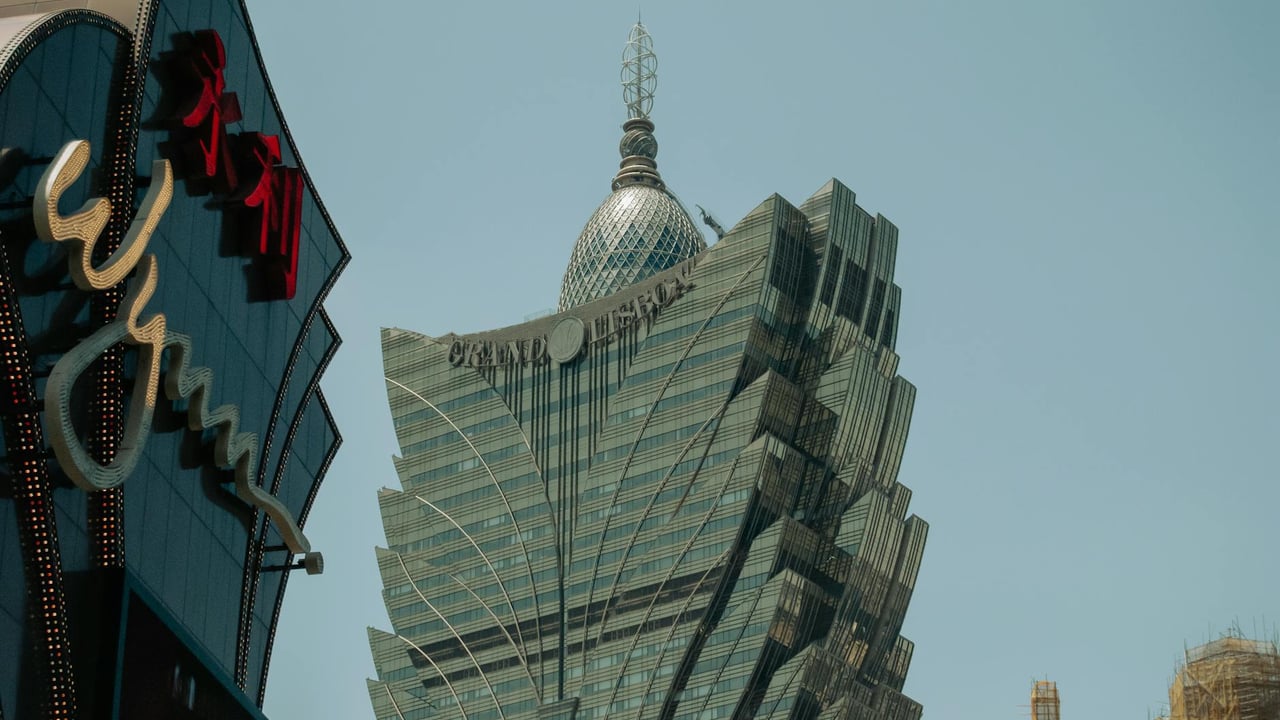

Bona Film Group’s chairman Yu Dong was thrust back into the public eye this month after Hong Kong court papers filed by Wynn Macau alleged he owed roughly HK$4.73 million tied to a credit facility. The company initially denounced online posts as false, then shifted to a measured response saying it was investigating and that, even if true, the matter was a personal one that would not affect operations; Yu remained at his post, the firm said.
Wynn’s March 3 suit in Hong Kong’s High Court says the casino extended a HK$10 million credit line to Yu in May 2024 and later sought to draw on a signed cheque to recover an unpaid balance. Court papers detail attempts in January 2026 to fill a previously blank cheque for about HK$5.73 million, a bank refusal, and a subsequent partial repayment of HK$1 million in February that left an alleged shortfall of approximately HK$4.73 million plus interest and collection costs.
Yu’s lawyer has since told Chinese media that the sums in dispute were repaid and that the litigation has been terminated; the lawyer also said the liability arose because Yu acted as guarantor for a third party. Bona’s public relations team reiterated that the affair—if confirmed—was a personal guarantee rather than a company obligation and would not impede corporate operations.
The episode landed on a company already under strain. Once the most conspicuous private studio in China thanks to blockbusters such as Wolf Warrior 2, Operation Red Sea and the 2021 juggernaut The Battle at Lake Changjin, Bona’s revenue and profits have slumped as audience appetite for state‑aligned “mainstream” cinema cools. The company has recorded cumulative net losses attributable to owners of more than RMB 2.7 billion for 2022–2025; last year alone it forecast losses of RMB 1.261–1.477 billion (roughly US$175–205 million).
That deterioration in fundamentals has coincided with governance and regulatory headaches. Yu has seen about 137 million of his shares judicially frozen for three years, and in 2024 Bona and its executives received a regulatory warning from the Xinjiang Securities Regulatory Bureau after probes found non‑operational related‑party fund flows totaling hundreds of millions of yuan. The regulator ordered rectification and issued warning letters that were added to the firm’s market integrity record.
Investors have reacted: Bona’s stock price has fallen from prior peaks above RMB 15 per share to around RMB 7.43, and its market capitalisation has contracted sharply. Management points to one‑off impairments, fewer theatrical releases in 2025 and films still in production as near‑term reasons for the poor results, but the scale and duration of losses raise questions about both strategy and balance‑sheet resilience.
The broader context matters. China’s film ecosystem is grappling with softer cinema attendance, a crowded streaming market, and growing scepticism among audiences toward overtly patriotic blockbusters. For a company whose brand and margins once depended on producing and distributing tentpole mainstream titles, the twin pressures of waning box‑office appeal and tighter capital discipline expose a vulnerability in the sector’s business model.
Whether the Wynn episode will have lasting consequences depends on two variables: verification and contagion. If the court file truly concerned a personal guarantee now repaid, the direct legal exposure to the listed company may be limited. But the reputational hit to management, the visibility of regulatory admonitions and the persistent cash‑flow holes in the P&L all make it harder for Bona to secure investor patience or favourable financing on the terms it enjoyed in the past.