Oil Tops $100 as Middle East Escalation Tests Global Markets — Trump Calls Spike a 'Very Small Price'

Oil futures briefly topped $100 per barrel after US and Israeli military action against Iran pushed a new geopolitical risk premium into markets. Former president Trump described the price spike as a "very small price" for global security, a stance that highlights the political trade‑offs behind energy market shocks.

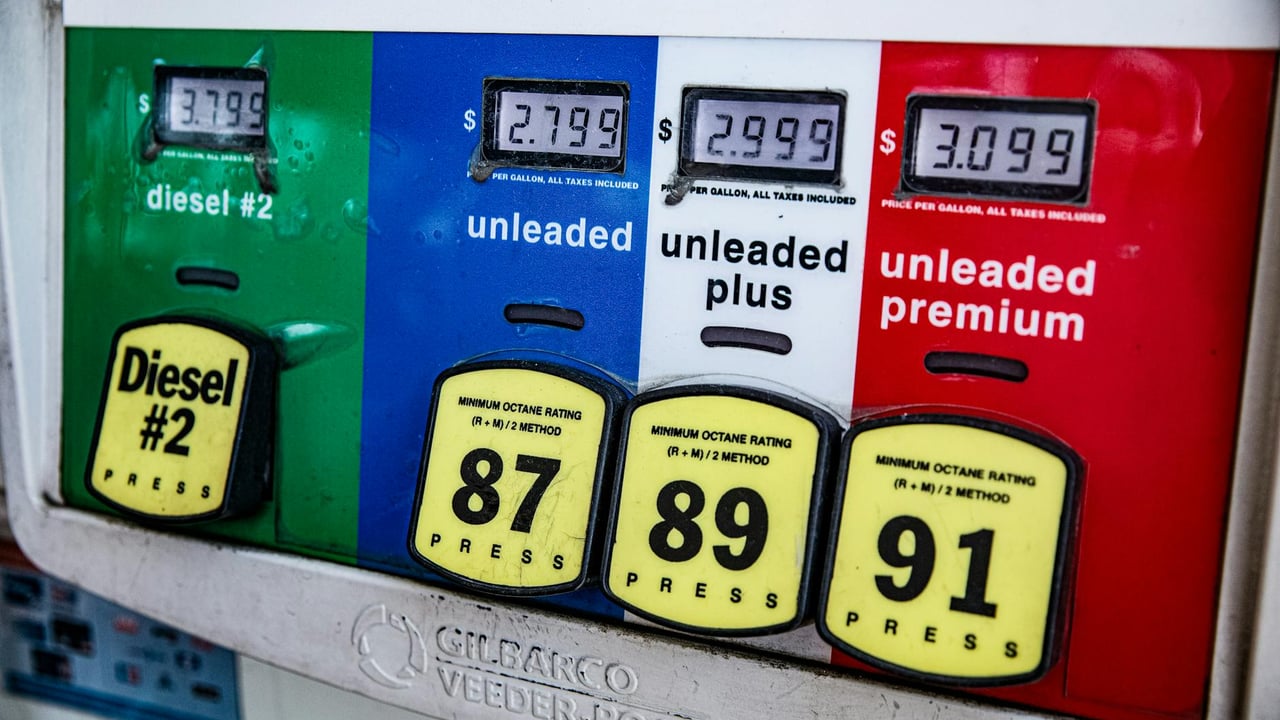
Close-up of a vintage gas pump station showing fuel prices and octane ratings in Los Angeles.

Key Takeaways

  • 1International crude futures rose above $100 per barrel on March 13, 2026, for the first time since mid‑2022 following US and Israeli military action against Iran.
  • 2Markets priced in a geopolitical risk premium amid concerns about supply disruptions in the Gulf and the Strait of Hormuz.
  • 3Donald Trump characterized the price increase as a "very small price" for US and world security, framing the political debate over costs versus strategic objectives.
  • 4Higher oil raises inflation risks and complicates central‑bank and fiscal responses, while accelerating longer‑term efforts to diversify energy sources.

Editor's
Desk

Strategic Analysis

The spike in oil prices after military action against Iran is a reminder that geopolitical shocks still matter in an era often dominated by demand narratives. A return to frequent price volatility would force governments to choose between near‑term economic pain and longer‑term strategic aims. If policymakers repeatedly accept higher energy costs as the price of military or geopolitical gambits, they risk political blowback at home and accelerating inflation abroad, especially in regions with limited fiscal room. Markets will be watching for tangible policy responses: coordinated releases from strategic reserves would calm prices quickly but could weaken deterrence signals; conversely, a hawkish posture that sustains higher risk premia could accelerate investment in supply diversification and renewables while imposing short‑run hardship on consumers and growth. The critical fault line is whether this episode becomes a transient spike or a structural reset in risk assessment for energy markets and foreign policy.

NewsWeb Editorial
Strategic Insight
NewsWeb

International crude futures surged above $100 a barrel on March 13, 2026, marking the first breach of that threshold since mid‑2022 after US and Israeli military action against Iran. Traders pushed prices higher on a fresh geopolitical risk premium, with market attention focused on possible supply disruptions through the Gulf and the Strait of Hormuz.

The jump reflects more than a short-lived shock: oil markets have been tightly balanced since the pandemic, and any threat to Middle Eastern flows quickly translates into higher prices because spare capacity and spare export routes are limited. Energy traders cited precautionary buying, widened risk premia and repositioning by funds as reasons for the rapid move, while refiners and importers scrambled to reassess inventories and delivery schedules.

In Washington, former president Donald Trump framed the spike as an acceptable cost, calling it a "very small price" to pay for American and global security and peace. That political calculus — prioritizing perceived strategic gains over near‑term economic pain for consumers — will shape domestic debates in importers such as the United States, Europe and many emerging markets where fuel inflation feeds through quickly into consumer prices.

The macro consequences are immediate: higher fuel costs feed into headline inflation, squeeze real incomes and complicate central‑bank policy at a time when many economies remain fragile. For policymakers, the trade‑off between tamping down financial markets through strategic releases of reserves and avoiding encouragement of further risky behaviour by combatants creates awkward choices.

Longer term, the episode underlines structural vulnerabilities in global energy markets. It strengthens arguments in energy‑importing countries for stockpile diversification, alternative supply routes, and accelerated investment in renewables and electrification, even as short‑term reliance on oil remains high. The key near‑term variables to watch are the trajectory of diplomatic de‑escalation, OPEC+ production decisions, possible releases from strategic petroleum reserves and the persistence of the risk premium in futures markets.

Share Article

Related Articles

📰
No related articles found