
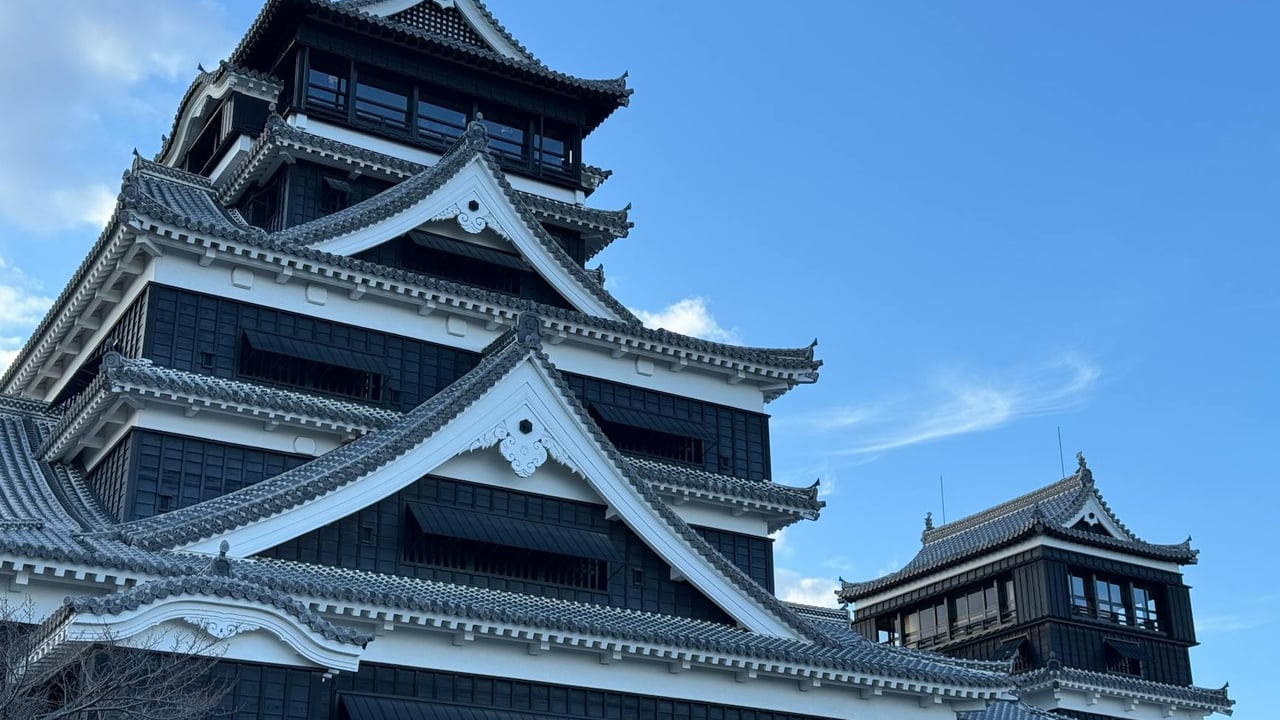

Tokyo's plan to position two types of long‑range missiles in Kumamoto Prefecture has reopened a fraught national debate over the direction of Japan's postwar military posture. The proposal, due to be implemented at the end of the month, drew sharp domestic criticism from opposition politicians who say it violates the country's pacifist constitution and the self‑defence‑only principle that has guided Tokyo's security policy for decades.
State media commentary has emphasized the operational reach of the new systems. A military commentator from China’s state broadcaster described one platform as an upgraded Type‑12 anti‑ship missile with an extended range of roughly 1,000 kilometres, intended for deployment facing Japan’s southwest and the Nansei (southwestern) island chain. That capability, he noted, would allow strikes not only on moving naval targets at sea but on fixed ground and island targets as well.
The second system identified in domestic coverage is characterised as a vehicle‑mounted, twin‑tube high‑speed glide weapon for island defence — effectively a hypersonic glide delivery. Chinese commentary framed the weapon as a dual‑use “island defence” system that nonetheless represents a step toward offensive, long‑reach strike capabilities, and argued the underlying technology is not necessarily at the cutting edge of global hypersonic development.
Beyond the technical descriptions, the controversy highlights a larger political and strategic shift in Tokyo. For decades Japan’s ground, sea and air forces have been configured to block attacks on the homeland rather than to project power. Deploying weapons with 1,000 km reach or hypersonic glide vehicles signals a move toward pre‑emptive strike and denial options that can complicate crisis dynamics across the East China Sea, and potentially extend operational reach toward Taiwan’s periphery.
The domestic political reaction is predictable: critics within Japan, such as the Social Democratic Party leader who has said the deployments breach constitutional limits, frame the move as a break with the postwar consensus. Supporters in government argue these capabilities are necessary to deter increasingly capable North Korean missile forces and to respond to a more assertive China, while strengthening interoperability with the United States.
Regionally, the decision will be read as consequential. Beijing is likely to characterise the deployments as destabilising and a direct threat to regional stability, and Tokyo’s neighbours may feel pressure to respond in kind. At the same time, the practical effect of these systems depends on operational doctrine, command arrangements with the United States, and the political will in Tokyo to employ long‑reach weapons in crises — factors that remain uncertain.
What is clear is that Japan is continuing a steady, deliberate expansion of its military toolkit. Whether framed in Tokyo as defensive deterrence or, by critics, as an erosion of pacifist constraints, the deployments add a new layer of capability that will alter calculations in East Asian security circles and complicate crisis management between major regional actors.