
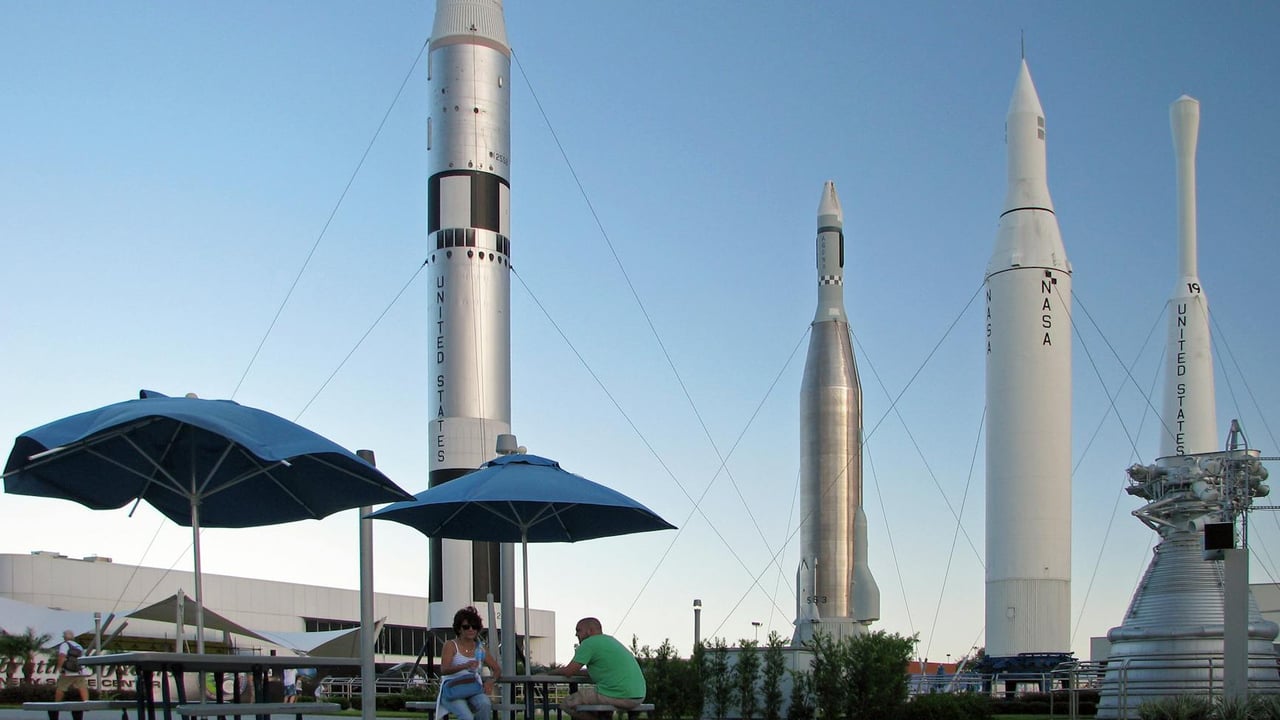

A domestically produced reusable rocket was unveiled at the first Shanghai Commercial Space Conference and Exhibition, held from March 12–14, 2026 at the Shanghai New International Expo Center. The event occupied 15,000 square metres and drew roughly 300 exhibitors, underscoring the rapid consolidation of China’s commercial space ecosystem into a visible market showcase.
The on‑site appearance of a reusable launcher — displayed alongside satellite platforms, propulsion suppliers and downstream service providers — marks a symbolic shift from laboratory prototypes to marketable products. Reusability has become the defining technical frontier in lowering per‑launch costs and increasing cadence, a dynamic that has reshaped global launch economics over the past decade.
Shanghai’s decision to host a dedicated commercial space expo signals a regional effort to position the city as a hub for private space ventures, suppliers and venture capital. The scale of exhibitors and the concentration of hardware and services at the show reflect growing momentum among domestic firms and research institutions to commercialise capabilities once confined to state programmes.
China’s commercial space sector has been expanding under a mix of market incentives and state guidance. Since policy shifts a few years ago opened parts of the launch chain to private players, a proliferation of small and medium launch‑vehicle projects has produced a crowded field pursuing different technical approaches. Reusable architectures present both an opportunity and a technical challenge for these newcomers, requiring investment in recovery systems, refurbishment processes and flight‑proven reliability.
For satellite operators and downstream customers, a credible domestic reusable launcher could translate into lower prices and more flexible launch windows, supporting growth in constellations, Earth observation and communications services. Domestic supply chains — from carbon‑composite structures to avionics and ground‑station services — stand to benefit as manufacturers scale production and standardise components for repeat flights.
The strategic implications extend beyond commerce. Reusable launchers expand persistent access to space, a capability with dual civilian and military utility. As China advances these technologies, foreign buyers and regulators will watch closely for export controls, certification regimes and the boundaries between civilian commercialisation and national security concerns.
Looking ahead, the key markers to watch will be demonstration flights, proven turnaround times between missions, and the emergence of standardised refurbishment practices that cut operating costs. If domestic teams can translate hardware demonstrations into reliable, competitively priced services, China’s commercial launch market could accelerate, reshaping regional options for satellite deployment and intensifying competition in the global launch industry.