
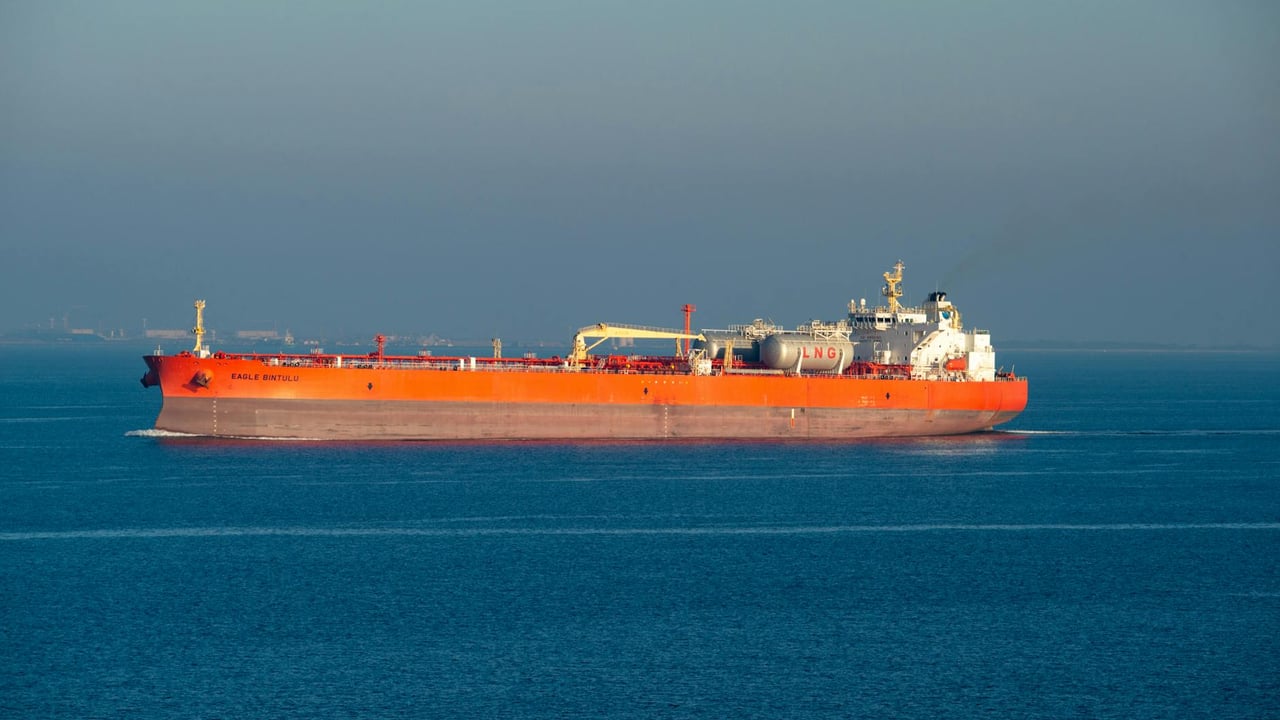

A brief, sharp escalation in the fighting between the United States, Israel and Iran has pushed the narrow Strait of Hormuz to the centre of a global energy crisis. Attacks on merchant shipping in the waterway and public threats by senior Iranian Revolutionary Guard advisers have transformed a regional clash into a systemic test of global oil flows and market confidence.
On March 11 a Thai freighter was struck in the Hormuz corridor; twenty crew members were rescued and moved to Oman. The incident followed other assaults on commercial vessels and a stark warning from an IRGC senior adviser that anyone attempting to transit the strait would see their ships "burned to ashes," signalling that civilian shipping is now in the line of fire.
The strait matters because so much of the world’s liquid fuel passes through it. Sea-borne shipments moving through Hormuz account for roughly a quarter of crude exports and significant flows of LNG and fertiliser feedstocks. With global oil consumption running at just over 100 million barrels per day, production cuts announced by Saudi Arabia, Iraq, the United Arab Emirates and Kuwait have together trimmed output by about 6.7 million barrels per day — roughly 6% of global supply — intensifying supply anxieties.
Financial markets reacted violently. Brent crude spiked toward $120 per barrel on March 9 before falling and then surging again above $100 after further jitters; West Texas Intermediate traded in a similar, volatile range, hitting about $93 after brief swings. In response to the shock, the International Energy Agency’s 32 member states agreed to release 400 million barrels from strategic stocks, the largest coordinated release in its history, while the United States said it would tap its own Strategic Petroleum Reserve.
The emergency drawdown, however, did not stabilise sentiment. Oil rallied after the announcement and markets were buffeted by mixed signals from Washington — from presidential assurances that disruptions would be temporary to an Energy Department social-media post claiming US naval escorts had safely shepherded tankers through Hormuz, a message later deleted and corrected by officials. The episode underscored how quickly information, misstatements and deliberate messaging can amplify price swings.
Chinese Middle East specialist Tian Wenlin told Chinese media that the failure of 'release' policies to calm prices reflects the deeper fact that four forces now govern oil: macro fundamentals, supply and demand, geopolitics and financial speculation. The current crisis has pushed the geopolitical vector to the fore while demand prospects remain fragile, creating a high-stakes balancing act: prices can rise to a level that threatens global growth, in turn undermining future oil demand and eventually dampening prices.
Industry voices and Gulf producers privately warn the disruption is unusually grave. Saudi Aramco’s chief executive warned that prolonged interference with shipping would be "catastrophic" for markets, a rare public alarm from the producer side. The combination of physical risk to tankers, higher insurance and rerouting costs, and potential longer-term shifts in trading patterns has put energy-importing and exporting states on a new footing.
Tehran responded diplomatically and rhetorically. The Islamic Revolutionary Guard floated a proposal that Arab and European governments could regain freedom of passage only by expelling US and Israeli diplomats, while Iran’s president outlined three conditions for ending hostilities: recognition of Iranian rights, war reparations and international guarantees against future aggression. Those demands signal Tehran is seeking to translate military pressure into diplomatic leverage.
The immediate outlook is fraught. If Hormuz remains effectively contested, markets should expect sustained volatility, elevated insurance and freight rates, and accelerated efforts by large consumers to diversify supply routes and energy sources. The coordinated release by the IEA is an important short-term liquidity measure, but it cannot substitute for a political resolution; the episode will likely harden moves toward energy diversification and renewables in consuming states and sharpen the long-term challenge to hydrocarbon-dependent exporters.