
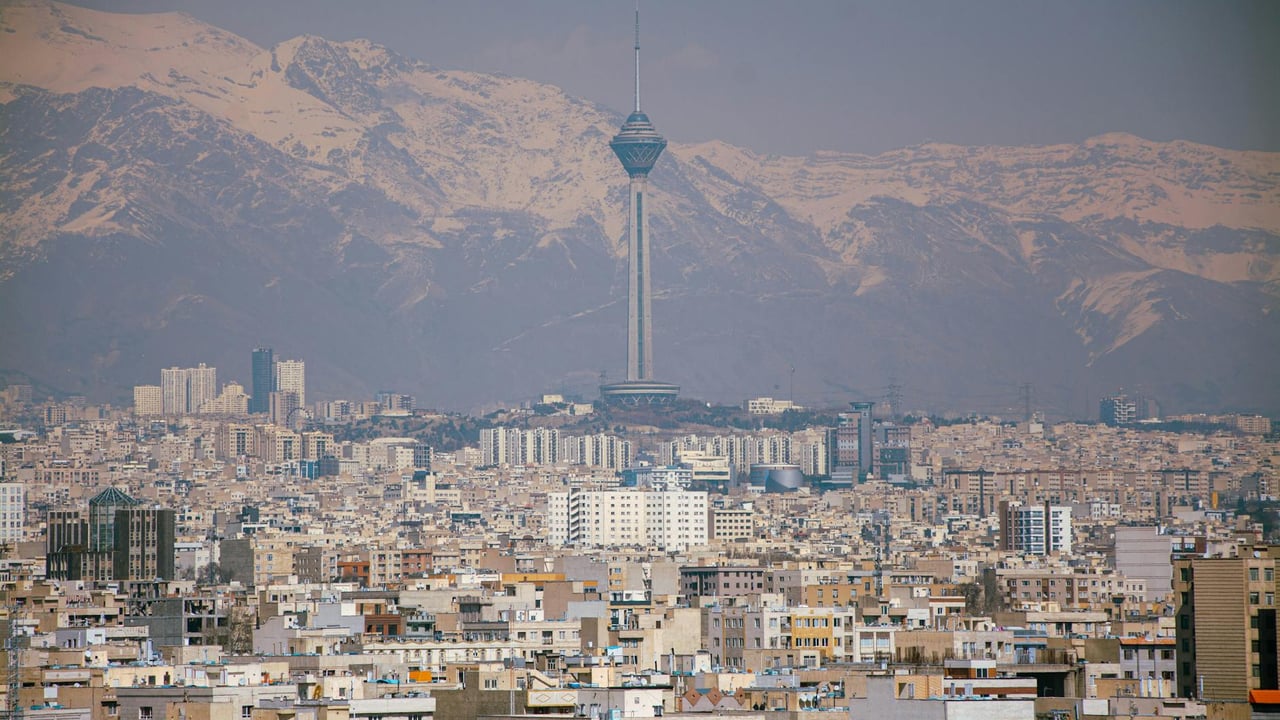

Explosions rocked parts of Tehran on 13 March as thousands of people converged on the capital’s central square for a state‑backed pro‑Palestine demonstration. Witnesses described flames, thick smoke and deep detonations near the march route; local media later confirmed at least two fatalities in an airstrike close to the rally corridor.
Organisers and participants pressed on. Crowds filled the streets, waving Iranian flags and holding up portraits of the late Supreme Leader Ali Khamenei alongside images of Mojtaba Khamenei, presented at the rally as the new leadership figure. Chants against the United States and Israel echoed through the marches as municipal officials, including Tehran’s mayor Alireza Zakani, addressed the crowd and framed the event as a defence of regional dignity against global hegemony.
Rally participants told state media and visiting reporters that attacks from the United States and Israel only hardened their resolve. One marcher said the bombing would not prevent them from appearing “on the battlefield”; another noted higher turnout compared with previous years and described participation as a civic duty. Journalists had been warned to exercise caution, but the procession continued despite visible smoke and the risk of further strikes.
Iranian outlets and officials also repeated allegations about a 28 February strike in southern Iran that they say killed scores of schoolchildren in Minab; those claims have been emphasised in state coverage to inflame public sentiment and justify retaliatory rhetoric. The government’s emphasis on civilian casualties and martyrdom underpins a narrative of external aggression that the authorities are using to consolidate domestic unity and delegitimise their adversaries.
The public display matters for more than optics. In staging a large, defiant demonstration under the threat of bombardment, Tehran signals both resilience to domestic audiences and a recalibrated posture to regional rivals. Municipal and national leaders used the platform to link the protest to the 1979 revolution’s rejection of “global domination,” presenting current tensions with the United States and Israel as part of a long historical struggle.
For international observers the event sharpens a set of immediate risks. Repeated strikes in or near civilian areas raise the probability of escalation and deepen humanitarian concerns, while Tehran’s use of imagery and narrative to elevate figures such as Mojtaba Khamenei suggests a parallel political project: managing succession and shoring up regime legitimacy through nationalist and religious symbolism.
The rally therefore operates on two levels at once: as a statement of public defiance and as carefully choreographed messaging by the Iranian state. How Washington, Jerusalem and regional capitals respond in the coming days will determine whether the demonstration is a soaked spark or a fuse toward wider confrontation, and whether domestic solidarity translates into sustained policy leverage for Tehran.