
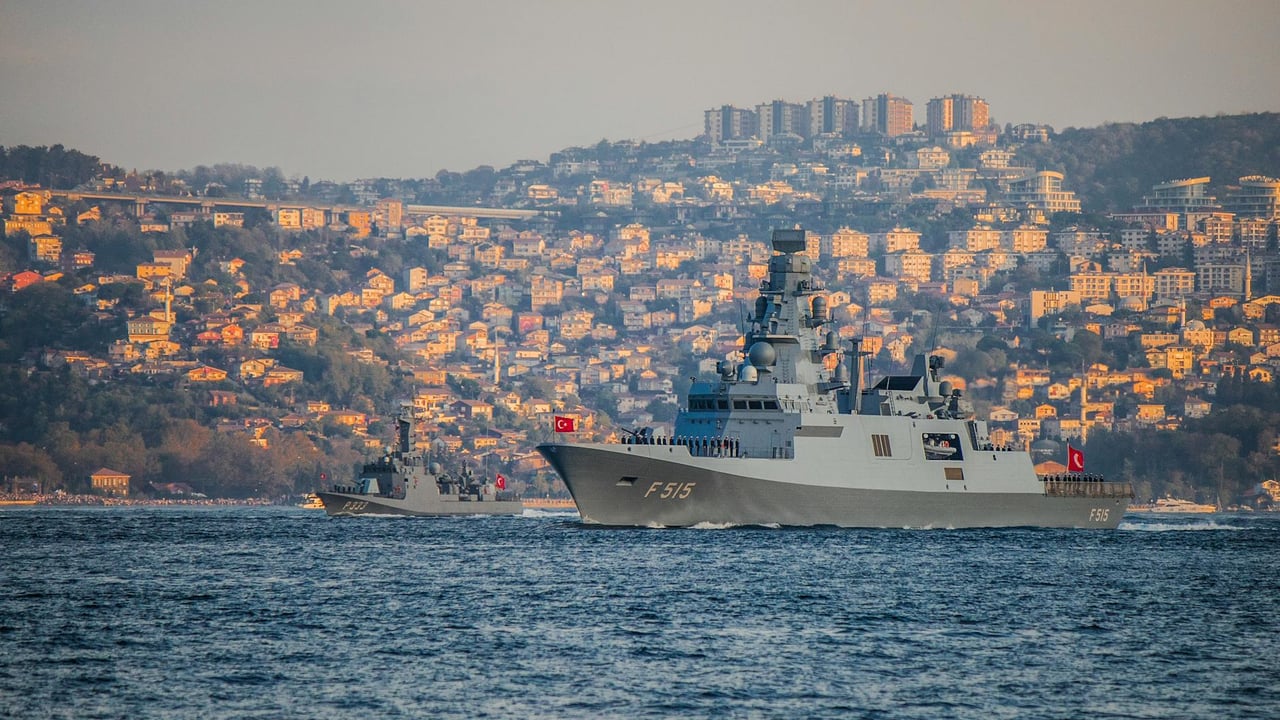

The global marine artery through the Strait of Hormuz has all but stopped flowing. Between March 1 and March 14, only 77 vessels transited the strait, a collapse from 1,229 ships in the comparable period last year, according to shipping intelligence cited by international agencies. The dramatic fall follows large-scale strikes on Iran by the United States and Israel on February 28 and a rapid escalation of attacks and incidents in and around the waterway.
Analysts say the vessels still making the passage are overwhelmingly old, poorly maintained ships with unclear ownership and little or no insurance — part of a so-called "shadow fleet" that operators deploy to avoid Western sanctions and scrutiny. The British shipping intelligence provider noted that many of these vessels have minimal documentation and sporadic electronic identification, complicating risk assessments and rescue or legal responses if they are attacked or suffer casualties.
The risk to commercial shipping is not hypothetical. Maritime trade officials have recorded roughly 20 commercial incidents in the Hormuz region since early March, including nine attacks on tankers. A Thai freighter was filmed ablaze after an assault on March 11, underscoring how quickly a regional military clash can spill into civilian maritime traffic. News agencies monitoring Automatic Identification System (AIS) signals count far fewer transits than usual, and that tally excludes ships which switch off transponders to evade tracking.
Tehran has signalled it will not back down. Iran’s newly installed supreme leader, Mojtaba Khamenei, said his country would pursue revenge and continue to block the strait, even as Tehran’s foreign ministry suggested some nations’ vessels may be allowed through. Washington, for its part, has offered conflicting signals: President Donald Trump told reporters on March 13 that the US Navy would soon escort tankers through Hormuz, yet several commercial operators say requests for US protection have recently been turned down as too risky.
The choke point matters because the Strait of Hormuz carries a substantial share of the world's seaborne oil and liquefied natural gas. Disruption raises the prospect of renewed spikes in energy prices, higher insurance premiums and longer shipping times as tankers reroute around Africa’s Cape of Good Hope. Costs will be passed through to refiners, traders and ultimately consumers, tightening global markets already sensitive to geopolitical shocks.
Beyond immediate market effects, the situation exposes broader strategic and regulatory dilemmas. A proliferation of shadow tonnage complicates sanctions enforcement, obscures liability in incidents and increases the burden on navies choosing whether to escort commercial shipping. Multinational escorts, tighter port-state checks, and expanded sanctions-busting investigations are possible responses, but each carries risks of escalation or unintended commercial consequences.
If the current standoff endures, the shipping industry faces a costly reconfiguration: higher insurance premiums, a sustained diversion of trade routes, and accelerating investment in alternate infrastructure and strategic stockpiles. For governments, the choice will be whether to try to militarily secure a vital waterway at the risk of widening conflict, to negotiate a diplomatic de-escalation, or to accept a long-term fragmentation of global energy routes — each option with consequential geopolitical and economic trade-offs.