
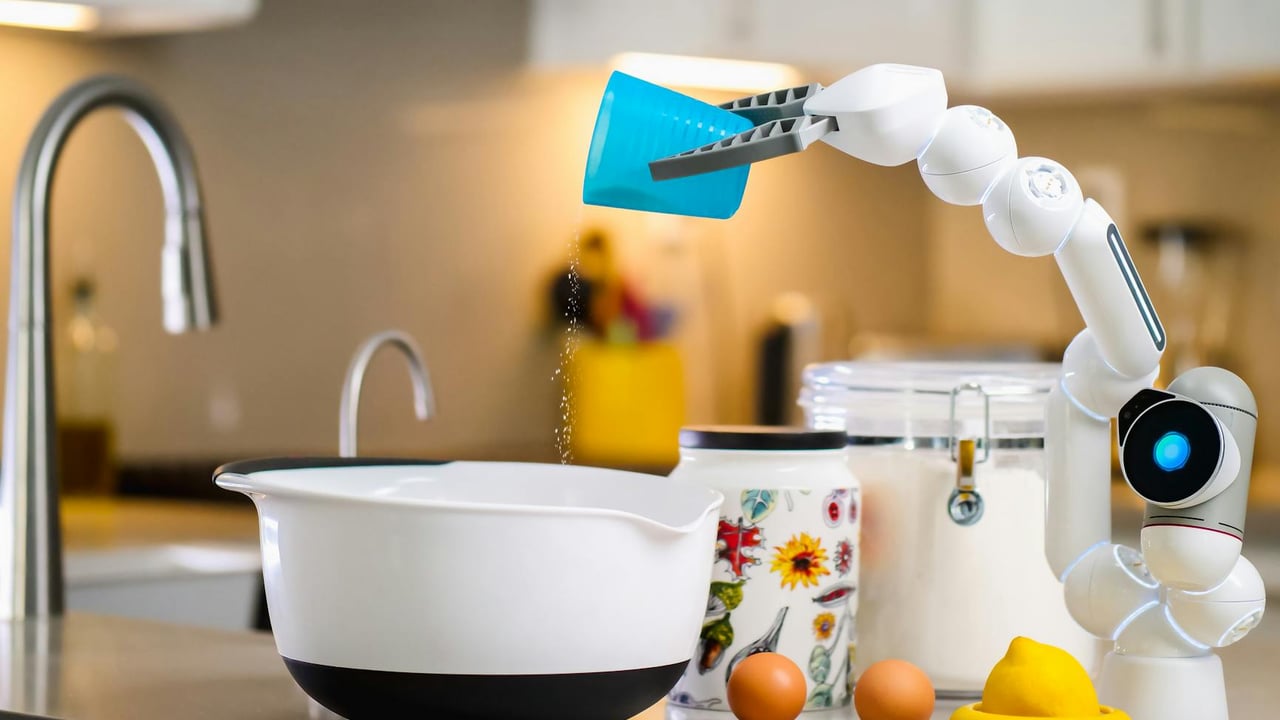

More than 100,000 visitors swarmed the Appliance & Electronics World Expo (AWE) this year, turning what was once a trade show for white goods into a street‑level spectacle of AI, robotics and even high‑end luxury gadgets. Exhibitors ranged from traditional appliance giants to nimble robotics start‑ups, and the most conspicuous theme was cross‑industry expansion: home‑appliance firms pushing into full‑house AI systems while newcomers paraded aspirational, six‑figure yuan devices alongside vacuum cleaners and kitchen ranges.
The diversity on show was striking. Incumbents such as Haier, Hisense and Midea spotlighted increasingly autonomous appliances that claim to do chores without human intervention, while companies originally known for robot vacuums and small home robots showcased broader smart‑home ambitions. Equally notable were booths promoting ultra‑premium smartphones priced at roughly RMB100,000 — an extreme example of premiumisation that grabbed headlines and crowds alike.
This mash‑up of categories reflects two forces driving Chinese consumer technology today: first, the rapid diffusion of generative AI and embedded sensing, which makes intelligent behaviour feasible across products; and second, the search for higher margins and brand elevation amid slowing hardware volumes. Appliance makers are packaging screens, AI agents and subscription services to keep consumers within their ecosystems. Start‑ups are using robotics and AI as beachheads from which to expand into adjacent, higher‑value segments.
The result is an expo that felt less like a catalogue of stand‑alone devices and more like a staging ground for competing visions of the home of the future. Companies emphasised integrated experiences — devices that coordinate, anticipate and monetise tasks — rather than single‑item performance. That shift elevates software, data flows and after‑sales services, changing where profit pools will sit in the coming decade.
For international observers and competitors, the show matters because it demonstrates how quickly hardware incumbents in China are re‑configuring business models. Where once margins were thin and brands competed mainly on price and reliability, the combination of AI features, subscription services and luxury positioning opens new routes to profitability and international expansion. It also raises new questions about interoperability, data governance and the pace of consolidation in the sector.
There are risks. Brand stretching into luxury phones invites scrutiny over credentials and customer trust; building cohesive ecosystems requires software and cloud competence many appliance firms are still developing; and aggressive moves into AI‑driven services could attract tighter regulation on data privacy and consumer protection. Still, AWE 2026 made clear that China’s consumer‑tech players are betting the next growth wave will be earned not by selling more refrigerators, but by selling richer, software‑layered lifestyles.