

Iran’s Islamic Revolutionary Guard Corps says its “Real Promise‑4” campaign has reached a 46th round, deploying heavy and extra‑heavy missiles against what Tehran calls American and Israeli command targets across the region. The IRGC claimed to have struck ten concealed sites inside Israel and three sites used by US forces — naming Saudi Arabia’s Prince Sultan airbase, Camp Victoria in Iraq and the Erbil base — casting the campaign as direct retaliation against enemy command nodes.
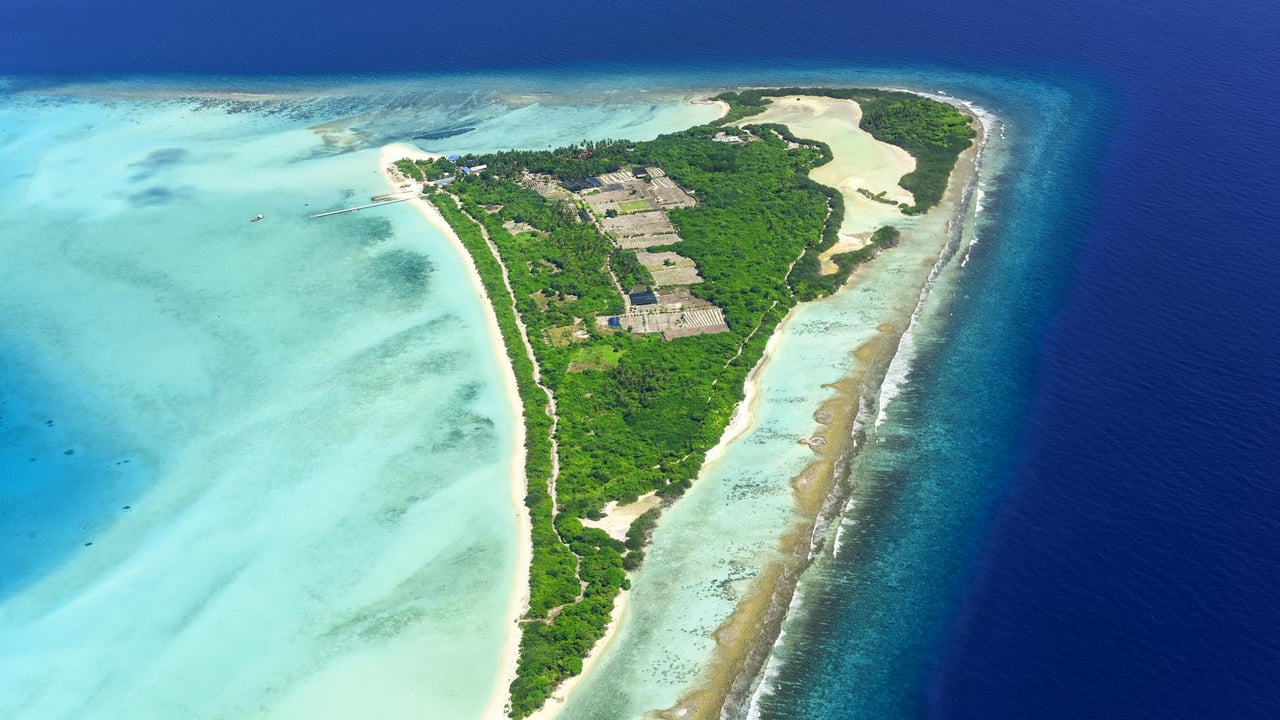
In the early hours of March 13, President Donald Trump announced a US airstrike on Khark Island, Iran’s principal oil export terminal, saying military targets were ‘‘thoroughly destroyed’’ while oil facilities were spared. At the same time he warned Iran that any interference with shipping through the Strait of Hormuz would prompt reconsideration of strikes on the island’s energy infrastructure, urging commercial vessels to transit the waterway despite Tehran’s threats.
The Washington–Tel Aviv relationship is showing cracks. Israel’s prime minister has taken an overtly hawkish line, threatening covert action against Iranian leaders and promising ‘‘many surprises’’ and forceful strikes. By contrast, the US White House is displaying signs of caution: public opinion has soured on the conflict, recent mishaps and damage to US assets have eroded domestic confidence, and political pressures are pushing the president to seek an exit rather than an escalation.
Khark Island is not a symbolic target. It handles the bulk of Iran’s seaborne oil exports, with output flows regularly cited in the 1.3–1.6 million barrels‑per‑day range and storage and pipeline links that tie it directly to Iran’s core fields. Oil receipts account for roughly half of Tehran’s fiscal revenue; damage to Khark would therefore be both an economic hammer blow and a provocation calculated to force a severe Iranian response.
Tehran has signalled that such a provocation would break its restraint. Iranian leaders have warned that attacks on Gulf islands would trigger ‘‘all‑out’’ retaliation, and they can call on a suite of proxy forces and weaponry — from Houthi missiles and naval strikes in the Red Sea to Shiite militias in Iraq, and Iran’s own missile and drone arsenals — to threaten neighbouring oil infrastructure. The result could be a campaign aimed at Gulf energy chokepoints and facilities rather than a narrow bilateral tit‑for‑tat.
The wider strategic picture is volatile and ambiguous. US defence reporting indicates preparations to reinforce the region, including the dispatch of several warships and some 5,000 Marines, while Israeli rhetoric suggests a willingness to pursue more direct pressure on Iran. Whether the temporary restraint shown by sparing petroleum installations is a real concession or a bargaining chip for tougher demands remains the central unanswered question — but any miscalculation could rapidly widen the theatre of conflict and transmit a severe shock through global energy markets.