
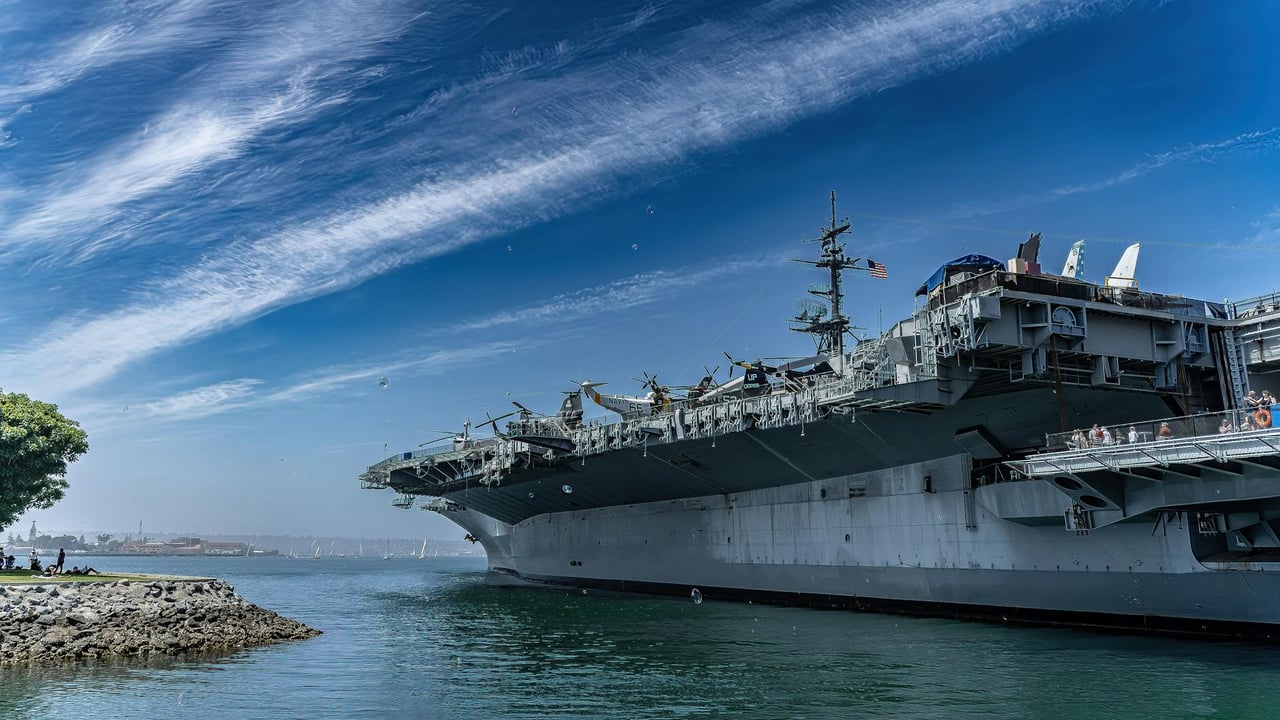

On March 12, U.S. Central Command announced that the aircraft carrier USS Gerald R. Ford experienced a fire in a laundry compartment while operating in the Red Sea. The service said the blaze was contained, the ship's propulsion systems were undamaged and the carrier remained fully operational. Two sailors were treated for injuries, and the command described the incident as unrelated to combat operations.
The Ford, the lead ship of the Navy's newest carrier class, was reported to be participating in operations directed at Iran when the event occurred. The quick containment and continued operational status suggest the crew followed established damage-control procedures, and the limited number of injuries points to a localized mishap rather than structural or engineering failure. U.S. Central Command released the brief statement via social media rather than giving a formal press conference.
The episode matters beyond the immediate safety and well-being of crew because of the Ford's symbolic and material significance. Gerald R. Ford is the centerpiece of a multibillion-dollar program that has faced cost overruns and technical teething problems since inception; any incident on board draws scrutiny over maintenance, training and the resilience of complex systems under operational pressure. A fire, even in a non-critical space like a laundry, raises questions about shipboard risk management and the ability to sustain a high-tempo mission in a tense region.
Strategically, the carrier's presence in the Red Sea is part of a broader posture intended to deter Iranian action and reassure partners reliant on safe passage through key maritime routes. That posture depends not only on the physical availability of major platforms but on public confidence in their reliability. An incident framed as minor by U.S. authorities may have an outsized effect on regional perceptions and provide adversaries or rivals a talking point about U.S. readiness.
What to watch next is straightforward: official follow-up on the fire's cause, any internal investigation findings, and whether the Navy adjusts operational patterns or maintenance inspections for Ford-class ships. For now, the most consequential takeaway is that the carrier remained mission-capable, but the episode underscores how even small accidents can ripple through operational planning, domestic politics and international messaging when they involve high-profile assets.